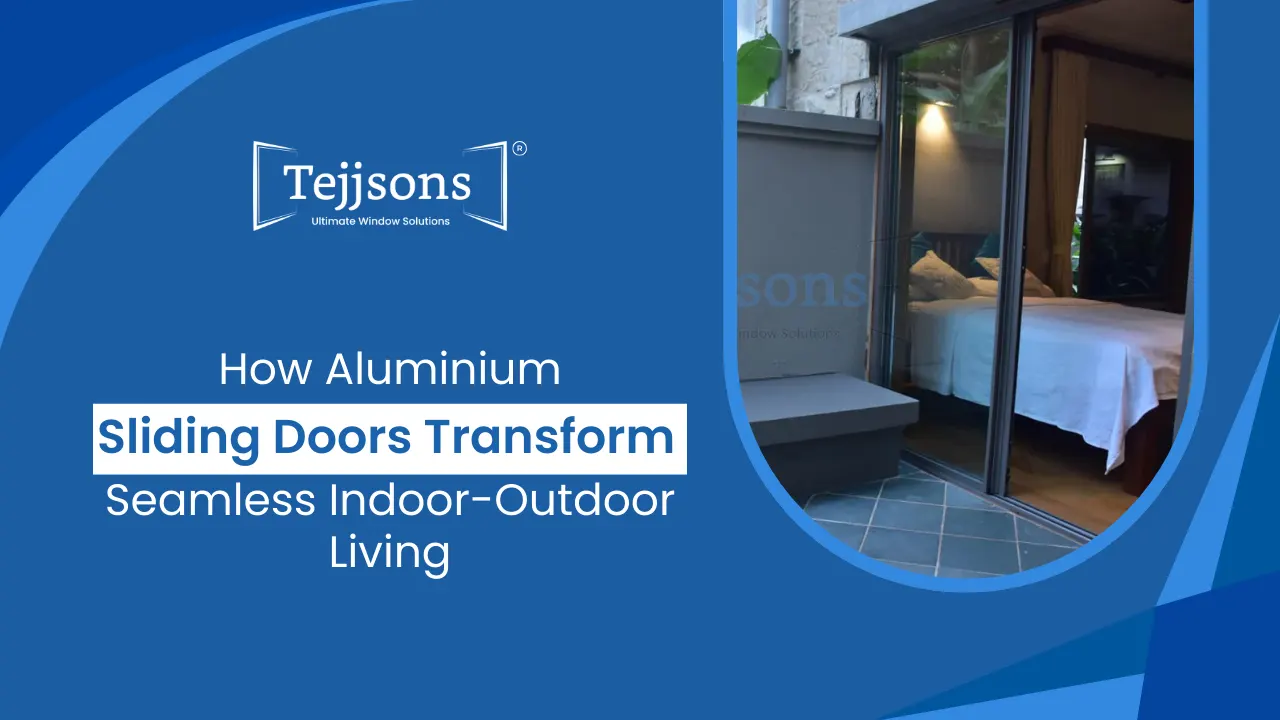
Homes today are designed around openness. Clients want fewer walls, more light, and a strong connection between indoor comfort and outdoor space. This is exactly where aluminium sliding doors change the experience of a home or commercial project. They open up living rooms to gardens, terraces to lounges, and hospitality spaces to landscapes without visual breaks.
At Tejjsons, we have seen how modern aluminium sliding doors reshape the way architects plan villas, resorts, and premium residences. The shift is clear. Large openings, minimal frames, and smooth gliding panels now replace heavy hinged doors. With well-engineered aluminium sliding door systems, spaces feel larger and more fluid. The transition between inside and outside feels natural and effortless.
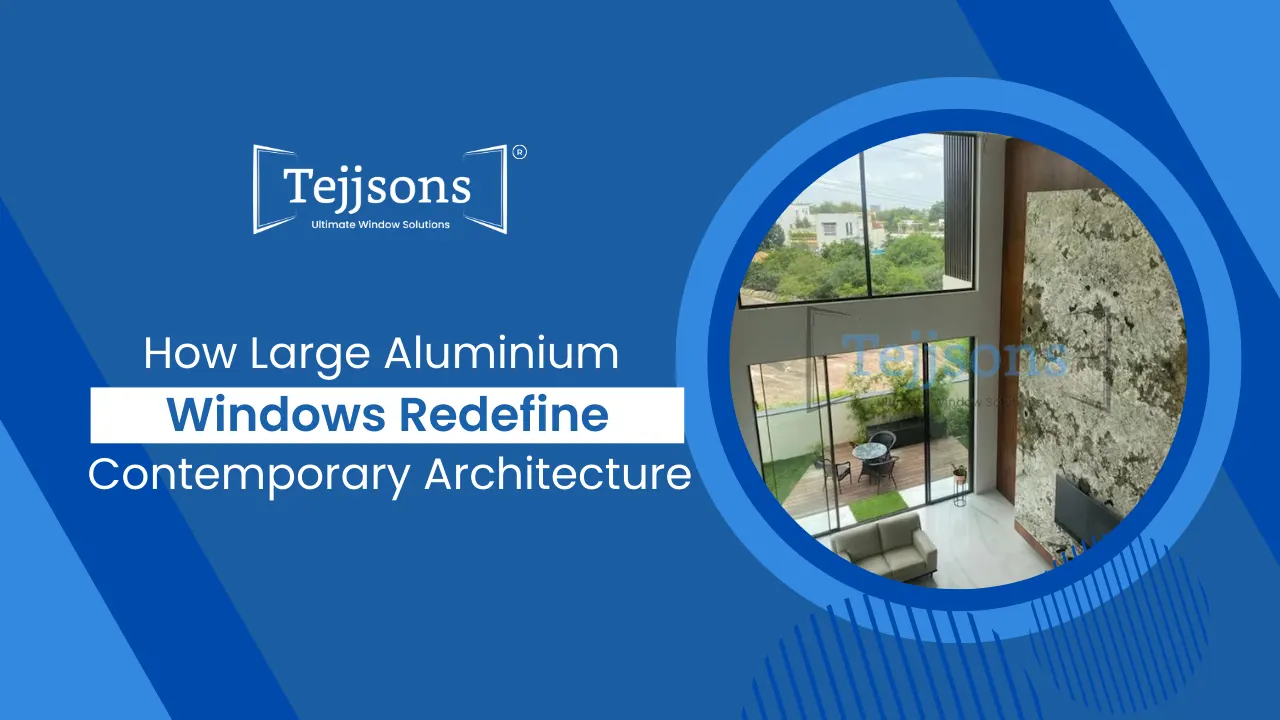
Many architects now prefer refined aluminium patio sliding doors for projects that demand panoramic views and clean elevations. These systems are no longer treated as simple manual sliding glass doors. They are architectural elements that influence ventilation, lighting, façade design, and daily comfort. When designed correctly, large aluminium doors create wide openings without compromising structural strength or performance.
In this article, we break down how aluminium sliding doors improve indoor-outdoor living, and why the benefits of aluminium sliding doors go far beyond appearance.
Key Takeaways
- Aluminium sliding doors create fluid indoor and outdoor connections that improve spatial flow and natural light.
- Proper door system selection depends on structural strength, glazing choice, hardware quality, and installation precision.
- High-quality aluminium doors last 30 to 40 years and can extend beyond that with correct fabrication and maintenance.
- Performance-driven manufacturing and technical planning define long-term durability and smooth daily operation.
Table of Contents
10 Key Ways Aluminium Sliding Doors Transform Indoor and Outdoor Living
The way a space connects to the outdoors defines how it feels every single day. Architects today plan homes around openness, flow, and movement. Clients want living rooms that extend into gardens and dining spaces that merge with terraces. This shift in design thinking has made aluminium sliding doors central to modern planning.
They remove heavy visual breaks and replace them with wide glazed openings that feel calm and intentional. When planned correctly, these systems change how people use space, entertain guests, and experience natural surroundings.
Below are ten practical ways these systems reshape indoor and outdoor living in real projects.
1. Seamless Transition Between Indoor and Outdoor Spaces
A well-designed opening should not feel like a barrier. With precision-engineered motorised aluminium sliding door systems, the boundary between inside and outside feels continuous. Large glass panels slide neatly along the track and create a broad passage that connects living areas to decks, pools, or landscaped gardens. The floor alignment can be planned carefully so movement feels smooth and natural.
Architects value this continuity because it supports open plan layouts and encourages fluid circulation during gatherings or daily routines. This is one of the strongest ways how aluminium sliding doors improve indoor-outdoor living in premium homes and hospitality spaces.
2. Wide Access to Natural Light
Natural light changes the mood of a space more than any interior finish. Large glazed openings in modern aluminium sliding doors allow sunlight to travel deep into interiors throughout the day. Slim aluminium door frames maximise the visible glass area, which helps reduce the need for artificial lighting during the day. In villas and high-rise residences, this design approach creates bright living rooms and visually larger interiors. Controlled daylight also supports healthier indoor environments.
Many architects choose large aluminium sliding doors specifically to increase light penetration while maintaining structural strength and stability.
3. Easy Operation and Space Saving
In projects where space planning matters, door swing clearance often becomes a limitation. Traditional hinged doors require extra movement space, which affects furniture layout and circulation zones. Smooth gliding sliding door systems solve this issue. The panels move along a fixed track without intruding into the usable floor area. Even wide openings remain practical to operate when fitted with high-quality rollers and precision tracks.
In compact apartments or large luxury homes, this ease of movement supports efficient design. Many clients also appreciate how aluminium patio sliding doors operate quietly and feel balanced during daily use.
4. Improved Security and Safety
Security is a serious concern in residential and commercial projects. Modern aluminium sliding doors are designed with multi-point locking systems and strong aluminium profiles that resist forced entry. Toughened or laminated glass options further increase safety. The frame strength, combined with quality hardware, provides confidence without compromising appearance.
For ground-floor villas and hospitality spaces, reinforced aluminium patio doors add protection while maintaining openness. Architects and developers often prioritize these features when specifying contemporary sliding doors in high-value properties.
5. Ventilation and Fresh Air
Comfortable ventilation improves indoor comfort in warm climates. Wide opening sliding glass doors create generous airflow paths when partially or fully opened. This supports cross ventilation when paired with windows placed strategically across the floor plan. Adjustable panel positions give occupants control over how much air enters the space.
In coastal or garden-facing homes, custom aluminium sliding doors help balance airflow with structural stability. Proper ventilation design contributes to healthier interiors and supports everyday comfort in both residential and hospitality settings.
6. Modern Design and Refined Curb Appeal
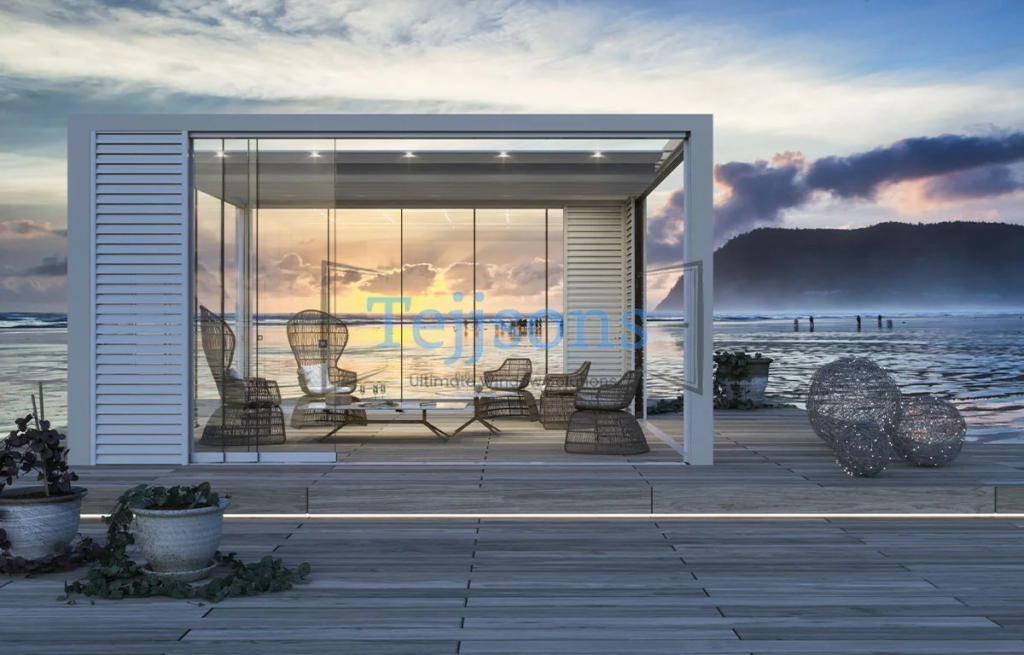
Clean lines define contemporary architecture. Slim-framed modern aluminium sliding doors support this design language with sharp profiles and large glass surfaces. From the exterior, they create strong horizontal or vertical compositions that make façades look structured and elegant. From the inside, they frame outdoor views like moving artwork.
Architects prefer these systems when they want a minimalist look without bulky frames interrupting sightlines. The finish options, from subtle matte tones to bold metallic shades, help align the doors with the overall material palette of the building.
7. Flexible Functionality
Every project has different spatial demands. Some homes require wide terrace openings. Others need corner openings or hidden tracks. In well-engineered sliding door designs, configurations can be adjusted to match layout needs. Multi-panel designs, fixed and sliding combinations, and even pocket sliding doors can be integrated based on structural planning.
This flexibility gives architects control over movement patterns and furniture placement. In premium projects, tailored custom aluminium sliding doors help maintain design consistency across living rooms, bedrooms, and transitional spaces.
8. Better Lifestyle
When indoor and outdoor areas connect naturally, daily life feels more relaxed. Families can move from living rooms to gardens without obstruction. Hospitality spaces can host larger gatherings with fluid circulation. Wide aluminium patio sliding doors support social interaction by removing rigid separation between spaces. In urban homes, even a balcony can feel like an extension of the interior.
Over time, homeowners recognise that the real value of aluminium sliding doors lies in how they shape everyday routines and create a more open living environment.
9. Expansive and Unobstructed Views
Large glass panels create uninterrupted sightlines that change how a space is experienced. In hillside villas, beachfront homes, or landscaped properties, wide glazed spans frame the surroundings clearly. Strong aluminium profiles support large aluminium sliding doors without bulky visual interruptions. This balance between strength and slimness keeps views open while maintaining stability.
Compared to traditional aluminium casement doors, contemporary sliding doors feel lighter and visually quieter. The result is a strong connection to outdoor scenery that becomes part of the interior experience.
10. Durability and Low Maintenance
Aluminium performs well in varied climatic conditions. It resists corrosion, does not warp like wood, and maintains structural stability over long periods. Properly finished aluminium patio doors retain their surface quality even in humid or coastal regions. The hardware components in high-grade sliding door systems are built for repeated daily movement without losing smooth operation.
Cleaning is straightforward, and routine inspection keeps performance consistent. For developers and homeowners seeking long-term value, this durability makes aluminium sliding doors a reliable architectural choice.
You May Also Read: Bifold vs Sliding Doors: Which One is Right For You?
Energy Efficiency of Aluminium Sliding Doors
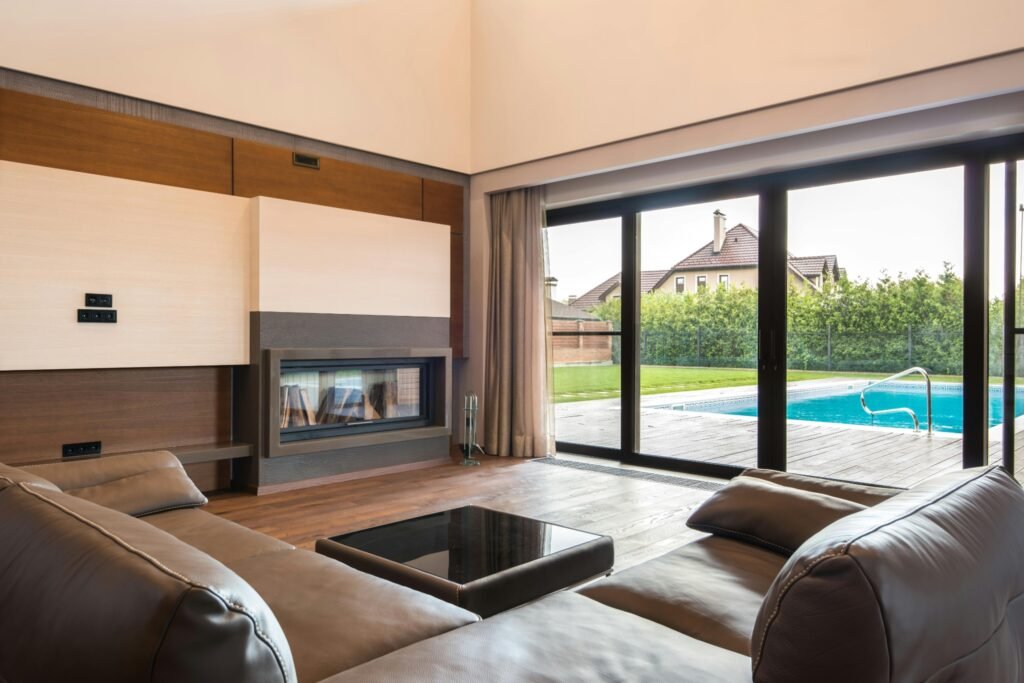
Energy performance is no longer optional in premium projects. Architects and developers now study glazing, frame design, and sealing systems carefully before finalising aluminium sliding doors. The goal is simple. Maintain indoor comfort. Reduce unwanted heat transfer. Keep performance consistent across seasons.
When specified correctly, these systems contribute meaningfully to building efficiency. To understand how energy control works in practice, consider the following technical aspects that influence performance.
- Thermal break profiles: High-quality aluminium sliding door systems use insulated profile sections that reduce direct heat transfer between interior and exterior surfaces.
- Double or triple glazing options: Layered glass units with controlled air gaps improve insulation and help stabilise indoor temperatures.
- Precision sealing systems: Multi-layer gaskets in the latest door designs reduce air infiltration around panel edges and along track junctions.
- Low-emissivity glass selection: Coated glazing can reduce excessive solar heat gain while maintaining natural daylight entry.
Energy efficiency also depends on proper planning at the design stage. The orientation of the façade, shading devices, and glazing area must align with climate conditions.
For example:
• In west-facing villas, controlled glazing combined with high-performance sliding glass doors can help manage late afternoon heat exposure.
• In garden-facing residences, wider openings with balanced glazing help maintain brightness without excessive thermal load.
• In hospitality projects, consistent frame and glass selection across multiple openings supports stable indoor comfort.
The performance of modern aluminium sliding doors improves further when installation is executed with precision. Track alignment, frame anchoring, and sealing at junctions directly influence air tightness and insulation behaviour.
In long term use, well-planned aluminium doors contribute to a comfortable indoor environment while maintaining the open architectural experience clients expect.
Key Considerations When Choosing Aluminium Sliding Doors
Selecting the right aluminium sliding doors requires careful technical evaluation at the design stage. The opening width, panel height, wind exposure, usage frequency, and location within the building all influence system performance.
Architects and project consultants must review structural strength, hardware durability, and glazing compatibility before finalising specifications. A properly selected system supports smooth daily operation and long-term stability.
The points below outline the most important aspects that should be assessed before confirming any sliding door systems for residential or commercial projects.
- Profile Strength and Structural Capacity: Large panels demand reinforced aluminium sections that handle glass weight and wind load without long term frame distortion.
- Track Quality and Roller Performance: Precision rollers and durable tracks maintain smooth panel movement even under repeated heavy daily usage.
- Glass Specification and Thickness: Glazing selection must align with panel dimensions, safety standards, and required acoustic or thermal performance.
- Locking Mechanism and Security Hardware: Multi-point locking systems strengthen panel interlocks and improve safety for accessible ground-level installations.
- Drainage and Water Management Design: Integrated sill drainage channels help manage rainwater flow and reduce moisture accumulation during monsoon conditions.
- Configuration Flexibility and Opening Width: Multi-panel arrangements or integrated pocket sliding doors should align with circulation flow and façade planning.
- Surface Finish and Corrosion Resistance: High-quality powder coating and treatment processes support long-term durability in humid or coastal regions.
- After Sales Support and Service Accessibility: Availability of hardware components and technical guidance support reliable long term maintenance planning.
When these elements are evaluated thoroughly, the selected modern aluminium sliding doors perform consistently across years of use. Careful specification at the planning stage protects both design intent and investment value.
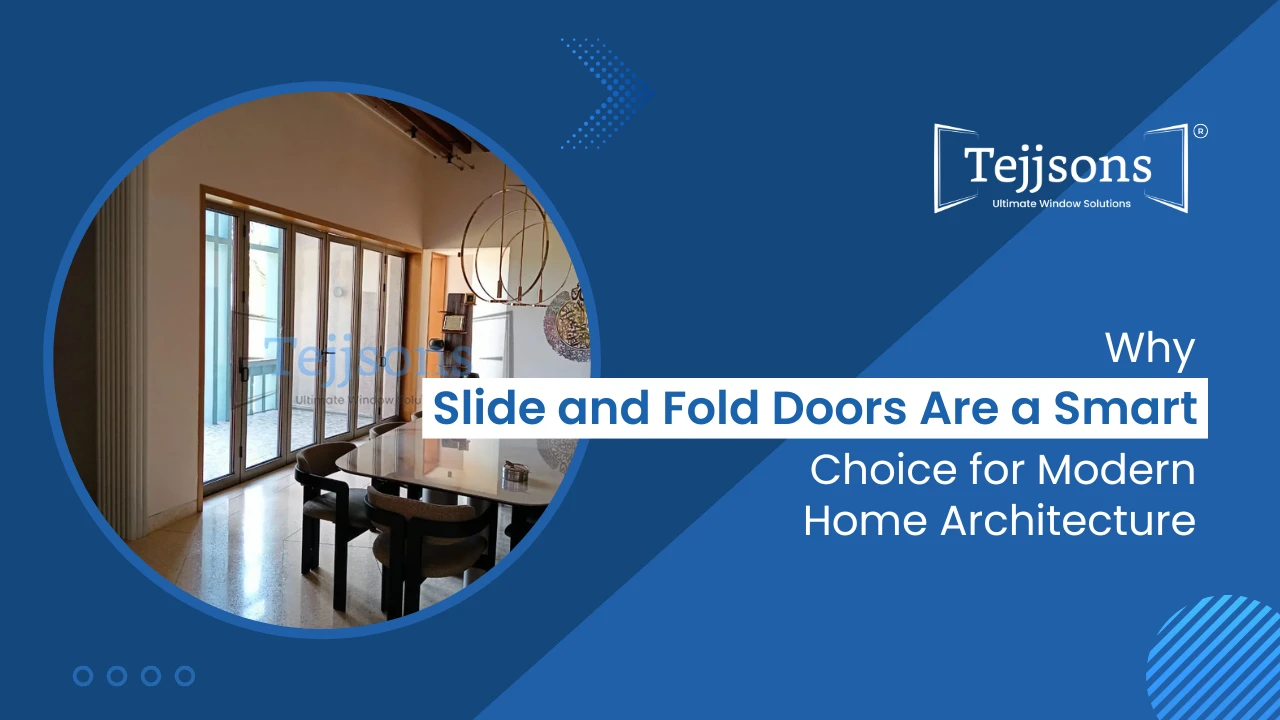
You May Also Read: Why Slide and Fold Doors Are a Smart Choice for Modern Home Architecture
How Long Do Aluminium Sliding Doors Last?
Aluminium doors are known for lasting decades with minimal loss of performance over time. When built from quality alloys and installed with precision, aluminium doors run strong in daily use. In typical residential or commercial settings, modern aluminium doors last around 30 to 40 years before major replacements become necessary.
This performance comes from the metal’s inherent resistance to warping, rust, swelling, and shape changes in varying temperatures. Aluminium sliding doors in well-maintained buildings often exceed this range because the material resists structural fatigue and retains stability for many years.
High-quality aluminium can last even longer under ideal conditions. It is common for premium aluminium doors to reach 50 years of service life when fabrication standards are high and exposure to harsh environments is limited. The natural oxide layer that forms on the surface stops corrosion and keeps the frame strong over time.
This extended lifespan makes aluminium sliding doors a durable choice for long-term architectural planning, especially in projects that prioritise longevity and low long-term maintenance costs.
Choose Tejjsons for Durable and Premium Aluminium Sliding Doors
Selecting the right aluminium doors manufacturer is as important as selecting the right system. The performance of aluminium sliding doors depends on fabrication precision, engineering depth, and installation expertise. At Tejjsons, every project is approached with technical clarity and site-specific planning. Our systems are developed for Indian climate conditions and large architectural openings where structural stability matters as much as aesthetics.
Here is what defines our approach to premium sliding door systems:
- Engineered for Large Openings: Our large aluminium sliding doors are designed to handle heavy glass panels with stable frame geometry and balanced movement.
- Precision Fabrication Standards: Every aluminium sliding door system is manufactured with strict dimensional control for consistent alignment and panel balance.
- High-Performance Hardware Integration: We use tested roller assemblies and multi-point locking mechanisms that support smooth and secure operation.
- Customised Architectural Solutions: Our team develops custom aluminium sliding doors tailored to façade layout, circulation flow, and interior planning.
- Refined Finish and Detailing: Powder-coating quality and profile finishing are executed to match premium residential and commercial design standards.
- Professional Installation Support: Proper on-site alignment of aluminium sliding doors directly influences performance, and our technical teams supervise this process carefully.
When projects demand strong structure, smooth functionality, and long-term durability, Tejjsons delivers modern aluminium sliding doors built for serious architectural performance. Connect with us today today and design your ideal custom aluminium sliding doors with us.