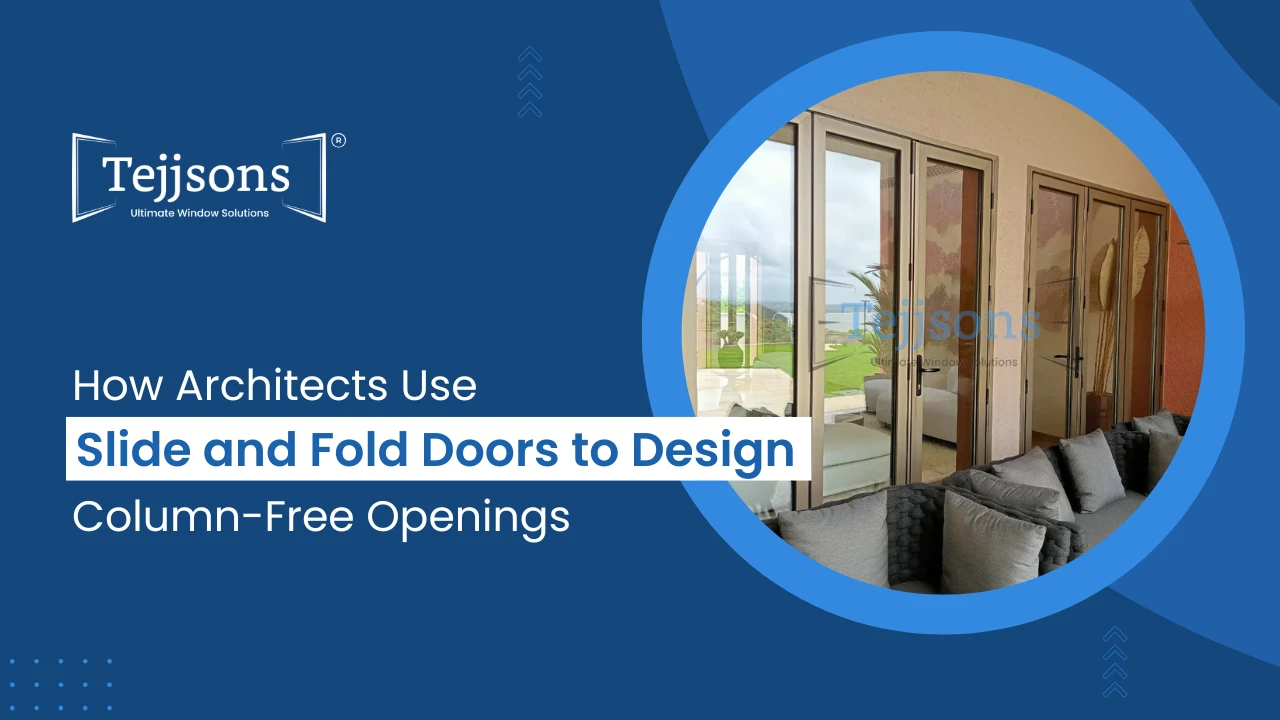
Architects today aim to remove visual barriers and create uninterrupted spaces that feel open, light, and fluid. Columns, once a structural necessity, now often interrupt layouts and limit how spaces connect. This shift has pushed designers to rethink door systems that can support wide spans without breaking the visual flow. That is where slide and fold doors have become a critical architectural tool.
With advances in engineering and frame strength, aluminium slide and fold doors allow architects to design expansive openings without intermediate supports. These systems support large glass panels, precise load distribution, and smooth movement across tracks. As a result, architects increasingly rely on slide and fold door systems to achieve column-free openings that suit modern residential, commercial, and hospitality projects.
This blog explores how architects use slide and fold doors to design column-free openings, the steps involved in planning such layouts, and the architectural advantages these systems bring to contemporary design.
Key Takeaways
- Slide and fold doors help architects design wide, column-free openings without disrupting the structure.
- Strong aluminium frames support large glass panels while keeping profiles slim and refined.
- These systems improve visual continuity between indoor and outdoor spaces in modern layouts.
- Architects rely on slide and fold doors to balance engineering precision with architectural clarity.
Table of Contents
How Slide and Fold Doors Make Column-Free Openings Possible
Designing column-free openings requires careful coordination between structure, materials, and movement systems. Architects rely on slide and fold doors because these systems distribute loads intelligently while preserving visual continuity. Below are the six core stages how architects can follow to achieve wide, uninterrupted openings using folding door technology.
1. Structural Span Analysis and Load Planning
Architects begin by analysing span requirements and load distribution early in the design phase. Slide and fold doors rely on engineered aluminium frames that transfer weight through tracks instead of columns. This makes sure that wide openings remain stable. Proper calculations see to it that glass panels align with structural limits while maintaining smooth movement across the entire opening without visible structural interruptions inside.
2. Selecting High-Strength Frame Systems
Material selection plays a central role in column-free planning. Aluminium slide and fold doors offer high strength with slim profiles, a trait necessary in contemporary architecture. Architects specify reinforced sections to handle wind loads and daily use. The result is a wide opening premium aluminium door system that stays rigid without vertical supports across expansive residential and commercial layouts in modern architecture.
3. Advanced Track and Threshold Engineering
Track engineering replaces traditional column support in modern layouts. Slide and fold door systems use floor and head tracks designed to carry cumulative panel weight. Architects coordinate track depth with flooring and ceiling levels. Such planning keeps movement precise and supports folding doors for large openings without visible structural breaks along entire spans in contemporary architecture projects.
4. Glass Selection for Wide, Unsupported Openings
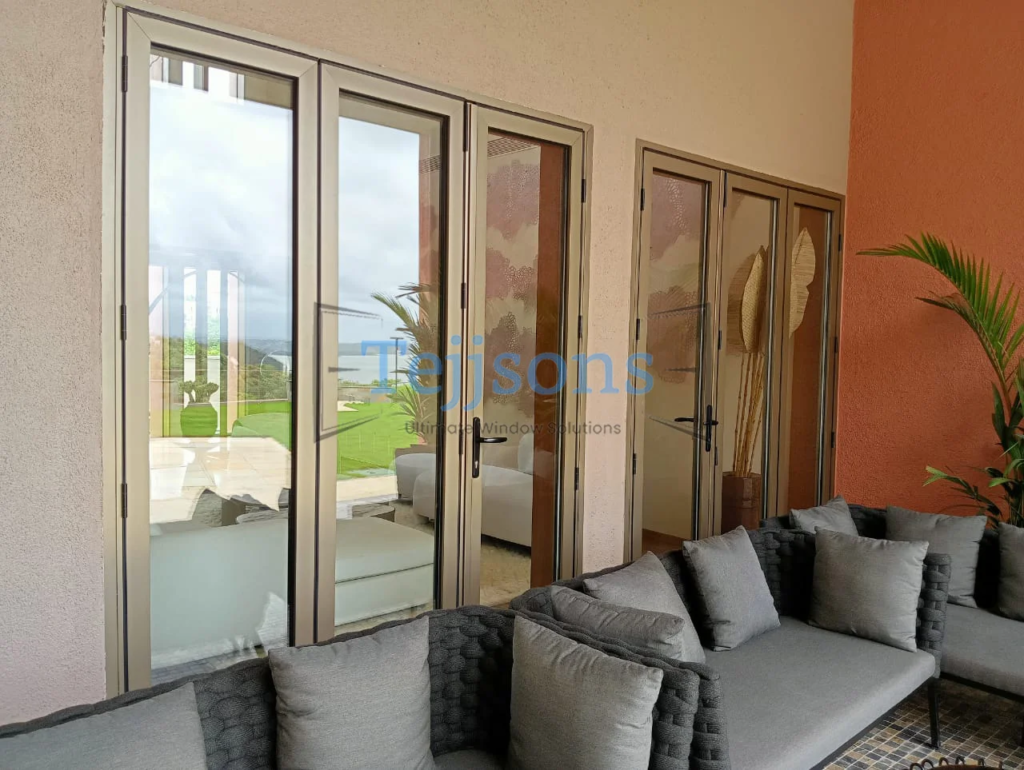
Glass specification is critical when removing columns from facades. Slide and fold glass doors use toughened and laminated glass sized for height and width demands. Architects balance transparency with safety and performance. Correct glazing selection in aluminium doors helps with daylight flow while maintaining stability in sliding folding doors architecture across wide spans within residential villas, resorts, and commercial public spaces designed by architects.
5. Integration With Structural Beams and Ceilings
Column-free openings still require careful coordination with beams and ceiling elements. Architects can align slide and fold doors for seamless openings with concealed structural supports above the opening. This keeps load paths continuous without visible vertical members. The opening remains visually clean while the structure works quietly in the background, supporting large spans in refined architectural compositions.
6. Precision Installation and Final Alignment
Final coordination focuses on alignment, tolerance, and installation sequencing. Slide and fold doors demand precise execution to achieve seamless openings. Panels must fold evenly and lock securely without resistance. After ascertaining all of these things, architects use slide and fold doors to design column-free openings that perform consistently over time across complex residential and hospitality architectural projects worldwide today.
Where Architects Utilise Slide and Fold Doors to Design Column-Free Openings
Architects place slide and fold doors where uninterrupted views, flexible movement, and wide spans matter most. These systems support layouts that remove visual breaks and let spaces expand or close as needed. Below are the most common applications where sliding folding doors enable clean, column-free openings in architecture
1. Living Rooms Opening to Gardens or Patios
Large living areas benefit from slide and fold glass doors that open fully toward outdoor spaces. Architects use these sliding door systems to replace segmented walls with wide openings that connect interiors to gardens. The absence of columns keeps sightlines clear and supports a relaxed, open-plan feel suited to modern homes.
2. Dining Areas Linked to Outdoor Seating
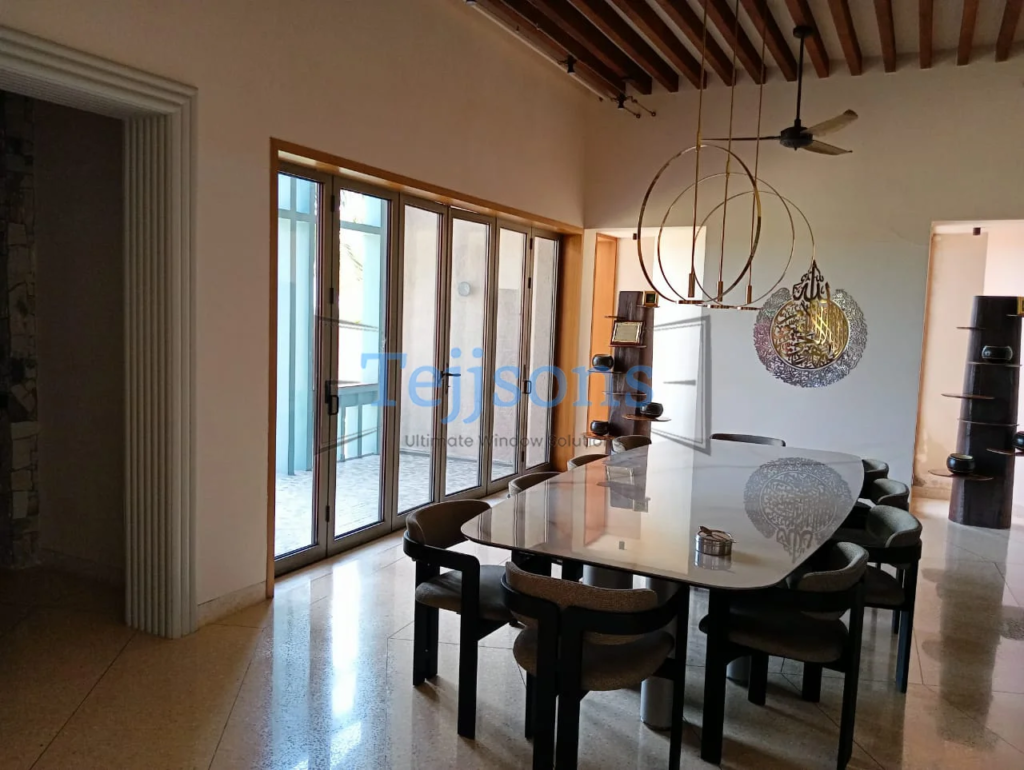
In villas and premium residences, dining zones often extend outdoors. Folding doors for large openings allow architects to design a single, continuous dining experience. Panels fold away during gatherings and close neatly when needed, all without vertical supports interrupting the span.
3. Balconies and Terraces in High-End Apartments
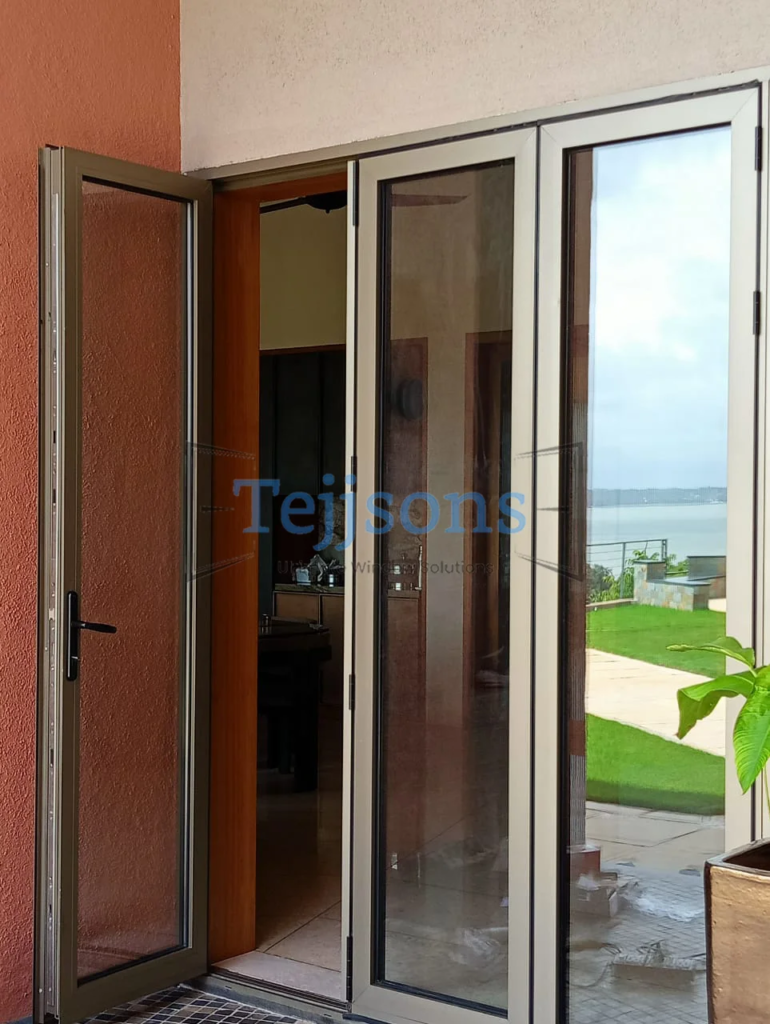
Urban projects rely on wide-opening door systems for balconies to maximise usable balcony space. Architects specify aluminium slide and fold doors to remove corner columns and improve daylight entry. This approach makes compact apartments feel larger while maintaining structural stability and clean façades.
You may also read: Top 5 Balcony Door Designs to Transform Your Home’s Outdoor Space
4. Courtyards and Internal Open Spaces
Courtyard designs demand visual continuity from multiple sides. Slide and fold doors for seamless openings help architects frame these areas without intrusive columns. When fully open, the courtyard becomes part of the interior layout, improving airflow and spatial balance throughout the home.
Read Next: Bifold vs Sliding Doors: Which One is Right For You?
5. Resort Villas and Hospitality Suites
Hospitality projects favour large glass folding doors to create uninterrupted views and flexible room layouts. Architects use these systems to connect suites to decks, pools, or landscapes. Column-free openings improve guest experience and reinforce a premium, open environment.

Why Slide and Fold Doors Work So Well in Modern Architecture
Modern architecture focuses on openness, adaptability, and visual continuity across spaces. Aluminium door designs must support these ideas without adding bulk or interrupting structure. Slide and fold doors meet these expectations through engineering, proportion, and flexibility that align well with contemporary design thinking.
- Supports Column-Free Design Intent: With slide and fold doors, architects create wide spans without visual interruptions, which keeps layouts clean and spatial flow uninterrupted.
- Aligns With Minimalist Architectural Language: Slim aluminium door frames and large glass panels complement modern homes that prioritise simplicity and refined detailing.
- Facilitates Flexible Living Spaces: Panels fold away completely to let rooms expand or close depending on usage, events, or weather conditions.
- Improves Visual Transparency: Large glazed surfaces maintain strong visual connections between interiors and exteriors without compromising structure.
- Integrates Seamlessly With Modern Materials: Slide and fold door systems pair naturally with concrete, stone, glass, and steel used in contemporary builds.
- Balances Engineering and Aesthetics: Strong aluminium construction supports heavy glass while keeping profiles slim and visually light.
- Meets Modern Lifestyle Expectations: The system suits homes designed for gatherings, open planning, and seamless movement between spaces.
Read Next: 10 Luxurious Front Door Entrance Ideas for a Grand First Impression
Final Thoughts
Column-free openings have become a defining feature of modern architecture. They change how spaces feel, how light moves, and how people interact with their surroundings. Slide and fold doors give architects the freedom to design wide, uninterrupted openings without compromising structure or performance. Their ability to support large spans, clean sightlines, and flexible layouts makes them a natural fit for contemporary homes, villas, and hospitality spaces.
As architectural design continues to move toward openness and adaptability, sliding folding doors play a key role in shaping these environments. When planned and executed correctly, these systems deliver both visual clarity and everyday functionality, which is why architects continue to rely on them for refined, column-free designs.
Want to Explore Slide & Fold Doors For Your Next Build?
If you’re planning a project that demands wide openings and precise detailing, working with the right manufacturer matters. Tejjsons is the leading aluminium windows and doors manufacturer with 25+ years of experience in engineered door systems for modern architecture.
Our aluminium slide and fold doors are designed to support large spans, smooth movement, and long-term structural reliability. Architects, builders, and homeowners rely on our systems for accurate fabrication, clean finishes, and consistent performance across residential and hospitality projects.
Looking for premium slide and fold door systems built for column-free openings and modern design? Get a custom quote today.