Architecture today focuses on openness, light, and visual continuity. Homes are no longer designed around small openings and heavy walls. Instead, architects use large aluminium windows to create brighter interiors and stronger connections with outdoor spaces. These wide openings bring natural light deep into living areas and make rooms feel larger and more inviting.
The growing demand for expansive glazing has changed how façades are designed. Architects now plan large aluminium window design concepts that stretch across wider walls or rise from floor level upward. These openings support large windows while maintaining clean architectural lines. When placed carefully, they frame gardens, city skylines, or landscape views and become a central visual feature of the building.
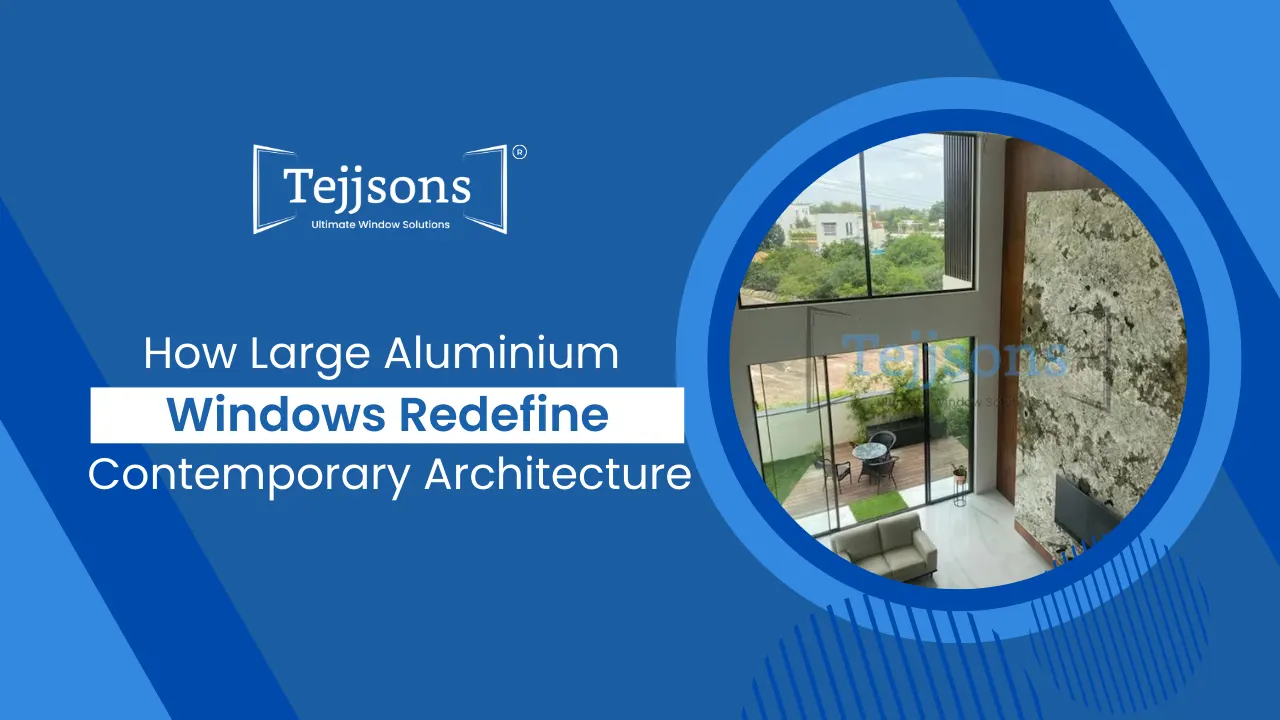
Aluminium makes these large openings possible. Its strength supports wide glass spans while maintaining slim profiles. This allows architects to create floor to ceiling aluminium windows and other expansive glazing solutions that match contemporary design expectations. In modern architecture, large aluminium windows play a key role in shaping spaces that feel open, bright, and visually connected to their surroundings.
Key Takeaways
- Large aluminium windows bring deeper daylight into interiors and make spaces feel brighter and more open.
- Expansive window openings help create stronger visual connections between indoor spaces and outdoor surroundings.
- Aluminium frames support large glazing areas while maintaining structural stability and clean architectural lines.
- High-quality premium aluminium windows combine durability, refined aesthetics, and long-term performance in contemporary homes.
Table of Contents
The Rise of Aluminium Windows in Modern Architecture
Architectural design has shifted significantly over the past two decades. Buildings today focus on openness, clarity of lines, and stronger connections with the surrounding environment. Window systems play a major role in this transformation. Traditional small openings limited daylight and visual connection. In contrast, large aluminium windows allow architects to create brighter interiors and façades that feel lighter and more contemporary.
Several architectural priorities have contributed to the growing use of aluminium window systems. Some of them are:
- Greater natural daylight inside buildings: Expansive glazing brings deeper daylight into interiors and keeps spaces naturally bright throughout the day.
- Cleaner façade design: Slim structural profiles help create slim-profile aluminium windows that maintain sharp architectural lines.
- Support for larger glass spans: Aluminium strength makes it possible to install large glass aluminium windows without bulky framing.
- Design flexibility for architects: Custom fabrication allows architects to develop architectural aluminium windows that align with façade composition.
- Compatibility with modern layouts: Open living spaces benefit from contemporary aluminium windows that visually connect indoor and outdoor areas.
Because of these advantages, aluminium window systems are now widely used in villas, high-rise residences, and hospitality projects.
This shift can also be seen in current architectural preferences.
- Many premium homes now include floor-to-ceiling aluminium windows to maximize daylight and outdoor views.
- Architects frequently specify minimal aluminium windows to maintain clean and unobtrusive frame lines.
As contemporary architecture continues to prioritise openness and visual clarity, large windows remain one of the defining elements shaping modern building design.
You May Also Read: How Architects Use Slide and Fold Doors to Design Column-Free Openings
5 Key Ways Large Aluminium Windows Are Redefining Modern Architecture
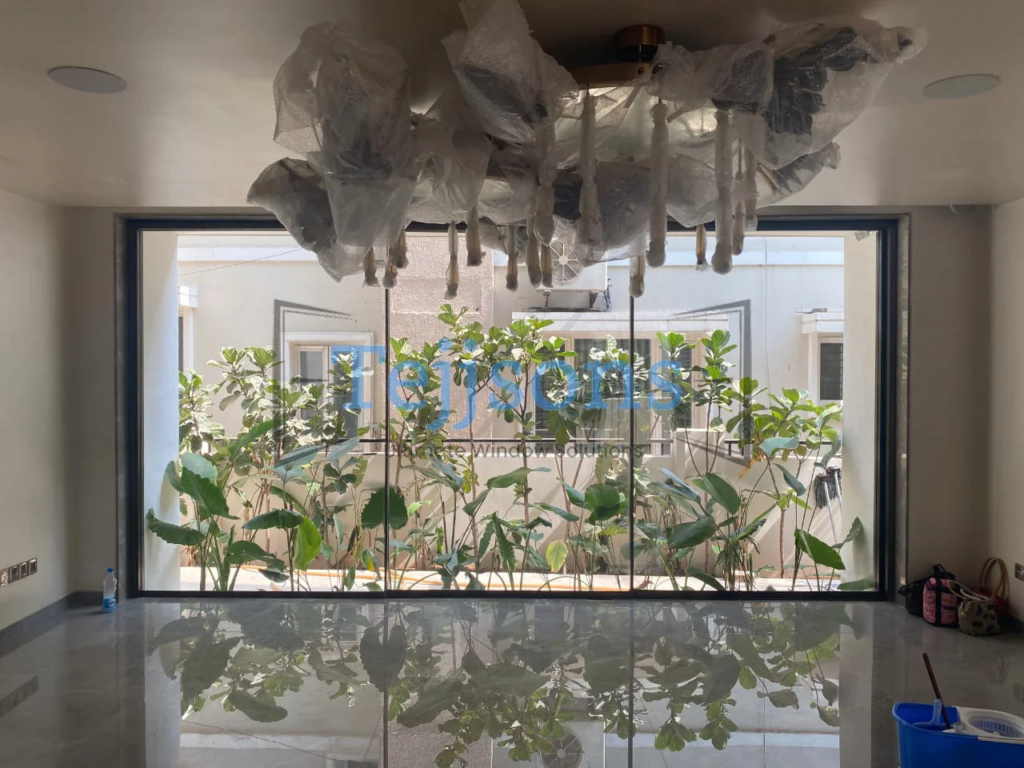
Architects today design spaces that feel open, light-filled, and visually connected to their surroundings. Windows are no longer treated as simple openings in a wall. They are now major architectural elements that shape how a building looks and how a space feels inside. With the structural strength of aluminium and the ability to support large glass panels, large aluminium windows have become central to contemporary design.
Add in automation and motorised aluminium windows have made operating large window-and-door systems easier. These trends influence façade aesthetics, daylight planning, and the overall experience of interior spaces.
1. Expansive Daylight Across Interior Spaces
One of the most noticeable effects of large aluminium windows is the amount of natural light they bring into a building. Larger glazed openings help daylight travel deeper into rooms compared to smaller windows. This changes how interiors feel throughout the day.
Living spaces appear brighter, surfaces reflect more light, and artificial lighting becomes less necessary during daylight hours. Architects frequently specify floor to ceiling aluminium windows in living rooms and lounges where daylight is expected to shape the mood of the space.
2. Stronger Visual Connection to the Outdoors
Large windows create a continuous visual link between indoor spaces and the outside environment. Landscapes, gardens, terraces, and city views become part of the interior experience when framed through glass. With large glass aluminium windows, the frame remains slim while the glass surface becomes the dominant visual element.
This approach supports architectural layouts that value openness and uninterrupted sightlines. Homes located near natural landscapes especially benefit from this type of window design approach.
3. Minimal Architectural Lines and Cleaner Facades
Contemporary architecture often prioritizes simplicity and clean geometry. Slim-profile aluminium windows support this design language because aluminium frames remain narrow even when supporting large glass panels. This helps architects create façades that appear lighter and more refined. In many projects, minimal aluminium windows are used specifically to reduce visual heaviness and maintain sharp building lines. The result is a façade that feels balanced and modern.
You May Also Read: Why Ultra Slimline Aluminum Windows Are the First Choice of Luxury Architects
4. Larger Openings Without Structural Compromise
Aluminium is significantly stronger than many traditional window materials, including wooden windows. This strength leads to wider openings without thick frames or additional structural elements. Large aluminium window design concepts can span broad sections of exterior walls while maintaining stability.
In premium residential projects, big aluminium windows are often used to replace multiple smaller openings. This simplifies façade design and improves the visual flow between indoor and outdoor areas.
5. Architectural Flexibility in Modern Homes
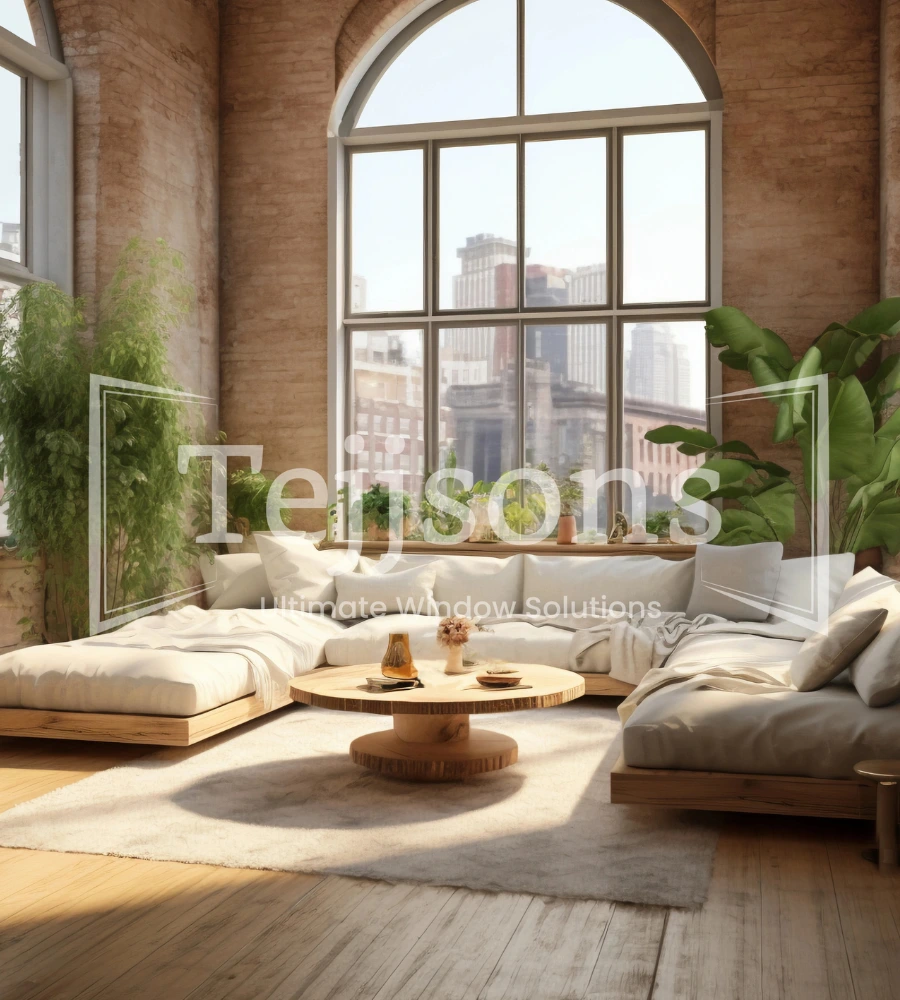
Large window systems provide architects with more design freedom when planning façades and interior layouts. Architectural aluminium windows can be customised in size, configuration, and glazing type based on project needs. In contemporary homes, these windows often become a defining feature of the structure. When paired with refined finishes, these aluminium windows add both performance and visual sophistication to modern residential architecture.
Read Next: Are Arched Windows the Missing Piece in Your Dream Home Design?
Why Architects Prefer Large Aluminium Windows
Architects today plan buildings around light, proportion, and visual openness. Window systems play a central role in achieving these goals. The right window specification supports structural stability, daylight penetration, and façade clarity. When designed correctly, large aluminium windows become a defining architectural element rather than just a functional component.
A few reasons why architects prefer large aluminium windows for luxury projects are:
- Structural Strength for Large Openings: Aluminium profiles support expansive glazing without bulky framing, which helps maintain clean architectural proportions.
- Compatibility With Contemporary Design Language: Clean frame geometry complements the visual simplicity expected in contemporary aluminium windows used in modern buildings.
- Flexible Design Customisation: Architects can develop tailored façade solutions using custom-made architectural aluminium windows that match project-specific layouts.
- Long Term Material Stability: Aluminium resists warping, corrosion, and environmental wear, which helps maintain structural alignment over time.
- Balanced Façade Composition: Wider window openings improve elevation symmetry and reduce the need for multiple smaller windows.
- Improved Interior Spatial Experience: Large openings make interior spaces feel more open and visually connected to the outdoors.
- Durable Finishes for Exterior Exposure: Powder-coated aluminium surfaces maintain appearance even in humid or coastal environments.
- Suitability for Premium Residential Projects: Many luxury villas and high-end residences specify maglev-powered luxury aluminium windows for both durability and visual refinement.

Final Thoughts
Large window systems have become a defining element of contemporary residential design. Architects now plan spaces where daylight, views, and interior openness work together to shape the living experience. This shift is exactly where large aluminium windows play a critical role. Their structural strength supports expansive glazing while maintaining clean architectural lines. When used thoughtfully, these windows change how a façade looks and how interiors feel throughout the day.
Rooms appear brighter, walls feel lighter, and outdoor scenery becomes part of the interior environment. For modern homes that value openness and visual clarity, expansive aluminium window systems are no longer optional design features. They are central to the architectural language of the building.
At Tejjsons, we engineer large aluminium windows with the level of precision required for contemporary architecture. Our systems are developed for wide openings, heavy glass panels, and demanding architectural layouts where stability and aesthetics must work together.
From floor-to-ceiling aluminium windows to refined designer aluminium windows, every system is fabricated with strict dimensional control, durable finishes, and hardware built for smooth long-term operation. Architects trust Tejjsons as their top aluminium windows manufacturer when projects require structural reliability, ultra-slim frame aesthetics, and window systems that complement premium architectural design.
Plan your next architectural project with Tejjsons and bring expansive window design into your space with confidence. Get a quote now.