Luxury homes now prioritise how spaces behave, not just how they look. Quiet operation, smooth movement, and intuitive control have become essential. Windows reflect this change through systems that feel effortless in daily use. In premium residences, even small sounds or resistance during operation can disrupt the sense of calm. That’s why advanced window technologies now play a central role in shaping comfort, privacy, and everyday experience.
Two technologies are leading this shift: magnetic levitation windows and motorised windows. Both belong to the new generation of smart window systems, yet they operate in very different ways. One relies on a magnetic levitation system that allows panels to glide smoothly without physical contact.
The other uses motors and automation to control movement at the touch of a button. The choice between magnetic levitation windows vs motorised windows depends on several factors.
For homeowners, architects, and developers, choosing between these systems is not just a design decision. It affects noise levels, maintenance needs, energy use, and long-term reliability. In this blog, we break down the difference between maglev and motorised windows to help you understand which solution truly fits your luxury space.
Key Takeaways
- The choice between magnetic levitation windows vs motorised windows comes down to priorities like silence, movement precision, and automation style.
- Levitation windows focus on frictionless operation and quiet performance, which suits noise-sensitive luxury environments.
- Motorised windows offer flexible automation and are widely used in large façades and everyday smart window systems.
- The magnetic levitation system eliminates mechanical rollers, which reduces vibration and long-term wear.
- Automated windows differ in maintenance needs, installation complexity, and cost depending on the system chosen.
- The right choice depends on space type, usage frequency, and how much control and refinement the project demands.
Table of Contents
Understanding Magnetic Levitation Windows
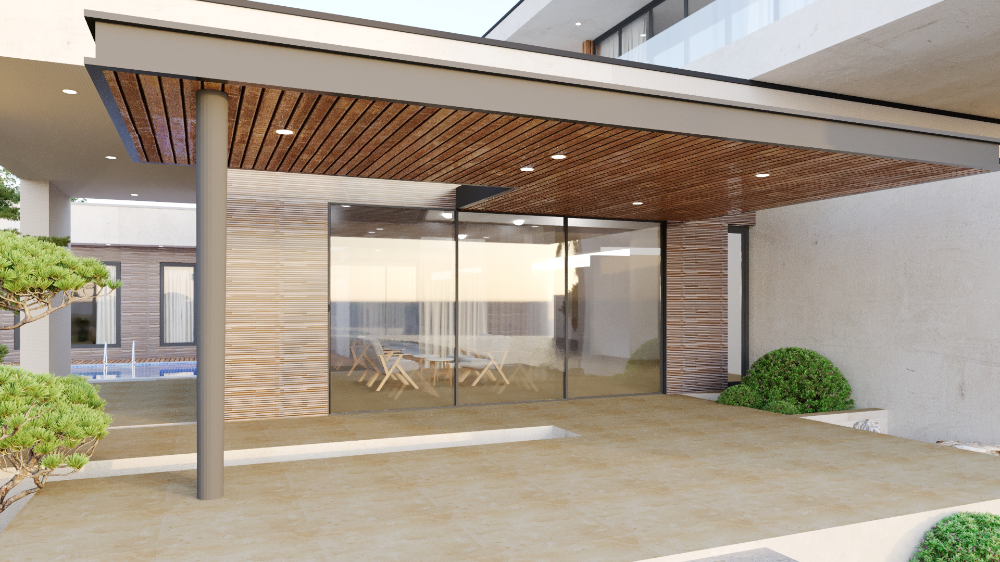
Magnetic levitation windows represent a shift in how window systems operate. Instead of relying on rollers, tracks, or mechanical contact, these systems use a magnetic levitation system that allows the window panel to float slightly during movement. This removes physical friction between moving parts and changes the overall experience of opening and closing a window.
Levitation windows are engineered to deliver movement that feels deliberate, controlled, and effortless. Every component works in quiet coordination to replace friction with balance and precision.
- Magnets embedded within the frame and sash generate a calibrated lifting force that reduces direct contact between moving parts
- The sash remains evenly balanced along its travel path, preventing tilting, drag, or uneven pressure
- Movement occurs with minimal mechanical resistance, allowing the window to glide smoothly and effortlessly
- Reduced vibration eliminates rattling and operational noise, resulting in near-silent opening and closing
Because there is no direct mechanical contact during movement, floating windows experience far less wear over time. The system maintains alignment and stability even with large glass panels. These characteristics make magnetic levitation windows suitable for spaces where silence, smoothness, and long-term reliability matter more than traditional mechanical simplicity.
Pros & Cons of Magnetic Levitation Windows
Pros
- Exceptionally Quiet Operation: The absence of rollers and tracks removes friction noise entirely.
- Smooth, Effortless Movement: Panels glide evenly due to balanced magnetic force.
- Reduced Mechanical Wear: Fewer contact points lower long-term component fatigue.
- Ideal for Large Glass Panels: Stability remains consistent even with wide openings.
- Premium User Experience: Movement of this window feels refined and controlled in daily use.
Cons
- Higher Initial Cost: Advanced technology increases upfront investment.
- Specialised Installation Required: Precise calibration is essential for performance.
- Limited Availability: Not all manufacturers offer mature levitation systems.
You may also read: How Tejjsons’ Levitation Windows Offer Noise-Free Living in Urban Spaces
Understanding Motorised Windows
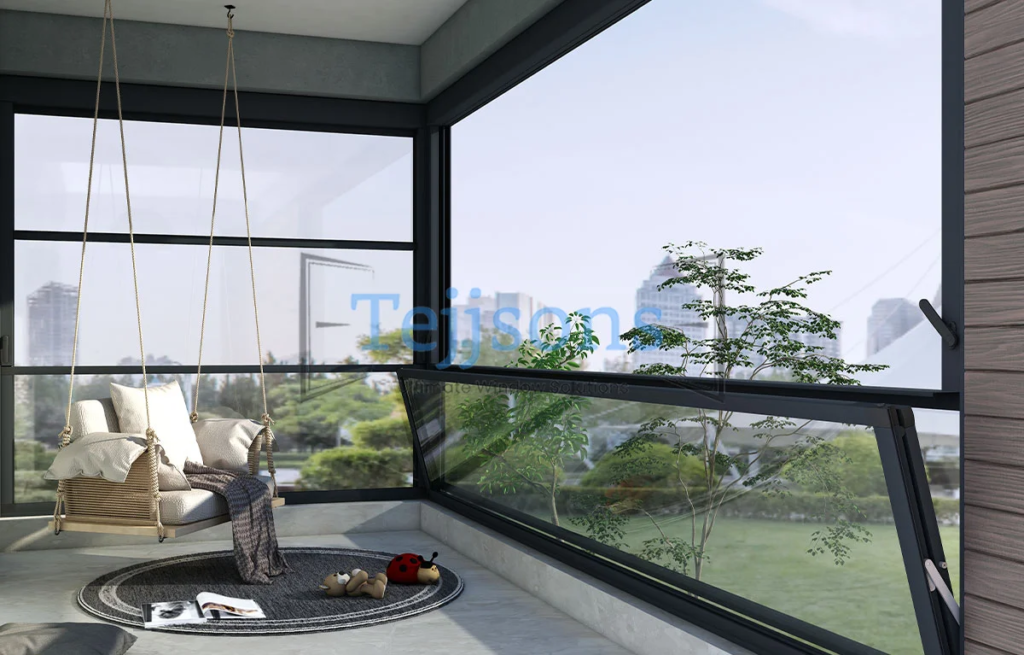
Motorised window systems rely on electric motors to automate opening and closing functions. These systems form a key part of automated windows and broader smart window systems used in modern homes. Operation typically happens through wall switches, remote controls, or integrated home automation platforms.
Unlike levitation systems, motorised windows still depend on traditional tracks, hinges, or sliding mechanisms. The motor replaces manual effort but does not remove physical contact between moving parts. This makes motorised systems familiar and widely adaptable across different window formats.
Motorised windows are designed to combine controlled movement with intelligent access. At Tejjsons, precision-driven mechanisms and smart interfaces work together to deliver effortless operation at the touch of a command.
- A concealed motor system drives the window with consistent, measured force for smooth opening and closing
- Integrated control units translate digital commands into precise mechanical movement
- Top aluminium window and door manufacturers, like Tejjsons, implement control systems that operate through remotes, smartphones, and biometric interfaces for seamless everyday access.
- Safety sensors and calibrated stops ensure controlled motion, stability, and reliable performance over time
Motorised windows suit projects that prioritise convenience and accessibility. They work well in hard-to-reach locations, tall façades, and large residential layouts. Integration with sensors and automation allows scheduled opening, ventilation control, and coordinated operation with other building systems. For many luxury homes, this balance of technology and practicality fits everyday living needs.
Read Next: Maximizing Luxury: The Role of Motorised Doors & Windows in Interior Design
Pros & Cons of Motorised Windows
Pros
- Convenient Remote Operation: Windows open and close without manual effort.
- Wide Design Compatibility: Works with sliding, casement, and lift systems.
- Smart Home Integration: Connects easily with automation platforms and sensors.
- Accessible for Large Homes: Ideal for tall or difficult-to-reach windows.
- Proven Technology: Established systems with broad market availability.
Cons
- Mechanical Noise Presence: Motors and tracks can produce operational sound if not built well.
- Component Wear Over Time: Rollers and hinges experience gradual fatigue.
- Dependence on Power Supply: Manual operation may be limited during outages.
At Tejjsons, we deliver ultra-slim aluminium windows in both motorised and levitation configurations so your luxury space exudes the elite confidence it deserves.
Magnetic Levitation & Motorised Windows: Key Comparison
Both systems fall under advanced smart window systems, yet they serve different expectations in luxury architecture. Choosing between magnetic levitation windows or motorised windows depends on how much importance you place on silence, movement quality, automation depth, and long-term experience.
For example, luxury maglev windows provide a silent glide, but motorised vertical sliding windows are great for compact spaces. While both improve comfort and control, the underlying technology and daily interaction feel very different.
The table below highlights the comparison between maglev and motorised windows in practical, real-world terms rather than technical jargon.
| Aspect | Magnetic Levitation Windows | Motorised Windows |
|---|---|---|
| Core Technology | Periodic servicing is required for motors and hardware | Uses motors, gears, belts, or chains to drive movement |
| Movement Experience | Completely silent and friction-free with smooth floating motion | Audible motor sound with mechanical movement if built inefficiently |
| Wear Over Time | Minimal wear due to absence of rollers or tracks | Gradual wear of motors and mechanical components |
| Precision Control | Extremely precise movement with consistent alignment | Precision depends on motor quality and calibration |
| Maintenance Needs | Very low due to non-contact operation | Periodic servicing required for motors and hardware |
| Visual Appeal | Creates a floating effect suited to premium interiors | Traditional automated appearance |
| Integration Scope | Works best in high-end automated windows ecosystems | Compatible with most home automation platforms |
| Ideal Use | Ultra-luxury homes, quiet zones, high-spec architectural projects | Residences and commercial spaces seeking convenience |
Both systems represent progress over conventional windows. The difference lies in how refined the experience feels over the years of use rather than just on day one.
Read Next: 6 Reasons Why Architects Opt For Motorised Guillotine Windows
Magnetic Levitation Windows vs Motorised Windows: Cost Comparison
Cost plays a major role when selecting between levitation windows and motorised windows, especially for large projects. Pricing reflects not only automation but also engineering complexity, lifespan, and maintenance expectations. The addition of advanced features like smart glass also affects the cost.
Rather than focusing on upfront numbers alone, it’s important to understand what the investment supports over time. Here’s a candid overview of cost factors that matter when it comes to magnetic levitation windows vs motorised windows.
| Cost Factor | Magnetic Levitation Windows | Motorised Windows |
|---|---|---|
| Initial System Cost | Higher cost due to advanced magnetic components and precision engineering | Moderate to high cost depending on motor quality |
| Installation Complexity | Requires specialised installation and calibration | Simpler installation with wider installer availability |
| Maintenance Cost | Very low due to reduced mechanical wear | Ongoing maintenance cost for motors and moving parts |
| Replacement Frequency | Long service life with fewer replacements | Motors may require replacement after extended use |
| Long-Term Ownership Cost | Stable and predictable over time | Can increase due to servicing and part replacement |
| Value Justification | Pays off in silence, durability, and premium experience | Pays off in convenience and accessibility |
From a budget perspective, motorised windows suit projects that prioritise automation at a controlled cost. Floating windows with magnetic levitation appeal to owners who value refinement, silence, and long-term performance over initial savings.
Magnetic Levitation or Motorised Windows: Which One Fits Your Luxury Space?
Choosing between magnetic levitation windows vs motorised windows comes down to how you want your space to behave on a daily basis. Both systems represent advanced smart window systems, yet they serve different expectations around silence, interaction, and control. The right choice depends less on trends and more on how the windows will be used, how often they will move, and what kind of experience the space is meant to deliver.
Luxury homes, penthouses, and signature commercial spaces often prioritise calm, precision, and minimal mechanical presence. In such environments, levitation windows feel almost invisible in operation. Other projects value automation, integration with existing controls, and flexibility across multiple openings.
In those cases, well-designed motorised windows fit naturally into the overall building system. Understanding this distinction helps narrow the decision quickly.
Consider magnetic levitation windows if
- Silent movement and minimal mechanical contact matter most
- Noise control is a priority in bedrooms or high-rise settings
- You prefer systems with fewer moving components
Consider motorised windows if
- Automation and remote control are central to daily use
- Large or heavy window panels need powered operation
- Integration with wider smart window systems is important
Upgrade your luxury space with a window system that delivers precision, silence, and control. Find the solution that fits your expectations. Get a quote today.