Outdoor spaces are becoming extensions of the home rather than separate areas. Families want corners where they can relax, entertain, or unwind without dealing with harsh sun, rain, or lack of privacy. Architects and designers now focus on creating outdoor zones that feel comfortable throughout the year instead of just during good weather.
An aluminium pergola fits naturally into this shift. Its clean structure, strong frame, and refined proportions make it suitable for terraces, gardens, balconies, and commercial outdoor seating. Architects prefer aluminium because it supports precise lines and modern geometry without the upkeep that traditional materials demand. As outdoor lifestyles grow, the role of a pergola becomes more central in shaping how the space looks, feels, and performs.
In this guide, we explain how the right pergola brings function, comfort, and style to any outdoor setting.
Key Takeaways
- An aluminium pergola adds practical shade and structure to outdoor areas without feeling bulky.
- Strong weather resistance makes it suitable for terraces, gardens, patios, cafés, and rooftop spaces across India.
- Low-maintenance surfaces and long-lasting finishes reduce upkeep time and long-term repair costs.
- A modern pergola design supports motorisation, lighting, and smart controls for convenient daily use.
- Slim lines, clean proportions, and smart usability help contemporary options like motorized pergolas blend easily with contemporary homes and minimal architecture.
- Flexible pergola layouts allow you to customise the structure for seating, dining, relaxation, or commercial use.
Table of Contents
What Is a Pergola? (A Quick Overview)
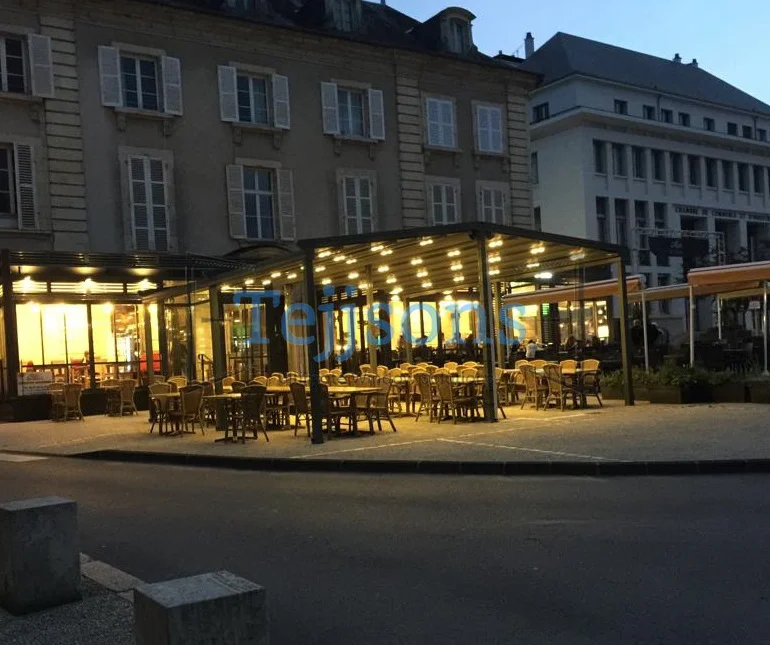
A pergola is an outdoor structure made of upright posts and an overhead frame that creates partial shade while defining open spaces. It adds form and structure to terraces, gardens, patios, cafés, and outdoor lounges. Many people view a pergola as a bridge between indoor comfort and open-air living because it shapes the space without enclosing it fully.
Modern versions include fixed-louvre systems, tilt-and-turn louvers, and bioclimatic pergola roof structures that regulate shade and ventilation.
Newer designs have gone beyond traditional wood to materials that suit contemporary architecture. Modern pergola design focuses on clean lines, minimal bulk, and stronger weather protection. Motorised pergola systems, LED lighting, zip screens, and integrated rain-control features have made the humble pergola a functional extension of daily living. In luxury homes, resorts, and restaurants, a pergola often acts as the central element that sets the tone for the entire outdoor area.
Why Choose Aluminium Over Other Materials for a Pergola
Choosing the right material shapes how your outdoor space looks, performs, and ages. Wood and steel often struggle with weather exposure, upkeep, and long-term stability. Aluminium solves these challenges with cleaner proportions, stronger durability, and smoother integration with modern architecture.
A well-built aluminium pergola also performs consistently across seasons, which makes it suitable for terraces, gardens, balconies, and commercial settings.
Here’s why aluminium remains the preferred choice for modern pergola design:
- High Structural Stability: Aluminium maintains its shape across heat, rain, and long-term outdoor use.
- Low Upkeep Needs: Frames stay clean with basic washing and do not require repainting or sealing.
- Clean, Modern Aesthetic: Slim profiles support minimalist pergola designs without bulky supports.
- Weather-Ready Performance: Strong resistance to rust and corrosion suits garden pergolas and terrace pergolas.
- Better Life Span: Aluminium lasts longer than wood or mild steel in exposed outdoor conditions.
- Lightweight Yet Strong: Panels and louvers operate smoothly due to aluminium’s balanced weight.
- Greater Design Flexibility: Suitable for fixed, tilt, and motorized pergola formats across different spaces.
- Wide Finish Options: Powder-coated surfaces match contemporary architecture and stay consistent for years.
12 Key Ways an Aluminium Pergola Transforms Your Outdoor Space
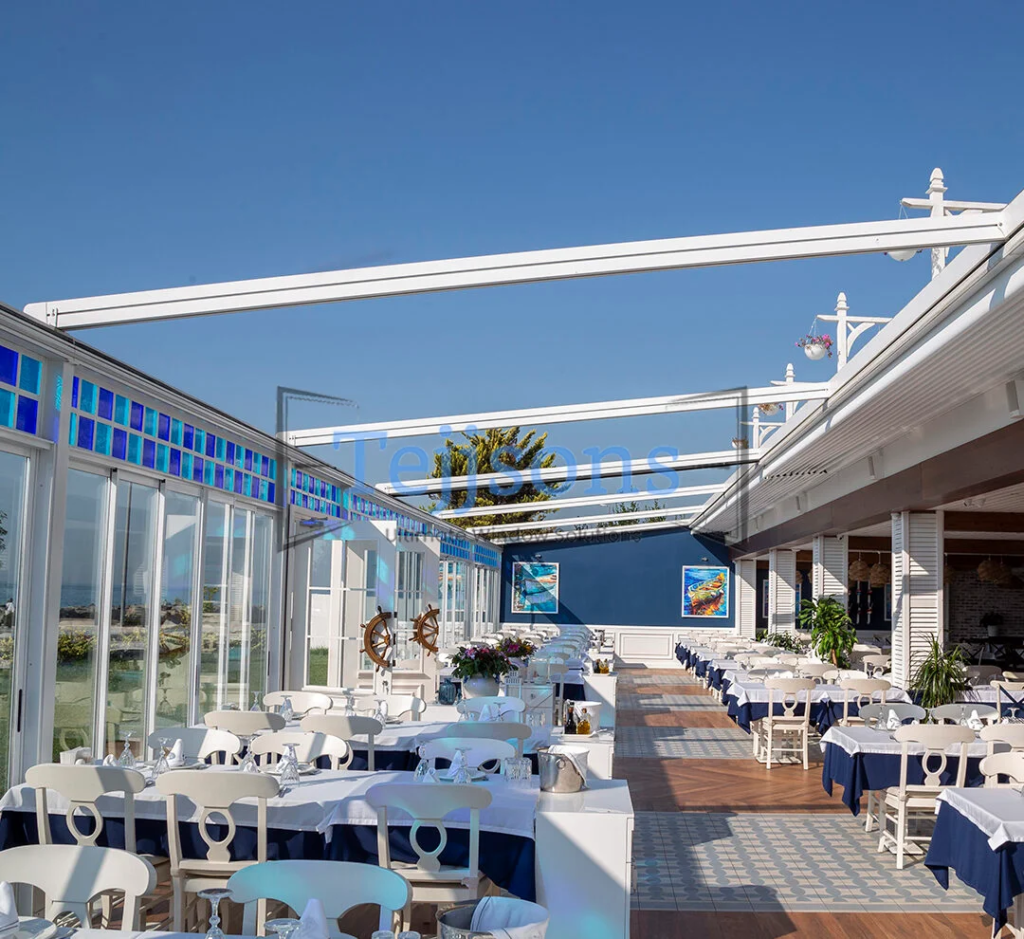
An aluminium pergola changes not only how your outdoor area looks, but also how you use it every day. It creates structure, adds comfort, and expands the space in a way that feels natural. Homes with terraces, balconies, and gardens gain an extra zone for dining, relaxing, or entertaining.
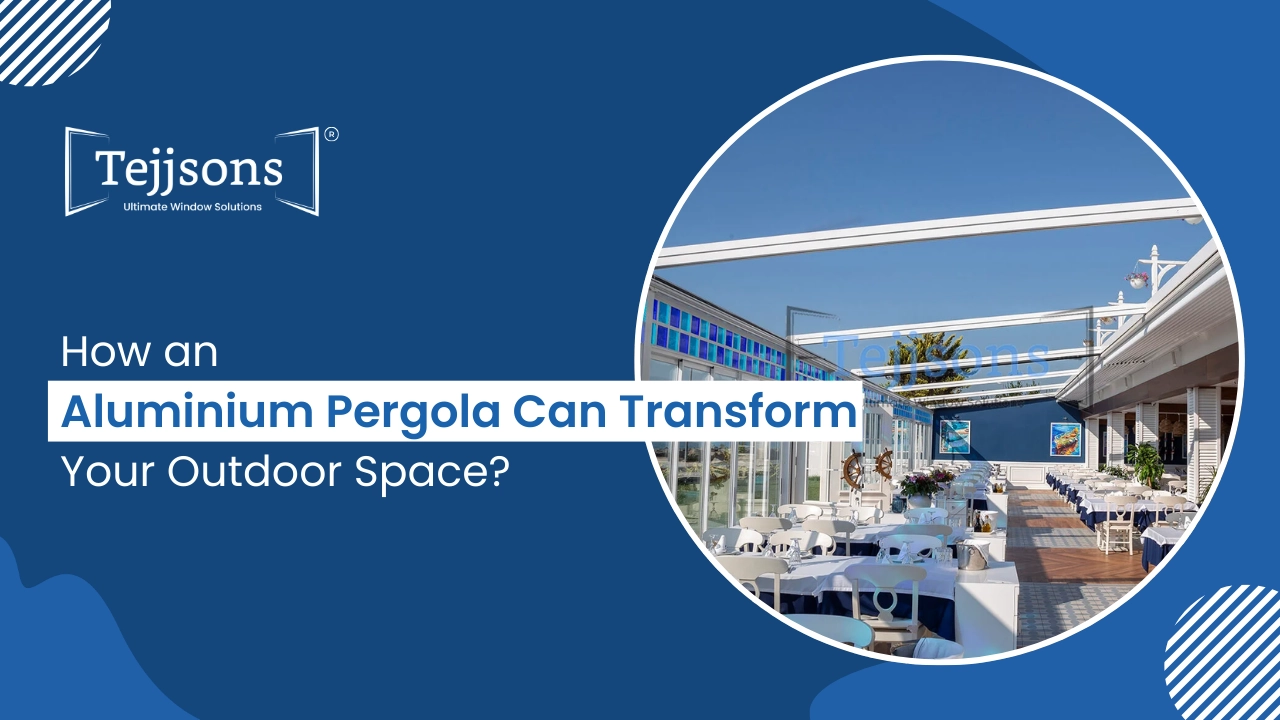
Hotel owners benefit from a wider dining area when they install a pergola for restaurants and cafes. The overall experience feels elevated because the pergola defines the space while still keeping it open and breathable.
Well-designed pergolas also support modern lifestyles. They allow people to use outdoor areas year-round instead of only during pleasant seasons. With strong frames, optional lighting, privacy screens, and motorised louvers, a pergola functions like an outdoor room without requiring complex construction. Below are the 12 ways it transforms your space.
1. Creates a Defined Outdoor Living Zone
A pergola gives your terrace or garden a clear focal point. It marks the area where people gather and sets a sense of order in an open layout. Even a small balcony feels more intentional once a structured shade element is added. The defined space works well for seating, dining, or lounging. With a contemporary outdoor pergola, the entire area feels organised without closing it off completely.
2. Improves Shade and Daylight Control
Outdoor heat can easily limit how often a terrace or balcony is used. A pergola solves that issue by breaking harsh sunlight and balancing shade throughout the day. Louvers or slatted roofs filter light naturally while still letting fresh air circulate. When paired with adjustable features, the structure adapts to the time of day. These qualities make an aluminium pergola design far more practical than a simple awning or canopy.
3. Bolsters the Overall Look of the Home
A well-crafted pergola adds strong architectural value. Its lines frame the outdoor space and complement the building’s façade. Aluminium allows sharp geometry and slim profiles that suit modern homes. It also pairs well with folding aluminium doors. The structure gives terraces and gardens a refined, finished appearance. When coordinated with exterior colours and materials, the pergola becomes part of the overall design rather than a separate accessory.
4. Extends Usable Space for Guests and Family
Homes often need flexible outdoor areas for hosting, relaxing, or spending quiet evenings outside. A pergola makes this possible by creating a comfortable zone that feels sheltered yet open. Extra seating, outdoor dining, or a reading corner fits easily under the structure. Restaurants and cafés also benefit from this feature because it expands guest capacity. The pergola advantages are clear when the space begins serving multiple purposes throughout the year.
5. Supports Outdoor Comfort in All Seasons
Harsh sunlight, light rain, and shifting temperatures can prevent people from using outdoor spaces regularly. A pergola softens these conditions by creating partial protection without blocking airflow. Aluminium performs well across weather changes, so the structure remains stable under long exposure.
With weather-resistant bioclimatic pergolas, the space stays usable even during unpredictable seasons. Many homeowners choose a pergola for this reason alone.
Read Next: Bioclimatic Pergolas: 6 Ideas to Create a Luxe Extension for Your Restaurant, Cafe or Resort
6. Adds Strong Visual Structure to Open Areas
Large terraces and open gardens often feel empty without a central architectural element. A pergola gives them form and balance. The structure anchors the layout and provides a visual frame that ties the outdoor space together. When you use a modern pergola design, the clean lines bring order without overwhelming the landscape. This visual clarity makes the outdoor area feel planned rather than improvised.
7. Refines Outdoor Dining and Entertainment Spaces
A pergola immediately improves the atmosphere of outdoor dining areas. It adds shade during the day and becomes a natural frame for lighting in the evening. Soft LED strips or lantern-style lights turn the area into a warm setting for gatherings. Hotels and cafés use this effect to increase guest comfort. A terrace pergola makes meals and conversations more enjoyable without demanding constant adjustments.
8. Allows Flexibility with Motorisation and Smart Features
Modern homes often include automation. A pergola fits into that ecosystem with ease. Motorised louvers, built-in lighting, and remote controls operate smoothly within an aluminium frame. Homeowners gain the convenience of adjusting shade or ventilation with a single command. The result is an outdoor space that behaves like a controlled room without heavy construction. A motorized pergola becomes part of a larger smart home plan instead of a standalone structure.
9. Increases Privacy Without Blocking the View
Many homes require privacy on balconies or terraces without sacrificing openness. A pergola helps solve this balance. Screens, side panels, and adjustable louvers create comfortable separation from neighbouring buildings. The structure feels open from within, but reduces visibility from outside. This feature works well for urban homes that share boundaries or have limited space. A well-planned aluminium pergola design maintains both privacy and openness.
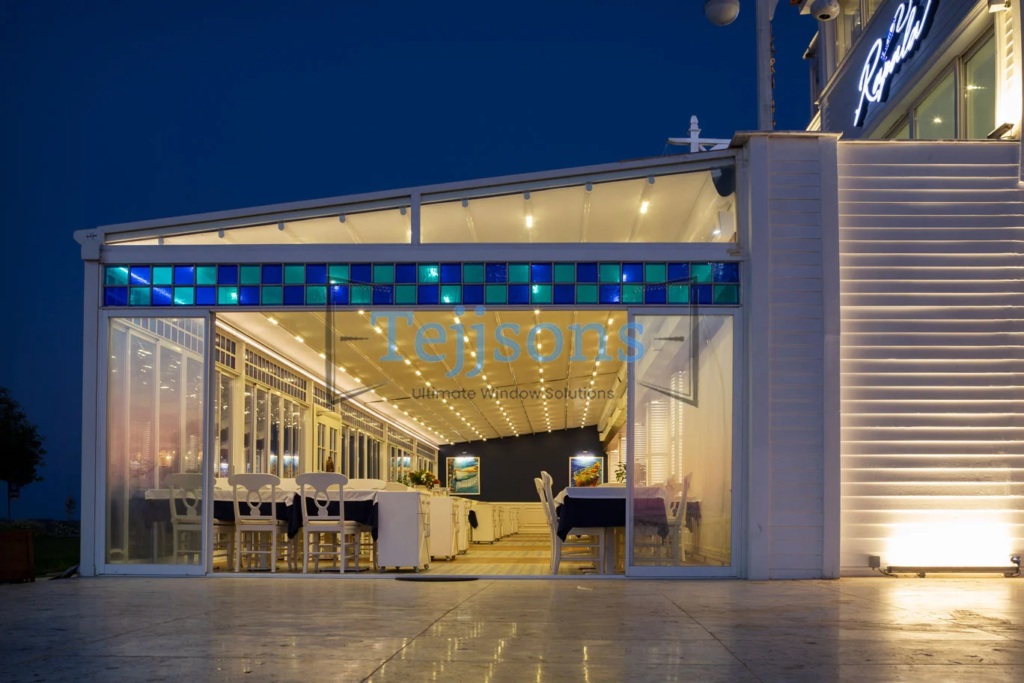
10. Reduces Heat Exposure and Lowers Sun Damage
Outdoor furniture and flooring materials fade quickly under direct sun. An aluminium pergola offers protective coverage that reduces heat exposure and glare. This helps preserve outdoor décor and flooring. Homes in warm climates see a clear difference in comfort once shade and airflow are balanced. These pergola benefits extend to energy use as well since shaded glass doors and windows receive less heat during the day.
11. Blends with Minimalist and Contemporary Architecture
Aluminium suits modern homes because it is clean, light, and easy to shape. Slim posts and precise lines align with minimalist pergola design trends seen in new Indian homes. The pergola becomes a natural extension of the architectural style. It can be coordinated with façade colours, slimline aluminium window frames, railings, or outdoor seating themes. The result is a seamless visual connection between indoor and outdoor zones.
12. Supports Landscaping and Greenery Integration
A pergola frames greenery in a structured way. Plants like vines, climbers, and potted arrangements look more intentional around an aluminium frame. The format allows decorative layouts without feeling cluttered. In garden spaces, a pergola creates a shaded walkway or a seating corner that pairs beautifully with natural elements. The combination of aluminium and greenery feels balanced and calming.
How an Aluminium Pergola Performs in Different Weather Conditions
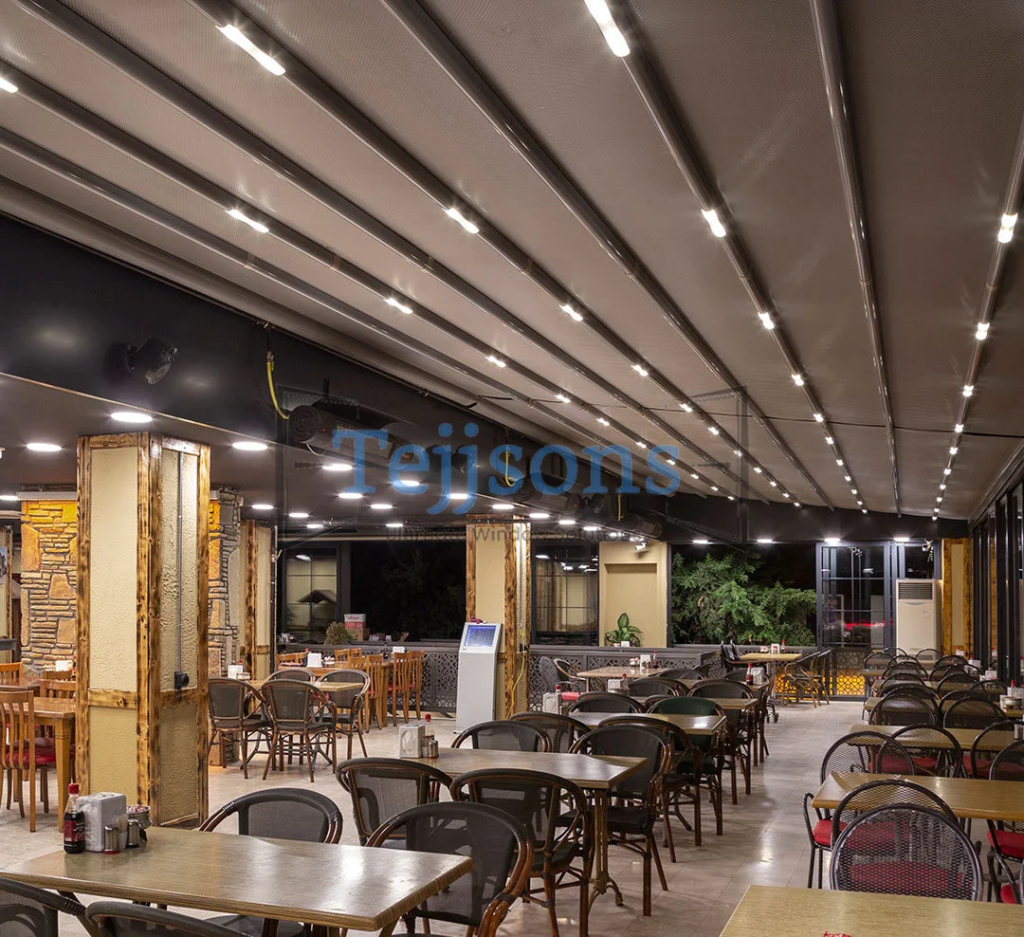
An aluminium pergola stands out because it performs well across seasons without losing strength or shape. Many outdoor structures look appealing at first, but fail once exposed to harsh sun, heavy rain, or moisture for long periods. Aluminium solves these issues with a stable frame that resists corrosion, fading, and structural distortion.
This reliability makes it suitable for balconies, rooftops, gardens, patios, cafés, and resort settings where durability matters as much as design.
1. Hot and Sunny Weather
High temperatures can make outdoor areas uncomfortable during the day. A motorized pergola reduces direct heat by breaking sunlight through fixed or adjustable louvers. This increases the time you can comfortably spend outside. Homes with large terraces benefit the most because shaded areas stay cooler. With the right placement, the pergola also protects glass doors from absorbing too much heat, which provides indirect insulation to indoor rooms.
2. Rainy and Monsoon Conditions
During monsoon months, wooden structures often absorb moisture and begin to swell or lose shape. Steel structures may rust at the joints. Aluminium avoids these issues. A well-designed aluminium pergola channels rainwater correctly and prevents pooling. Motorised louvers can close fully, keeping furniture and flooring dry. This makes it a dependable choice for cafes, restaurants, and terrace lounges that need predictable performance through seasonal rain.
3. Wind and Dust Exposure
Open outdoor spaces often face strong winds and airborne dust. Aluminium frames hold firm due to balanced weight and strong anchoring. Even in coastal regions with salty air, an aluminium pergola remains stable because the material resists corrosion naturally.
Privacy screens for pergola made of smart glass or side panels can be added to reduce dust without blocking ventilation. This gives the space controlled airflow while maintaining comfort.
4. Cold or Mild Winter Conditions
In cool climates, the pergola acts as a barrier against wind chill without closing off the area. Spaces feel more usable because the structure slows down wind flow while keeping the area open. With the addition of heaters or lights, a contemporary outdoor pergola turns into a year-round leisure zone. This flexibility appeals to homeowners who want functional outdoor spaces regardless of the season.
5. Multi-Season Reliability
The biggest advantage lies in long-term stability. Aluminium does not crack, warp, or split when exposed to temperature changes across the year. Powder-coated finishes stay bright and consistent for years. This low-maintenance behaviour is one of the strongest pergola benefits, especially for people who want a set-and-forget outdoor solution that always looks polished.
Planning Tips Before Installing an Aluminium Pergola
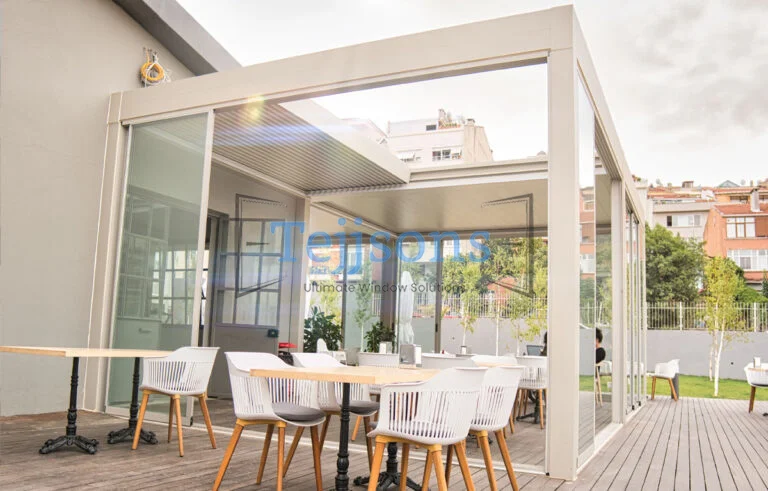
Installing an aluminium pergola can change how your outdoor area looks and functions, but planning plays a big role in how well the final setup works for your lifestyle. Every detail matters, from shade needs to layout and long-term upkeep. A little preparation helps you build a structure that feels balanced, practical, and visually clean.
- Check Space Measurements Carefully: Confirm the usable floor area before finalising any aluminium pergola design for your terrace or garden.
- Study Sun and Wind Direction: Understand how light and airflow move across your space to plan shade and comfort.
- Match the Structure to Outdoor Use: Pick a layout that supports the way you plan to use your seating or dining zone.
- Choose a Roof Style That Fits Your Climate: Select louvred or fixed styles based on rainfall, sunlight, and heat levels.
- Account for Furniture Layout: Leave enough clearance for movement so your seating arrangement feels free and open.
- Plan Lighting and Electrical Points Early: Add power, ambient lighting, or motor points during the initial layout stage.
- Check for Drainage and Water Flow: Make sure the ground slope and outlets allow smooth water movement during rain.
- Confirm Local Guidelines for Outdoor Structures: Some locations need basic approvals for a terrace pergola or garden pergola setup.
- Choose a Reputable Manufacturer: A trusted pergola manufacturer will be able to provide precise guidance and select high-quality materials as per your requirements.
Good planning sets the tone for a smooth aluminium pergola installation and helps you create an outdoor space that feels organised, calm, and functional.
Final Thoughts
An aluminium pergola does more than frame an outdoor corner. It shapes how the space feels, how it breathes, and how you use it through different seasons. The clean lines, strong structure, and low-maintenance finish make it a practical addition to terraces, gardens, courtyards, and café patios. It supports modern living where comfort and visual clarity matter as much as durability.
A well-planned modern pergola design also brings balance to busy routines. You get a shaded area for daily use, a relaxed zone for hosting, and a functional layout that adapts to weather changes. With the right size, roof style, and add-ons, your pergola becomes a long-term upgrade that adds value, comfort, and character to your outdoor space.
If you’re planning an upgrade and want guidance on structure, layout, or sizing, reach out to the Tejjsons team. We help homeowners and businesses choose the right aluminium pergola based on climate, design goals, and everyday use.
FAQs
1. Is aluminium a good material for a pergola?
Yes. Aluminium performs well in heat, rain, and daily use. It does not rust, warp, or crack, which makes it stronger than wood or steel for long-term outdoor structures. A contemporary outdoor pergola made from aluminium also keeps its colour and shape for years with minimal maintenance.
2. Does an aluminium pergola require maintenance?
Maintenance is very low. A quick wash with water and mild soap keeps the surface clean. Aluminium does not need repainting or polishing. This makes it easier to maintain than timber structures. Regular cleaning of gutters and louvers helps any motorised pergola work smoothly.
3. Are aluminium pergolas durable long-term?
Yes. Aluminium pergola stays stable even in extreme temperatures. It does not absorb moisture, which protects the frame from expansion or decay. Powder-coated finishes stay bright and scratch-resistant for many years.
4. Is an aluminium pergola suitable for all weather conditions?
Yes, the aluminium pergola performs well across seasons. It handles strong sun without fading, heavy rain without swelling, and wind without distortion. A garden pergola or terrace pergola made from aluminium stays dependable throughout the year, especially when paired with proper drainage and shading options.