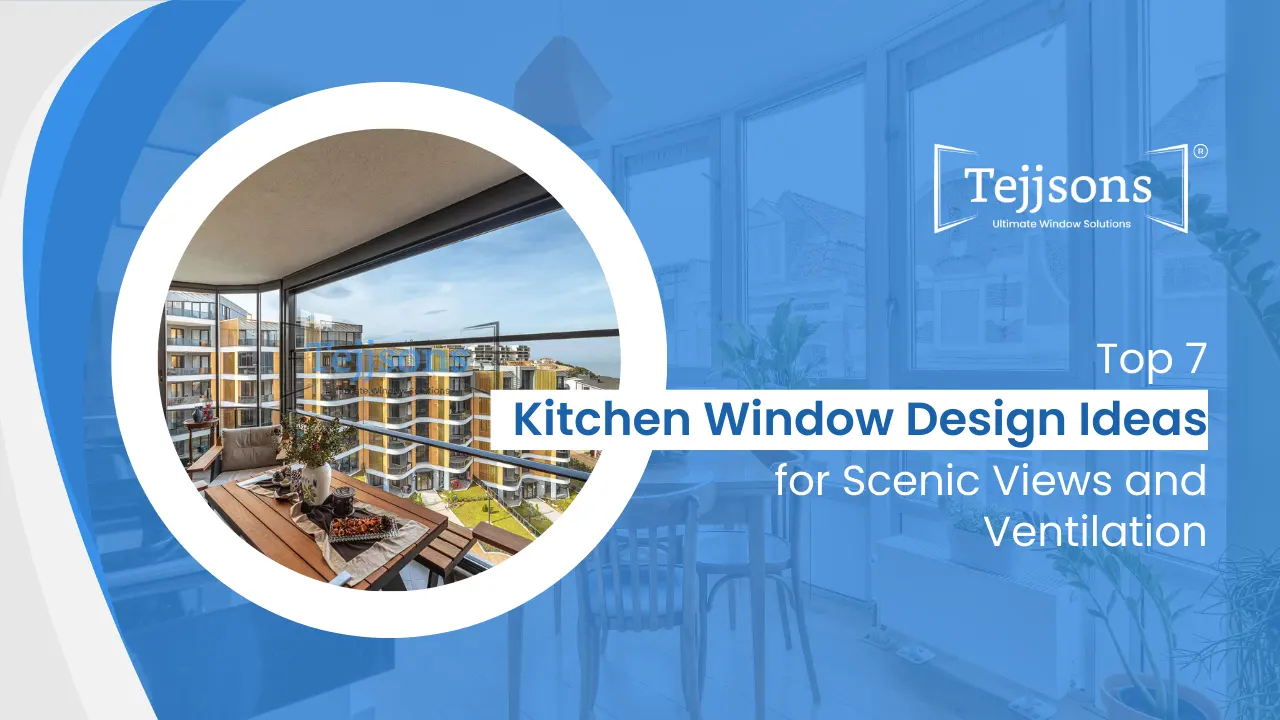
The kitchen is no longer a closed utility corner of the house. It is a social space, a design highlight, and in many homes, the most used room every single day. That is why choosing the right kitchen window design ideas matters more than most people realize. A well-planned window changes how your kitchen feels, how air moves inside it, and how much natural light enters throughout the day.
In Indian homes especially, ventilation plays a critical role. Cooking generates heat, moisture, and strong aromas. Poor airflow leads to discomfort and long-term maintenance issues. The right kitchen window design solves this at the planning stage itself. It supports cross ventilation, improves daylight penetration, and creates a direct visual link to the outdoors.
Today, homeowners are moving beyond basic square openings. The kitchen window design’s latest trends include wider glass panels, slimmer aluminium frames, and layouts that frame scenic views. From compact apartments to spacious villas, the demand for natural light and effective airflow is growing steadily. Whether it is a compact Indian kitchen window design or a large open-plan layout, the goal remains the same: bright interiors, clean air circulation, and strong visual appeal.
In this guide, we break down practical and performance-driven kitchen window ideas that support ventilation, durability, and modern aesthetics without compromising functionality.
Table of Contents
7 Kitchen Window Design Ideas for Scenic Views and Good Ventilation
Choosing the right window style for a kitchen is both a design and performance decision. Kitchens generate heat, steam, and strong aromas every day. Poorly planned openings trap this inside. The right kitchen window design ideas improve airflow, bring in daylight, and create a visual connection to the outdoors. Below are seven practical and high-performance options that work well in Indian homes and modern architectural layouts.
1. Sliding Kitchen Windows
Among all kitchen window types, sliding formats remain one of the most practical. Sliding kitchen windows move horizontally along a track, which makes them ideal for kitchens with limited interior space. They do not interfere with countertops or storage units placed below the sill. When designed with larger glass panels and slim frames, they also support wide external views. These windows are easy to operate while cooking and work well in both compact apartments and modern villas.
2. Casement Kitchen Windows
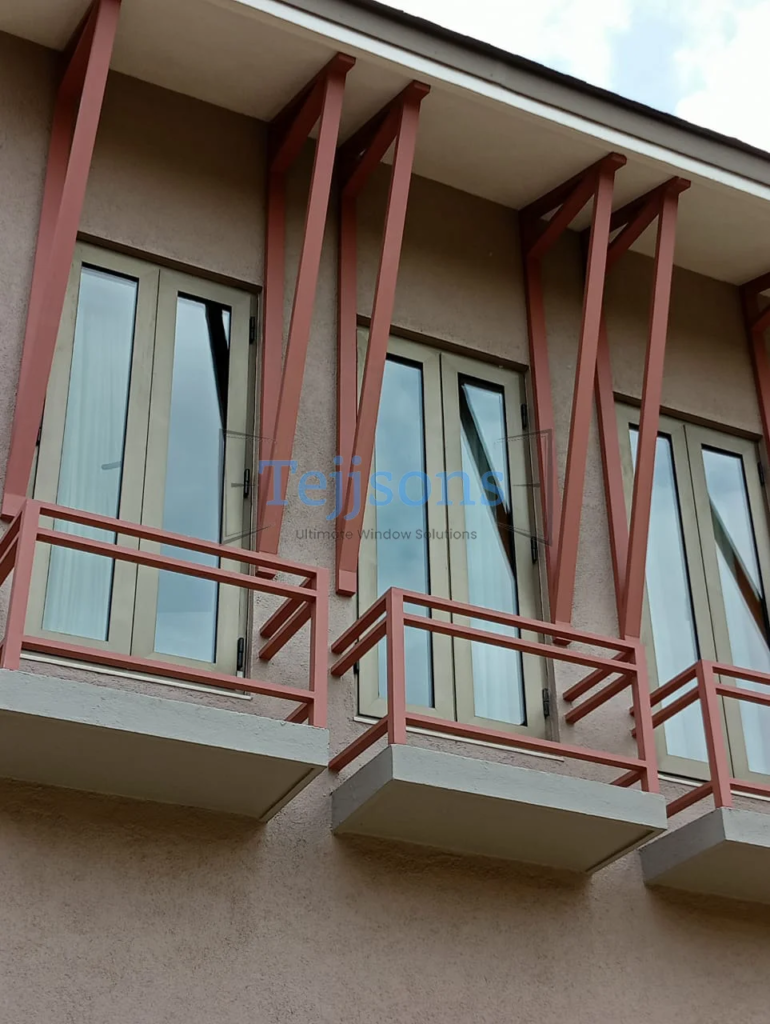
Casement kitchen windows are hinged at the side and open outward. This design allows a larger opening angle than many other formats, which supports stronger airflow in the kitchen. When positioned strategically, they help create effective cross ventilation. They are often considered one of the best kitchen window designs for ventilation options in homes where airflow is a priority. Their clean rectangular form also blends well with both traditional and modern kitchen window designs.
You May Also Read: Why To Choose Casement Windows for your Next Project
3. Awning Kitchen Windows
Awning kitchen windows, or top-hung kitchen windows, are hinged at the top and open outward from the bottom. This makes them particularly useful in areas where ventilation is needed even during light rain. The outward tilt creates a small protective angle at the top edge, which allows airflow without direct water entry. In kitchens facing balconies or side setbacks, this format supports continuous ventilation. They are frequently used in modular layouts and work well as part of a modular kitchen window design strategy.
4. Louvered Kitchen Windows
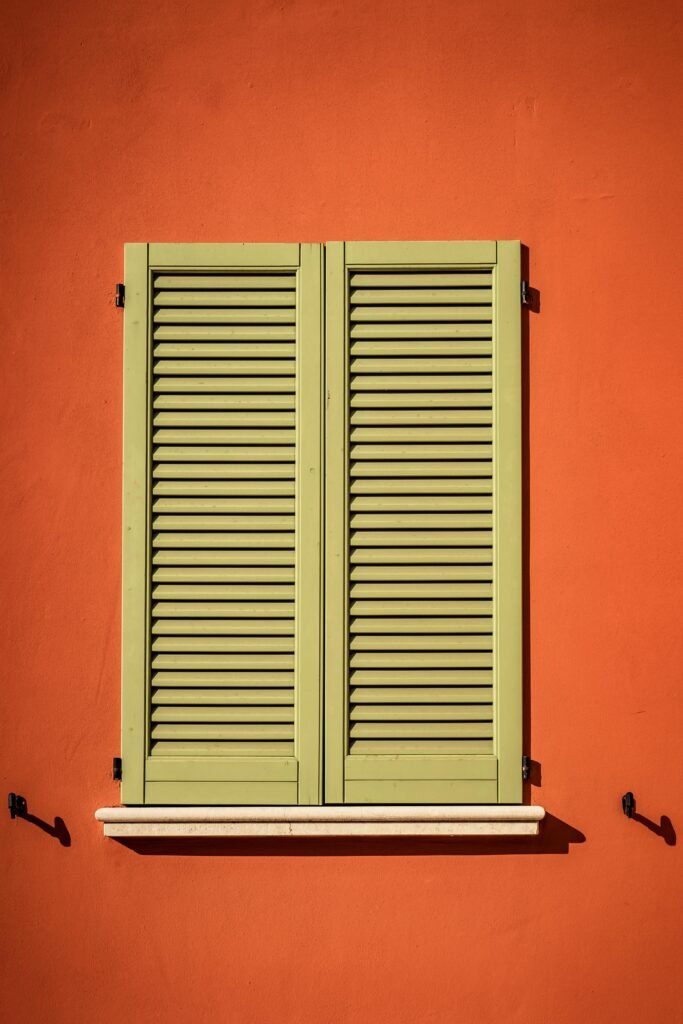
For homes in warmer regions, louvered kitchen windows provide controlled airflow. The adjustable horizontal slats let residents to regulate the amount of air entering the space. This design works well in service areas or kitchens that require consistent ventilation throughout the day.
While they may not provide wide scenic views, they remain practical for kitchens that prioritise airflow over visual openness. They are often selected for compact urban homes where airflow is essential. If you want to maintain the advantage of a view, consider motorized integral blinds for windows.
5. French Kitchen Windows
French windows bring symmetry and openness into kitchen spaces that overlook gardens, terraces, or internal courtyards. These windows typically feature two panels that open outward from the centre, creating a wide and inviting opening. In homes where ventilation is important, this format supports strong airflow when both shutters are opened fully.
Homeowners who want clear outdoor views often prefer this layout because it opens up the kitchen visually while keeping the elevation well proportioned. Among different kitchen window styles, French formats suit both classic villas and refined modern homes that want character without heaviness.
6. Arched Kitchen Windows
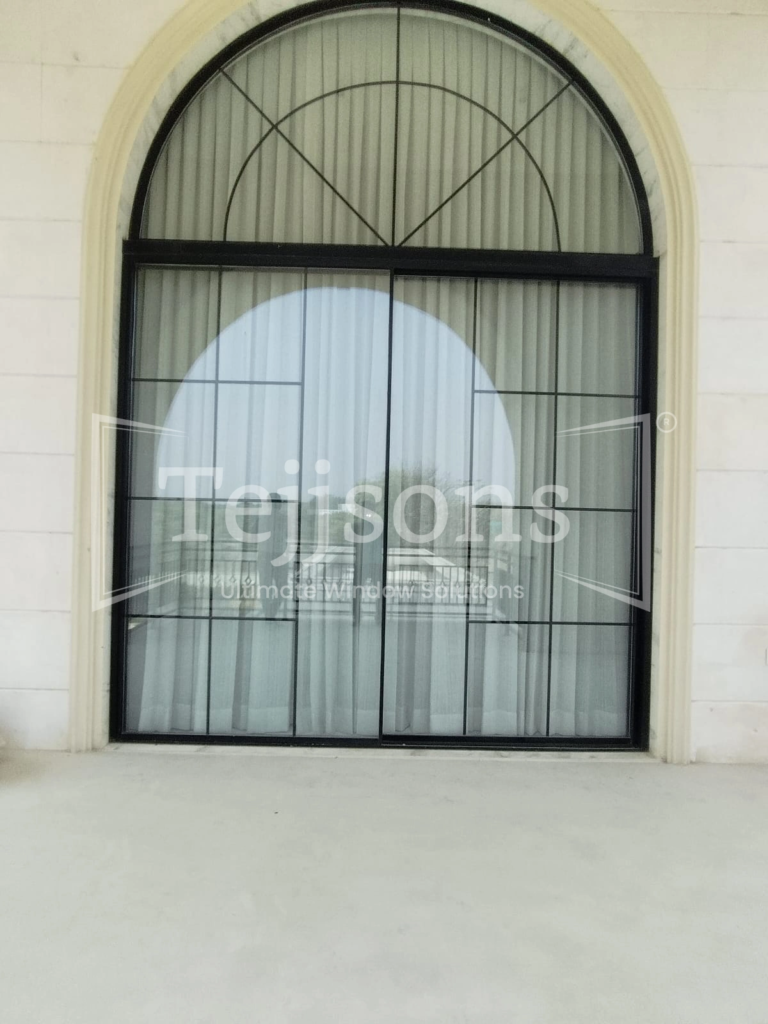
In heritage hotels, arched windows add a softer architectural detail to the kitchen wall. The curve breaks the sharp lines that most kitchens have, so the space feels warmer and more designed. Arched glazing also frames outdoor scenery in a more elegant way, which works well when the kitchen faces a garden, courtyard, or open view. With the right opening mechanism paired alongside, the window can support airflow too. This style suits classic Indian homes as well as modern villas that want one strong visual feature.
You May also Read: 10 Modern Arched Window Design Ideas For A Classy House
7. Slim-Frame Aluminium Windows
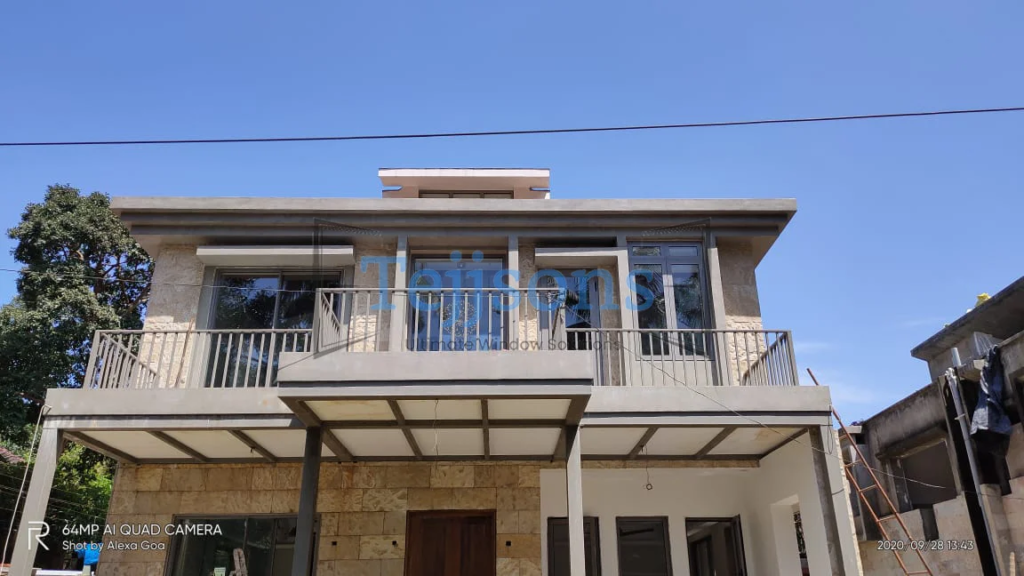
Minimal frame profiles are becoming popular in contemporary homes. Slim-frame kitchen windows increase visible glass area while maintaining structural stability. Aluminium profiles support this design direction effectively, which is why many architects specify aluminium kitchen windows for modern layouts.
These frames resist warping and perform well in humid cooking environments. For homeowners seeking durable kitchen windows with a refined appearance, this approach delivers both strength and clean visual lines.
Read Next: Why Ultra Slimline Aluminum Windows Are the First Choice for Luxury Architects
Key Factors to Consider Before Choosing Kitchen Windows Designs
Selecting the right kitchen window design requires more than visual preference. Kitchens operate under heat, moisture, and frequent daily use. The window must perform consistently in this environment. Poor planning leads to trapped steam, limited airflow, and long-term maintenance concerns. The following factors should be reviewed carefully before finalising any kitchen window designs for a home.
- Ventilation Capacity: The opening style must support effective air circulation, especially in Indian cooking environments where heat and moisture levels are high.
- Window Position and Height: Sill height should align with countertop levels while still facilitating practical opening and easy access.
- Frame Material Performance: Moisture-resistant materials like aluminium perform better in humid kitchen conditions.
- Glazing Selection: The type of glass used in a home’s windows influences heat control, clarity, and light quality inside the kitchen.
- Ease of Operation: Daily cooking routines require windows that open and close smoothly without obstruction from cabinets or appliances.
- Safety and Security Needs: Ground-floor kitchens may require reinforced locking systems and secure glazing.
- Long-term Durability: Choosing durable kitchen windows reduces the need for frequent kitchen window replacement.
Careful evaluation at the planning stage protects comfort, performance, and investment value over time.
Glass Options for Better Ventilation and Scenic Views
Glass selection plays a direct role in how comfortable and visually open a kitchen feels. While airflow depends on the window mechanism, the glazing type influences heat control, clarity, glare management, and long-term durability. In kitchens that receive strong sunlight or face open landscapes, the right glass improves both comfort and viewing quality. For homes that prioritise kitchen windows for natural light, careful glass selection is essential.
- Clear Toughened Glass: This option provides maximum transparency and strength, which makes it suitable for kitchens that overlook gardens, terraces, or open surroundings.
- Smart Glass: Privacy-focused smart glass switches from clear to opaque in less than a second and blocks the harshest glare.
- Double-glazed Glass: Double-glazed kitchen windows feature two glass panes separated by an air gap. They improve thermal insulation and support energy efficiency in warmer climates.
- Low Emissivity Glass: A specialised coating reduces excessive solar heat entry while maintaining brightness inside the kitchen throughout the day.
- Frosted or Patterned Glass: This type maintains privacy in closely spaced urban homes without significantly reducing daylight entry.
- Tinted Glass: Coloured glazing helps manage glare in west-facing kitchens that receive strong afternoon sunlight.
Is Aluminium The Right Material For Kitchen Windows?
Material selection directly affects performance inside a kitchen. Heat, steam, oil vapour, and constant usage demand a frame that remains stable over time. In this environment, aluminium kitchen windows perform reliably because the material does not swell, crack, or weaken due to moisture exposure. Its structural strength supports slim profiles, which is why it fits well within modern kitchen window designs that prioritise clean lines and larger glass areas.
Here is how aluminium performs in real kitchen conditions:
- Resistant to moisture and humidity that typically affect wooden frames.
- Maintains structural alignment even under repeated daily opening and closing.
- Supports slim-frame kitchen windows that increase visible glass area.
- Handles larger glazing panels without bending or sagging.
- Performs well in coastal or high-humidity regions.
In homes that require long service life, aluminium stands out among different kitchen window types because it combines durability with a refined appearance. It is also compatible with double glazing and advanced hardware systems, which support long-term functionality.
Read Next: A Complete Buyer’s Guide For Aluminium Windows In India
Maintenance and Cleaning Tips For Kitchen Windows
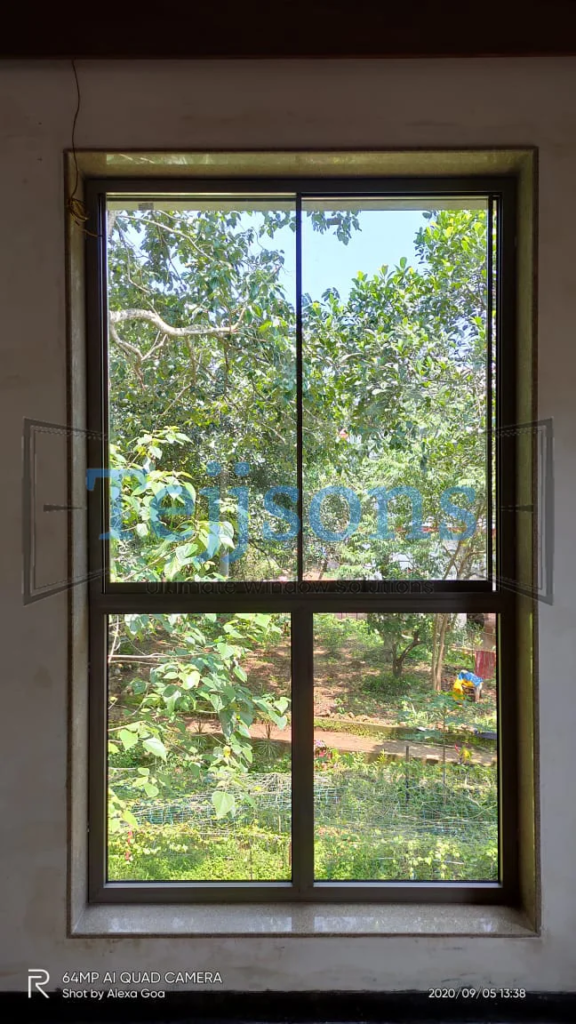
Kitchen windows operate in one of the toughest environments inside a home. Heat, steam, oil particles, and dust settle on frames and glass every day. Without regular care, tracks collect debris and hardware movement becomes stiff. Proper maintenance protects the performance of your kitchen window design and reduces the need for early kitchen window replacement. A simple and consistent cleaning routine keeps sturdy aluminium windows functioning smoothly for years.
Some ways to make sure your kitchen windows stay in the best condition:
- Clean Glass Surfaces Weekly: Remove oil residue and cooking vapour buildup to maintain clarity and healthy light flow.
- Clear Tracks and Drainage Channels: Dust and food particles inside sliding tracks affect smooth movement over time.
- Use Mild Cleaning Solutions Only: Harsh chemicals can damage finishes on aluminium kitchen windows and reduce surface life.
- Inspect Locks and Hinges Regularly: Confirm that hardware components engage properly and operate without resistance.
- Check Rubber Seals and Gaskets: Intact sealing supports airflow control and maintains comfort inside the kitchen.
- Wipe Frames After Heavy Cooking: Frequent surface cleaning prevents grease buildup along profile edges.
Consistent upkeep keeps both ventilation performance and visual appeal intact, especially in kitchens that rely on daily airflow and natural light.
Kitchen Windows Placement Ideas
Window placement in a kitchen decides how effectively air moves and how comfortably the space functions. The wrong location traps heat near the cooking zone. The right location supports airflow, improves daylight distribution, and frames the right outdoor view. Placement should always respond to layout, appliance positioning, and wall availability.
The most popular kitchen placement ideas include:
- Above the Sink Area: Provides steady daylight for daily tasks while keeping countertop and storage planning fully functional.
- Opposite the Main Entry or Balcony Door: Supports natural cross ventilation and pushes cooking heat outward more effectively.
- Slightly Offset from the Cooking Hob: Reduces direct grease exposure while still assisting with airflow movement.
- Facing a Garden or Open Setback: Frames outdoor greenery and improves visual comfort during long cooking hours.
- Higher Clerestory Position in Compact Kitchens: Maintains ventilation without interrupting cabinetry or wall-mounted storage planning.
In villas, combining two smaller openings often improves airflow more efficiently than one oversized window. In apartments, carefully positioned motorized sliding kitchen windows near balconies help circulate air across the entire kitchen zone.
Why Choose Tejjsons For Kitchen Windows
Kitchen windows demand precision manufacturing and durable materials. The frame must resist humidity. The hardware must handle daily use. The finish must remain stable in a high-heat environment. Consulting a top window and door manufacturer is essential for windows that last for decades. At Tejjsons, our systems are engineered for real-world conditions.
Here is how our approach stands apart:
- We design aluminium kitchen windows with a strong profile geometry suited for humid and high-use areas.
- Our fabrication process maintains dimensional accuracy so panels align correctly during installation.
- We use hardware systems built for repeated daily opening without movement imbalance.
- Our surface finishes are developed for long-term durability in Indian climate conditions.
- We customise layouts to match architectural drawings and planned kitchen window placement ideas.
- We guide clients in selecting glazing for energy-efficient kitchen windows exposed to direct sunlight.
When kitchens require durability, airflow control, and refined design language, Tejjsons delivers systems built with technical clarity and long-term reliability.

Conclusion
The right kitchen window design ideas change how a kitchen feels and functions every single day. Good ventilation keeps the space fresh. Proper daylight improves comfort and reduces dependence on artificial lighting. Strong frame materials support long-term durability in high heat and humid conditions. When placement, glass selection, and material quality are planned together, the result is a kitchen that feels open, bright, and efficient.
From compact apartments to large villas, the success of any kitchen window design lies in thoughtful planning and precise execution. The window should align with your layout, support airflow, and frame the right outdoor view. Performance matters as much as appearance. A well-specified system adds value to the home and supports daily comfort for years.
At Tejjsons, we manufacture aluminium kitchen windows built for real-world use. Our systems combine structural strength, smooth operation, and refined aesthetics suited for modern Indian homes. If you are planning a new kitchen or upgrading an existing one, choosing the right window system at the design stage will directly influence comfort, ventilation, and long-term performance.
Get a quote today and finalize your ideal kitchen window system with confidence.
FAQs
Are premium aluminium windows good for kitchens?
Yes, premium aluminium kitchen windows perform well in kitchens because aluminium resists moisture, heat, and daily wear. It does not swell or weaken in humid cooking environments. When paired with proper glazing, these windows support both ventilation and durability. Many homeowners prefer aluminium for long-term reliability and low maintenance performance.
What is the ideal size for a kitchen window?
The ideal size depends on kitchen layout, wall availability, and ventilation needs. Larger openings improve airflow and daylight, especially in homes that prioritize kitchen windows for natural light. In compact apartments, moderate-sized sliding kitchen windows placed strategically often deliver a better balance between ventilation and cabinetry planning.
What type of glass is best for kitchen windows?
Toughened glass is commonly used for safety and durability. For improved insulation, double-glazed kitchen windows help manage heat and support energy-efficiency. In sun-exposed kitchens, tinted or low-emissivity glass reduces glare while maintaining brightness inside the space.
How can I get top-quality kitchen windows?
Work with an experienced manufacturer that specialises in durable materials and precise fabrication. Tejjsons manufactures high-performance aluminium kitchen windows tailored to your layout, ventilation needs, and overall kitchen window design requirements.