Have you ever walked into a room and immediately felt it was too hot, too dark, or poorly ventilated? Many people blame the layout, furniture, or orientation of the building. In reality, the problem often starts with the windows. A poor window choice can affect comfort, airflow, natural light, privacy, and even the way a space connects with the outdoors.
Many of these issues begin with details that seem minor at the time of purchase. The frame may not suit the room. The opening direction may feel awkward. The glass may not cut heat or outside noise the way the space requires. These considerations become especially important when selecting casement windows, one of the most widely used window styles in residential and commercial projects. That is why buying casement windows should never depend on appearance alone.
This casement window buying guide covers eight important factors to review before you make a final decision. It will help you compare practical details, understand long-term value, and choose the best casement windows for your project with better clarity.
Key Takeaways
- Casement windows should be selected based on performance, not appearance alone.
- Frame material affects durability, maintenance, and long-term value.
- Aluminium casement windows suit many modern residential and commercial projects.
- Ventilation, security, glass quality, and installation all influence window performance.
- A clear casement window buying guide can help buyers avoid costly selection mistakes.
- The best casement windows should match the space, design intent, and daily usage needs.
Table of Contents
8 Main Things You Should Consider Before Buying Casement Windows
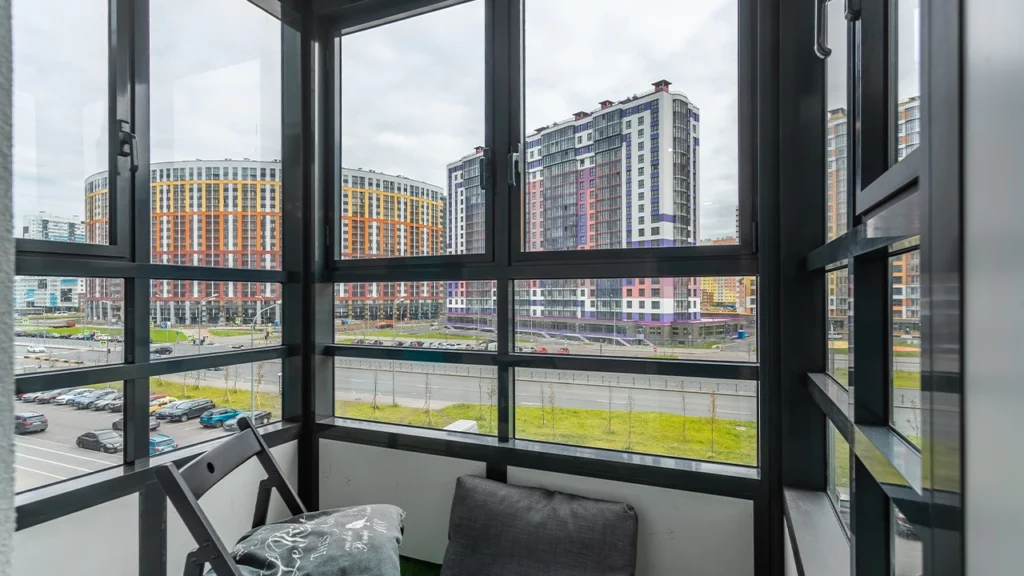
Not all casement windows perform the same way. Two windows may look similar at first glance, yet differ significantly in ventilation, durability, security, maintenance requirements, and long-term value. Taking time to evaluate a few key factors before making a decision can help you avoid costly compromises later.
1. Choose the Right Casement Window Style
The first step in buying casement windows is choosing a configuration that suits the space. Single casement windows, French casement windows, flush casement windows, tilt and turn systems, and top-hung variants all serve different purposes. A window that works well in a compact office may not suit a large living area, hospitality project, or luxury villa.
Before making a selection, consider:
- Room size
- Ventilation requirements
- Opening direction
- Available wall space
- Architectural style
The right configuration should complement both the function and appearance of the space.
2. Select the Best Frame Material
Frame material influences durability, appearance, maintenance requirements, and overall performance. Wood, uPVC, steel, and aluminium are common choices, each with distinct characteristics. However, many architects and designers specify aluminium casement windows because aluminium can support slim profiles and contemporary aesthetics while accommodating larger window dimensions.
When comparing materials, evaluate:
- Structural strength
- Corrosion resistance
- Maintenance needs
- Design flexibility
- Finish options
Aluminium is often the preferred choice because of its longevity, low maintenance needs, and variety of finishes.
You May Also Read: Aluminium Windows vs Wooden Windows: Which One Is Best for Your Home
3. Consider Ventilation Requirements
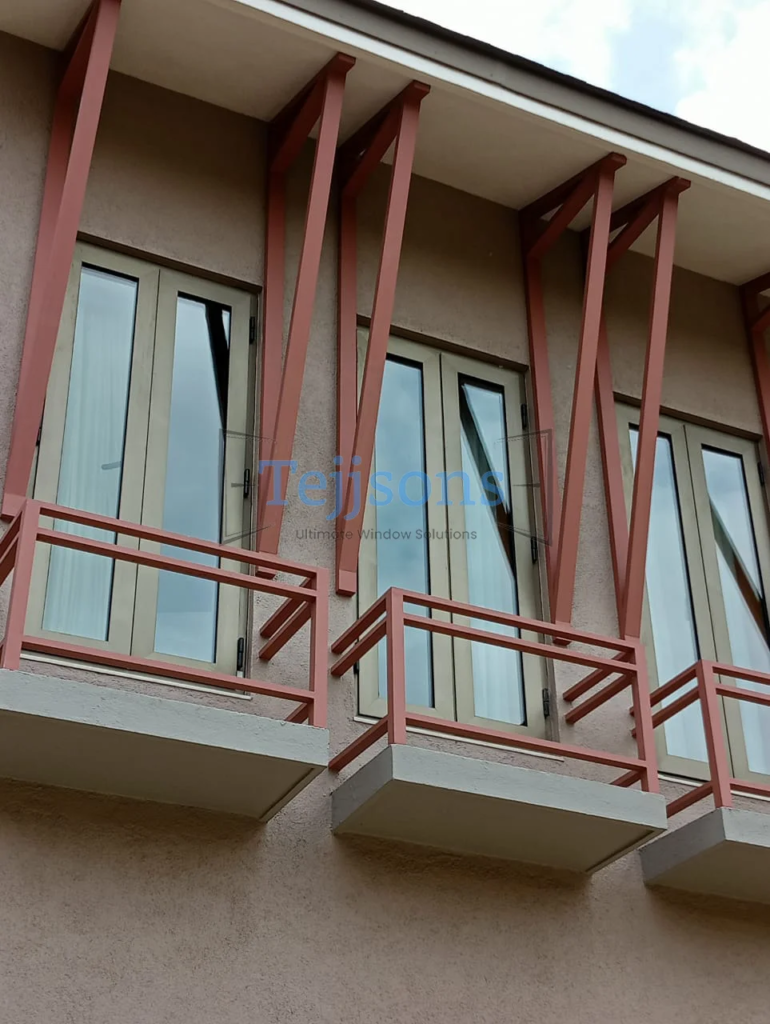
One of the main reasons people choose casement windows is their ability to support airflow. Different opening styles can influence how air enters and circulates through a room. A window that faces prevailing winds may perform differently from one installed in a sheltered location.
Ask yourself:
- How much airflow does the space need?
- Will the window be used frequently?
- Does the room require cross-ventilation?
- Are there exterior obstructions nearby?
These factors can help determine the most suitable configuration.
You May Also Read: How Aluminium Windows Improve Natural Ventilation in Modern & Luxury Homes
4. Check Energy Efficiency Performance
Window performance extends beyond ventilation and aesthetics. Glass specifications, frame quality, weather sealing, and installation standards all contribute to thermal performance. Selecting appropriate glazing can help control heat transfer and improve indoor comfort.
When reviewing specifications, discuss:
- Glass options
- Seal quality
- Frame construction
- Climate conditions
- Project requirements
Performance should always be evaluated as a complete system rather than a single component.
5. Evaluate Security Features
Security should be part of the selection process from the beginning. The strength of a window depends on several factors, including locking systems, frame construction, hardware quality, and glazing specifications. A well-designed aluminium window system should align with the security expectations of the property.
Important considerations include:
- Multi-point locking systems
- Hardware quality
- Frame strength
- Glass specifications
- Installation standards
Security requirements may vary between residential, hospitality, and commercial projects, so it is important to evaluate them within the context of the intended application.
6. Match the Window Design to Your Home
A window should feel like a natural part of the architecture, not an afterthought. The frame profile, proportions, finish, and opening style all influence the visual character of a building. A bulky frame may look out of place in a contemporary villa, while an ultra-minimal window profile may not suit a more traditional design language.
Before finalising a specification, consider:
- Architectural style
- Façade design
- Interior aesthetics
- Window proportions
- Frame finishes
Well-selected modern casement window designs can contribute to a more cohesive appearance across both interior and exterior spaces.
7. Understand Maintenance and Lifespan
Every window system requires some level of maintenance throughout its lifespan. The amount of upkeep depends on factors such as frame material, hardware quality, environmental conditions, and frequency of use. Understanding these requirements before purchase can help avoid unexpected costs and operational issues later.
Key questions to ask include:
- How often should hardware be inspected?
- What cleaning methods are recommended?
- Are replacement parts readily available?
- What warranty coverage is provided?
- What maintenance is required to preserve performance?
These discussions can provide a clearer picture of the long-term ownership experience.
At Tejjsons our motto is to deliver the most advanced window systems in the country. That’s why our motorized windows & doors are a popular choice for homes and commercial spaces alike.
8. Compare Cost vs Long-Term Value
Price is important, but it should not be the only deciding factor. A lower upfront cost may not always represent the best investment if the product requires frequent maintenance, early replacement, or compromises on functionality. At the same time, the most expensive option is not automatically the right choice for every project.
When comparing window systems, review:
- Initial purchase cost
- Installation requirements
- Maintenance expectations
- Product warranty
- Material quality
- Long-term performance
A balanced evaluation often leads to better decisions than focusing exclusively on price. Rather than focusing on price alone, look for casement windows that provide lasting value throughout their lifespan.
You May Also Read: Casement Windows vs Sliding Windows: Which One is Better for Luxury Homes?
How Tejjsons Guides You Toward the Best Casement Windows
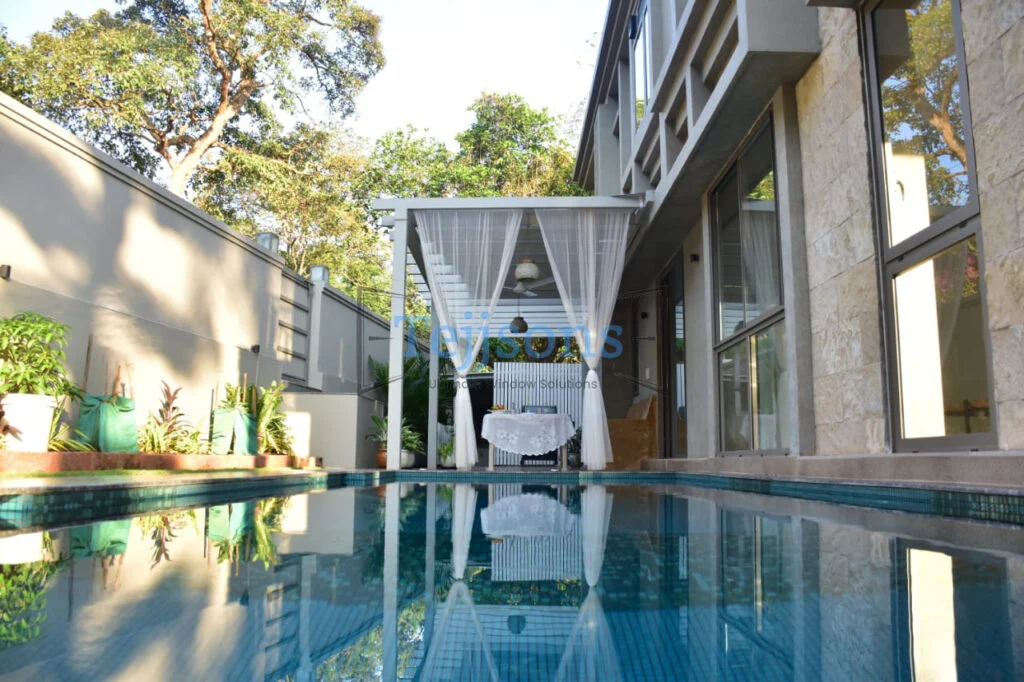
Selecting the best casement windows requires a clear understanding of the space, window size, frame material, glass requirements, opening direction, and design expectations. Any skilled aluminium window manufacturer will tell you that a good window system should feel natural in daily use and match the architectural language of the property.
Tejjsons supports this selection process through product guidance based on practical and design-specific factors:
- Window style: We help you compare suitable configurations based on room layout, usage, and opening direction.
- Frame material: Our team explains where aluminium casement windows can suit modern architectural requirements.
- Glass selection: We discuss glass choices based on heat control, noise reduction, privacy, and natural light.
- Design coordination: We help match frame profiles, finishes, and proportions with the interior and exterior design.
- Installation planning: Our team reviews site requirements so the casement window installation process can be planned with better clarity.
- Long-term value: We help you compare product choices based on durability, maintenance, and everyday performance.
The right guidance can make the decision easier, especially for projects where comfort, appearance, and long-term usability all matter. With Tejjsons, buying casement windows becomes a planned design decision rather than a rushed product selection.
Ready to compare your options? Request a quote and explore casement windows that suit your project’s design and performance needs.
Final Thoughts
The decision to invest in casement windows often stays with a building for decades. What seems like a simple product choice can influence ventilation, natural light, comfort, maintenance requirements, and the overall experience of a space. That is why it is important to look beyond appearances and evaluate how the window will perform in day-to-day use.
The best casement windows are those that respond to the specific needs of the project rather than following a trend or price point alone. A window that performs well in a luxury villa may not be the right fit for an office, hospitality project, or urban residence.
By considering the eight factors discussed in this guide, buyers can make better-informed decisions and approach the selection process with greater confidence. The result is a window system that supports both the design vision and the practical demands of the space.