Modern homes and commercial spaces are no longer limited to closed interiors. Balconies, patios, verandahs, and large windows have become everyday living areas, making it important to choose the right shading solution. This is where the comparison between zip screens vs traditional blinds often comes in.
While both offer privacy and light control, they are designed for very different environments and needs. Understanding how each option works, where it performs best, and what value it offers helps homeowners, architects, and business owners make a confident decision.
This guide breaks down the key differences to help you choose what truly suits your modern space.
Key Takeaways
- ZIP screens vs traditional blinds are designed for different spaces and should not be treated as the same solution.
- ZIP Screens are better suited for balconies, patios, verandahs, and other areas exposed to outdoor conditions.
- Traditional blinds are well-suited for indoor spaces where basic light control and privacy are the primary needs.
- ZIP Screens offer additional benefits, including wind stability, insect protection, and airflow for outdoor living.
- Traditional blinds are usually more affordable upfront and easier to install for interior use.
- Choosing the right option depends on how the space is used, not just on appearance or cost.
Table of Contents
What Are ZIP Screens?
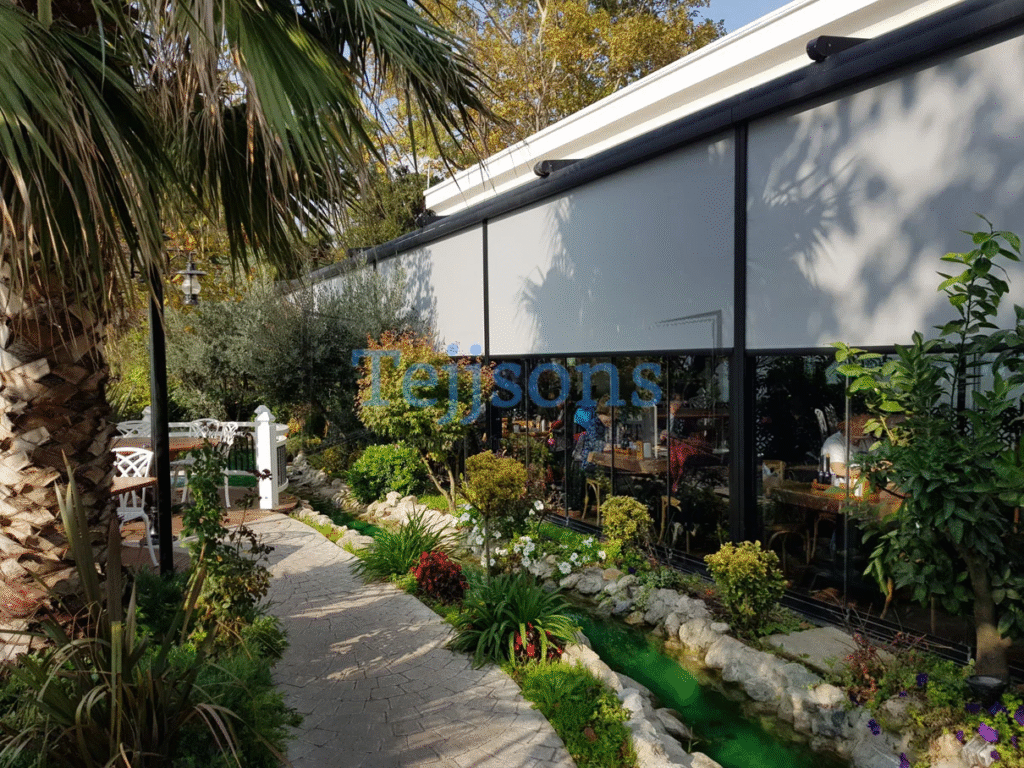
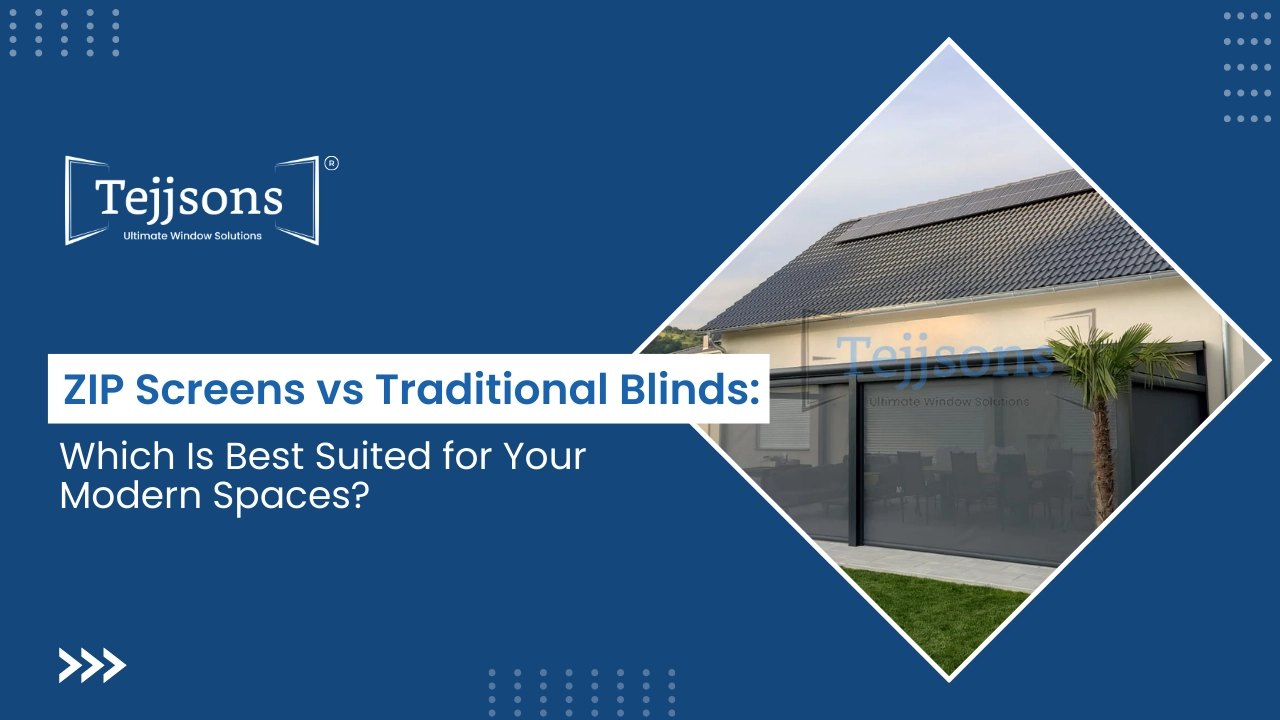
ZIP Screens are motorised, zip-guided outdoor screen systems designed for semi-outdoor zones that connect indoor comfort with open-air living. The screen fabric is secured within side tracks using a zip mechanism that keeps it tight and stable, even in wind or changing weather. This design prevents the screen from flapping, sagging, or leaving gaps.
Because of this structure, zip screens are well-suited for balconies, verandahs, patios, pergolas system, and large window openings. They are commonly used in modern homes and luxury spaces where comfort and openness must coexist.
ZIP Screens offer:
- Effective sun control without completely blocking natural light.
- Privacy while still allowing outward visibility.
- Insect protection by acting as a physical barrier against mosquitoes.
- Airflow helps spaces feel open rather than enclosed.
Operated efficiently with a remote or wall switch, ZIP Screens help transform exposed outdoor areas into comfortable, usable spaces that can be enjoyed year-round.
Their ability to combine protection, openness, and design has made ZIP Screens a popular choice for enhancing outdoor living spaces without permanent structural changes.
What Are Traditional Blinds?
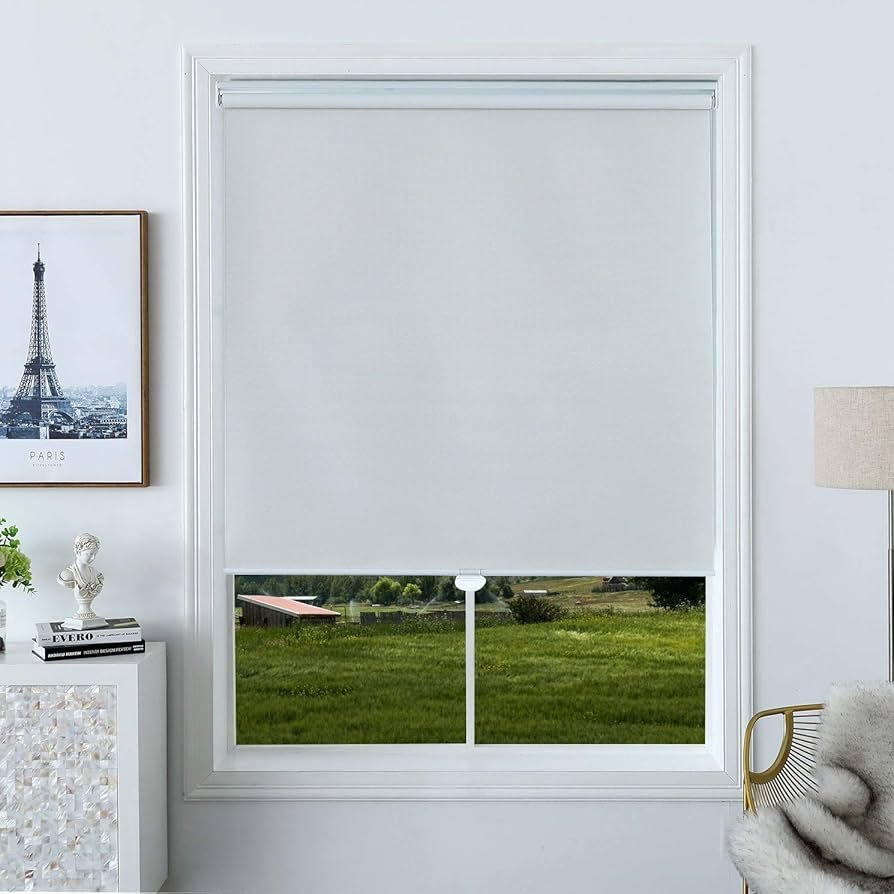
Traditional blinds are standard window coverings used mainly inside homes and commercial interiors. Common types include roller blinds, Venetian blinds, vertical blinds, and fabric-based systems that hang freely or function using slats and rollers.
Their primary purpose is to:
- Control sunlight and glare.
- Provide privacy.
- Support interior comfort in enclosed rooms.
Traditional blinds are best suited for bedrooms, living rooms, offices, and meeting spaces that are not exposed to wind, rain, or moisture. Since they are designed for indoor use, they are not suitable for outdoor conditions.
While traditional blinds are available in a wide variety of styles, colours, and price ranges, their functionality remains focused on indoor shading. They are practical for interior spaces but are not intended for balconies, patios, or semi-open areas.
Why They’re Often Compared (But Not the Same Thing)
ZIP Screens and traditional blinds are often grouped because both control sunlight and privacy. However, they are built for entirely different environments. ZIP Screens are engineered to remain stable in semi-open areas exposed to wind, insects, and weather, while traditional blinds focus on indoor comfort and décor flexibility.
Pros and Cons of ZIP Screens
ZIP Screens are designed for modern spaces where outdoor comfort, durability, and long-term performance matter.
Pros of ZIP Screens
1. Designed for Outdoor Use
Zip screens are engineered explicitly for balconies, verandahs, patios, and other semi-open areas. They perform reliably in spaces exposed to sunlight, wind, and changing weather conditions.
2. High Wind Resistance
Zip screen blinds use a zip-guided mechanism that locks the fabric firmly into side tracks. This prevents flapping, billowing, or shifting even during strong winds.
3. All-Weather Protection
One of the key pros of zip screens is their ability to reduce heat by blocking harsh sunlight while allowing airflow. This can also improve indoor temperature control and reduce cooling costs.
You may also read: How Zip Blinds Can Slash Your Energy Bills
4. Insect Protection
Zip screens are an effective barrier against mosquitoes and other insects. This makes them especially useful for outdoor seating and living areas.
5. Motorised Convenience
Most zip screen blinds operate using a motorised system controlled by a remote or wall switch. This makes daily operation smooth and convenient, even for large openings.
6. Modern Architectural Look
ZIP Screens integrate seamlessly into contemporary architecture, featuring concealed tracks and custom finishes. They enhance modern homes and commercial spaces without visual clutter.
Cons of ZIP Screens
1. Higher Initial Cost
One of the main cons of zip screens is the higher upfront investment compared to indoor blinds. Advanced materials, motorisation, and hardware influence the overall price.
2. Professional Installation Required
Zip screen systems require precise installation for proper tension and smooth movement. Professional fitting ensures long-term reliability and performance.
3. Not Always Needed Indoors
For small interior windows, zip screens may offer features that are not essential. In such cases, simpler indoor solutions can be more practical.
Pros and Cons of Traditional Blinds
Pros of Traditional Blinds
1. Cost-Effective Solution
One of the main pros of traditional blinds is their affordability. They are often chosen where controlling the cost of normal blinds is essential.
2. Wide Design Choices
Traditional blinds are available in multiple styles, fabrics, and colours. This flexibility helps match a variety of interior décor themes.
3. Easy Availability
Traditional blinds are widely available and can be installed quickly. This makes them suitable for projects with short timelines.
4. Simple Operation
Most traditional blinds operate manually or with basic motor systems. Their simplicity keeps usage and maintenance easy.
5. Suitable for Indoor Spaces
Traditional blinds are best suited for bedrooms, living rooms, offices, and meeting rooms. These spaces are protected from weather exposure.
Cons of Traditional Blinds
1. Not Suitable for Outdoor Use
One of the major cons of traditional blinds is that they are not designed for wind, rain, or moisture. Outdoor exposure can shorten their lifespan.
2. No Insect Protection
Traditional blinds do not provide any barrier against mosquitoes or insects. This limits their usefulness in balconies or open areas.
3. Lower Wind Stability
Free-hanging designs can sway or tangle near open windows. This affects both appearance and durability over time.
4. Limited Ventilation Control
Maintaining privacy often requires fully closing the blinds. This can reduce airflow and make spaces feel less open.
Cost Comparison: Initial Price vs Long-Term Value
Cost is often a deciding factor when comparing zip screens vs traditional blinds, but it’s important to look beyond the initial price and consider long-term value.
1. Initial Purchase Cost
The zip screen’s purchase cost is typically higher due to motorisation, zip-guided tracks, and outdoor-grade materials. Traditional blinds usually have a lower upfront cost, making them easier to fit within smaller budgets.
2. Installation Expenses
ZIP Screens typically require professional installation to ensure proper alignment and smooth operation. In comparison, traditional blinds cost less to install and can often be fitted quickly with minimal site preparation.
3. Durability and Lifespan
ZIP Screens are designed for outdoor and semi-outdoor use, which means they tend to last longer in exposed environments. Traditional blinds, while suitable indoors, may require replacement sooner when used in open or windy areas.
4. Maintenance and Repairs
ZIP Screens are made with weather-resistant fabrics that are easy to clean and maintain. Traditional blinds may have a lower cost initially, but frequent repairs or replacements can add to long-term expenses.
5. Long-Term Value
While ZIP Screens’ cost involves a higher upfront investment, they often deliver better value over time through durability, comfort, and extended usability of outdoor spaces. Traditional blinds offer good value for indoor use but provide limited long-term benefits in outdoor settings.
ZIP Screens vs Traditional Blinds : Proper Comparison Table
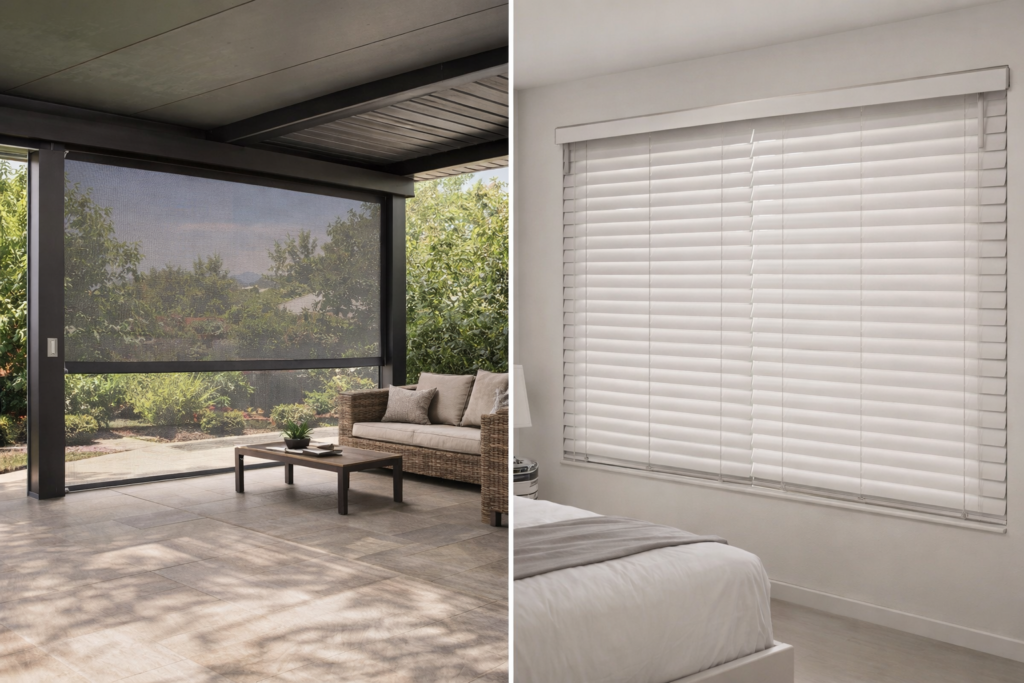
| Feature | ZIP Screens | Traditional Blinds |
|---|---|---|
| Best used for | Balconies, patios, verandahs, pergolas, large openings | Bedrooms, living rooms, offices, meeting rooms |
| Wind & weather | High stability due to zip-guided side tracks | Low stability near open windows or airflow |
| Insect protection | Yes, works as a physical barrier | No |
| Airflow with privacy | Allows airflow while maintaining daytime privacy | Airflow reduces when fully closed |
| Visibility | You can see out while reducing outside visibility (daytime) | Depends on the material; it often blocks the view when closed |
| Operation | Motorised (remote / switch options) | Manual or basic motorised options |
| Durability | Outdoor-grade materials for exposed conditions | Indoor durability only |
| Maintenance | Easy wipe-down; outdoor fabric designed for dust exposure | Fabric/slats may need frequent cleaning indoors |
| Cost approach | Higher upfront, stronger long-term value for outdoor use | Lower upfront, best value for indoor use |
In short, ZIP Screens are designed for modern outdoor living, while traditional blinds are better suited for indoor spaces.
When Should You Choose ZIP Screens?
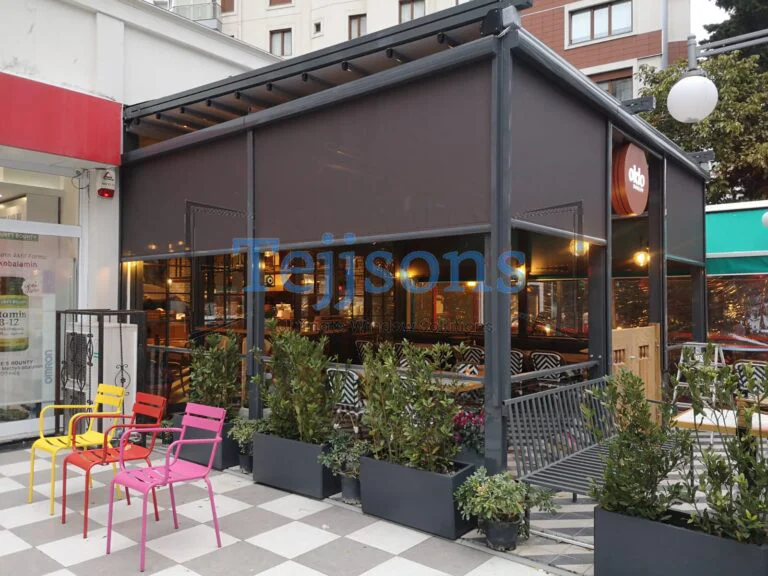
ZIP Screens are ideal for modern spaces that need protection, comfort, and flexibility. You should consider ZIP Screens if:
- Your space is exposed to weather: Balconies, verandahs, patios, and pergolas benefit from zip-guided outdoor protection.
- You want airflow with privacy: ZIP Screens allow fresh air in while reducing visibility from outside.
- Insect control is important: it helps keep mosquitoes and other insects out without completely closing the space.
- A modern, clean look matters: ZIP Screens blend well with contemporary architecture and outdoor designs.
- You want year-round usability: They help make outdoor areas comfortable across different seasons.
- Motorised operation is preferred: Easy control through a remote or switch adds everyday convenience.
Many homeowners and designers choose ZIP Screens not just for aesthetics, but for practical day-to-day benefits that improve usability. These key reasons homeowners choose ZIP Screens highlighted why they have become a preferred solution for modern outdoor spaces.
When Do Traditional Blinds Still Make Sense?
In the comparison, traditional blinds remain a sensible option for fully enclosed indoor spaces. They work well in bedrooms, living rooms, offices, and meeting areas where there is no exposure to wind, rain, or outdoor conditions.
They are also a practical choice when the main requirement is basic light control or privacy rather than all-weather performance. For interior spaces with limited ventilation needs or tighter budgets, traditional blinds often meet expectations without adding unnecessary features.
Which Is the Better Choice for Modern Spaces?

When comparing zip screens vs traditional blinds, the better choice depends on how the space is used. For indoor rooms such as bedrooms, living rooms, and offices, traditional blinds are usually enough. They provide basic light control and privacy without adding unnecessary features.
For spaces that are open or partly exposed to the outdoors, ZIP Screens are the more practical option. They manage sunlight, wind, and insects more effectively, making balconies and patios comfortable for regular use. In modern homes, the decision often comes down to whether the space is fully enclosed or intended for everyday use.
If you’d like help choosing the right solution for your space, feel free to contact us for personalised guidance.
FAQs (Frequently Asked Questions)
Q1. What Is The Main Difference Between ZIP Screens And Traditional Blinds?
The main difference between ZIP screens and traditional blinds is where and how they are used. ZIP Screens are designed for outdoor and semi-outdoor spaces and stay secured within side tracks, while traditional blinds are meant for indoor spaces and hang freely.
Q2. Are ZIP Screens Better Than Traditional Blinds For Outdoor Areas?
Yes, ZIP Screens are better suited for outdoor areas such as balconies, patios, and verandahs. They handle sunlight, wind, and insects more effectively than traditional blinds, which are not designed for outdoor conditions.
Q3. Which Option Is More Durable: ZIP Screens Or Traditional Blinds?
ZIP Screens are generally more durable in exposed environments because they are made with outdoor-grade materials. Traditional blinds are durable for indoor use but may wear out faster in open or windy areas.
Q4. Are ZIP Screens Worth The Investment Compared To Traditional Blinds?
Yes, ZIP Screens are worth the investment if you want to use outdoor spaces regularly and need better protection and stability. Traditional blinds offer good value for indoor rooms but provide limited benefits in outdoor or semi-open areas.
Q5. Are ZIP Screens More Expensive Than Traditional Blinds?
Yes, ZIP Screens usually have a higher upfront cost due to motorisation and outdoor-grade components. Traditional blinds are more affordable initially for basic indoor shading needs.