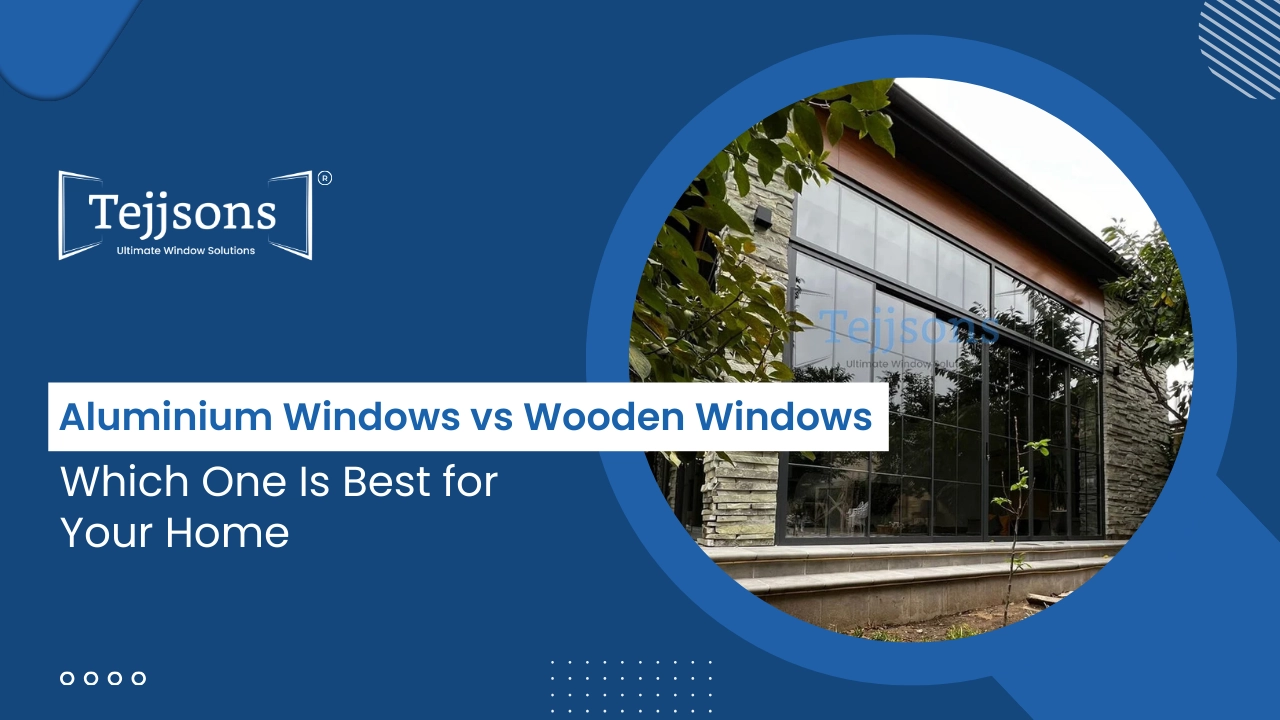
Choosing the right window material plays a major role in how a home looks, feels, and performs over time. Homeowners often narrow the decision down to two popular options, aluminium and wood. Each brings its own character, strengths, and limitations, which makes the comparison important rather than straightforward.
When evaluating aluminium windows vs wooden windows, factors like durability, maintenance, climate response, and long-term value come into focus. Modern homes demand materials that stay stable, handle changing weather, and align with contemporary design preferences. At the same time, many homeowners still value the warmth and familiarity that timber offers.
In this blog, we break down aluminium vs wooden windows in detail, covering performance, cost, aesthetics, and use cases to help you choose what fits your home best.
Key Takeaways
- The choice between aluminium windows vs wooden windows depends on your home’s design, location, and long-term maintenance expectations.
- Aluminium suits modern homes and high-rise buildings where durability, slim frames, and consistency matter over time.
- Wooden windows work best in low-rise or heritage-style homes where natural texture and traditional detailing take priority.
- Energy performance depends more on glazing quality and installation than frame material alone.
- Climate, exposure to moisture, and upkeep requirements should guide the final decision as much as visual preference.
Table of Contents
What Are Aluminium Windows?
Aluminium windows are window systems built using aluminium frames instead of wood or uPVC. They are widely used in modern residential and commercial architecture due to their strength, slim profiles, and long service life. Unlike traditional materials, aluminium does not warp, swell, or crack with weather changes, which makes it suitable for Indian climate conditions.
In the context of aluminium windows vs wooden windows, aluminium systems are often chosen for contemporary homes, apartments, and high-rise buildings where durability, clean lines, and low maintenance matter. These systems also support large glass panels, which help bring in more natural light while maintaining structural stability.
What are The Benefits of Aluminium Windows?
These benefits of aluminium windows make them a practical choice for long-term use in both independent homes and apartments.
- High Strength and Durability: One of the key advantages of aluminium windows is their ability to hold large glass panels without bending or weakening.
- Slim Frame Profiles: Compared to timber, aluminium frames stay slim, which improves views and daylight entry. At Tejjsons, our ultra-slim aluminium windows are an all-time favourite.
- Low Maintenance Needs: Unlike wood, aluminium does not require polishing, sealing, or repainting at regular intervals.
- Weather Resistance: Aluminium handles heat, rain, and humidity well, which makes it suitable for coastal and urban environments.
- Modern Aesthetic Appeal: Many homeowners prefer aluminium in the aluminium vs wooden windows debate because it aligns well with modern architecture, especially sliding windows and slide & fold doors.
What are The Drawbacks of Aluminium Windows?
These points are often considered the main disadvantages of aluminium windows when homeowners compare timber vs aluminium windows for residential projects:
- Higher Initial Cost: When comparing aluminium windows vs wood cost, aluminium systems usually cost more upfront than basic wooden frames.
- Thermal Conductivity: Aluminium conducts heat faster than wood, so thermal break systems are important for energy performance.
- Limited Traditional Appeal: For homes that focus on classic or heritage styling, aluminium may feel less warm than timber.
A premium aluminium windows manufacturer makes sure that the windows are built with long-term performance in mind.
Interesting Reads: 10 Different Types of Aluminium Windows Every Luxury Space Needs
What Are Wooden Windows?
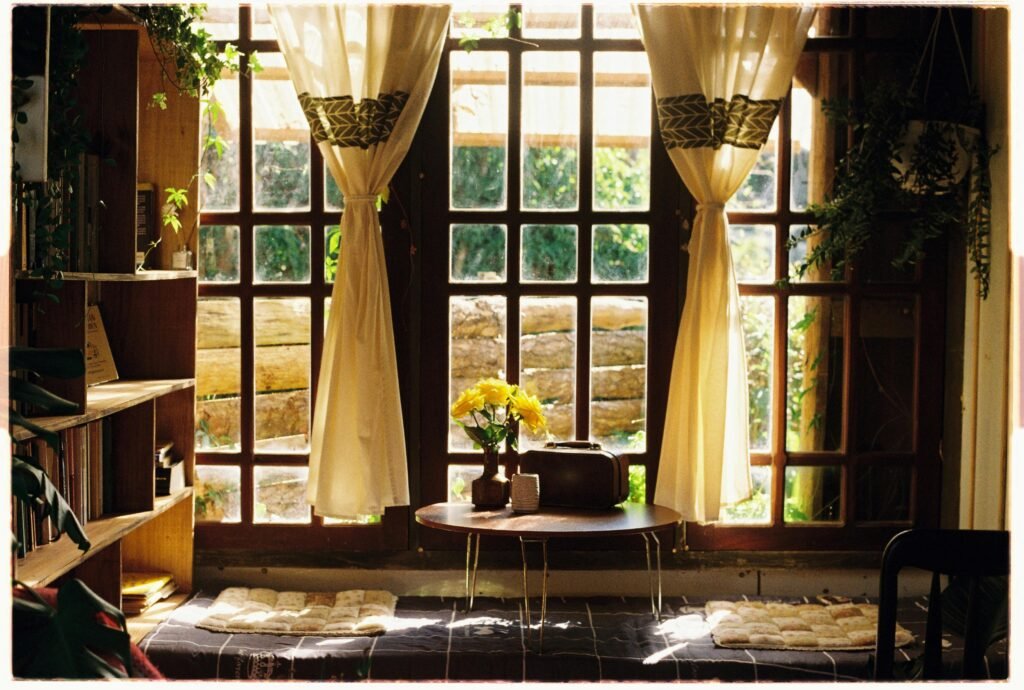
Wooden windows are made using natural timber such as teak, oak, or pine. They have been used for decades in residential architecture, especially in homes that lean toward traditional or rustic design styles. The frames are crafted from solid wood sections and paired with glass panels to form functional window units.
In comparison of material, timber is often chosen for its natural appearance rather than performance. While wooden frames offer visual warmth, they require careful maintenance to perform well over time, especially in humid or high-exposure environments.
What are The Benefits of Wooden / Timber Windows?
The following are some of the most common advantages of wooden windows.
- Natural Appearance: Wooden frames bring warmth and a classic look that suits heritage or traditional homes.
- Good Thermal Insulation: Wood naturally slows heat transfer, which helps with indoor temperature control.
- Custom Craftsmanship: Timber frames can be carved and shaped for decorative window styles.
- Acoustic Comfort: Solid wood can reduce external noise in low-traffic residential areas.
- Premium Visual Feel: In certain designs, wooden windows add a sense of richness and texture
- Traditional look and feel: Wooden windows are often preferred by homeowners & hotels for their traditional look and feel
What are The Drawbacks of Wooden / Timber Windows?
Despite the classic appeal, wooden windows have detrimental drawbacks in the long run, some of which are as under.
- High Maintenance Needs: Wooden frames require regular polishing, sealing, and repainting to prevent damage.
- Moisture Sensitivity: Humidity and rain can cause swelling, warping, or cracking over time.
- Shorter Lifespan: Compared to aluminium, timber frames degrade faster without constant upkeep.
- Pest Vulnerability: Termites and insects can damage untreated or poorly maintained wood.
- Cost Over Time: While initial prices may vary, long-term repairs make it a costly investment from a long-term perspective.
Aluminium Windows vs Wooden Windows: Key Differences & Comparison
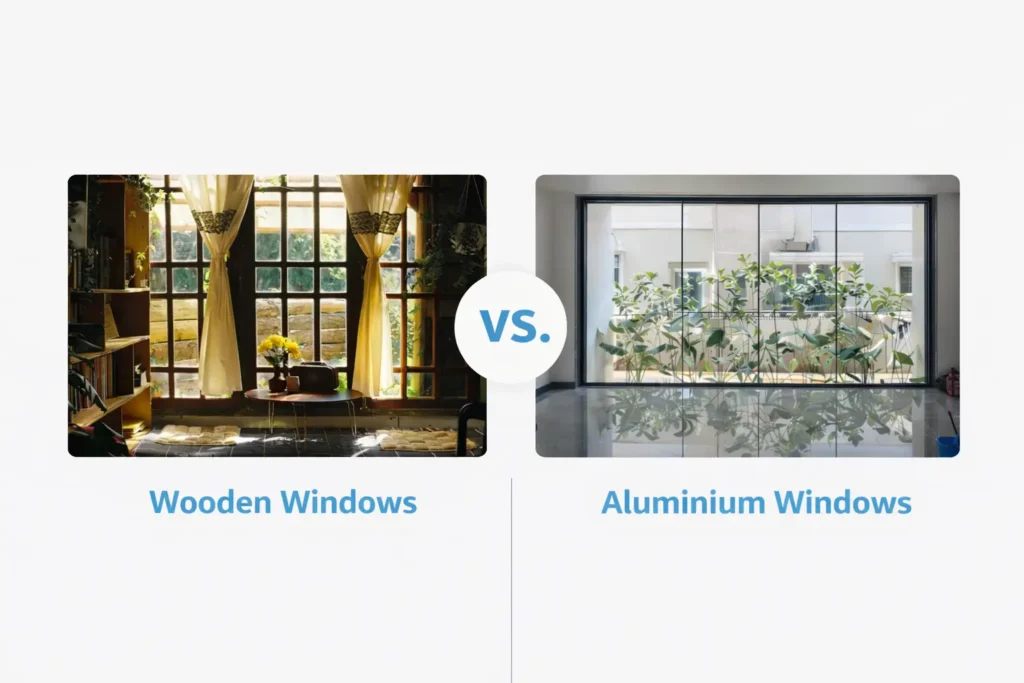
When homeowners compare aluminium windows vs wooden windows, the differences go far beyond appearance. Factors like durability, maintenance, safety, and long-term performance play a major role in the final decision. The table below highlights how both options differ across practical and design-focused parameters.
| Factor | Aluminium Windows | Wooden Windows |
|---|---|---|
| Frame Strength | Aluminium windows offer high structural strength with slim profiles. | Wooden frames are sturdy but bulkier in comparison. |
| Maintenance | Require minimal upkeep and resist moisture, pests, and corrosion. | Need regular polishing, sealing, and protection from termites. |
| Design Flexibility | Suitable for large openings, modern façades, and slim sightlines. | Limited by wood thickness and structural constraints. |
| Weather Resistance | Perform consistently in heat, rain, and humidity. | React to moisture and temperature changes over time. |
| Longevity | Long service life with stable performance. | Lifespan depends heavily on maintenance quality. |
| Safety | Strong frames work well for high-rise applications. | Not ideal for large spans or tall buildings. |
| Aesthetic Style | Clean, contemporary appearance. | Warm, traditional look. |
This comparison makes it clear why aluminium and wooden windows is often a choice between modern performance and classic appearance.
You may also read: Aluminium Windows vs uPVC – Which Is the Better Choice for Your Home in 2025?
Cost Comparison Between Aluminium Windows and Wooden Windows
Cost is one of the most common deciding factors when evaluating aluminium windows vs wood windows. While initial pricing may seem similar in some cases, long-term expenses often tell a different story. The table below outlines typical cost considerations for both window types.
| Cost Aspect | Aluminium Windows | Wooden Windows |
|---|---|---|
| Initial Cost | Moderate to premium depending on system and finish. | Often higher for quality hardwood frames. |
| Installation Cost | Standardized installation with predictable pricing. | Skilled carpentry increases labour costs. |
| Maintenance Cost | Very low over the years. | High due to polishing, repainting, and repairs. |
| Repair Frequency | Rare under normal conditions. | Common in humid or coastal regions. |
| Long-Term Cost | Lower overall ownership cost. | Higher due to ongoing upkeep. |
What are The Similarities Between Aluminium and Wooden Windows?
While the debate around aluminium windows vs wooden windows often focuses on differences, both window types do share a few core characteristics. Understanding these similarities helps homeowners make a more informed decision based on priorities rather than assumptions.
- Natural Light Access: Both aluminium and wooden windows can be designed with large glass areas that allow ample daylight into living spaces.
- Custom Design Options: Each material supports custom sizing, shapes, and finishes to suit different architectural styles.
- Ventilation Flexibility: Both options are available in sliding, casement, and fixed formats for airflow control.
- Compatibility with Double Glazing: Aluminium and wooden frames can support insulated or double-glazed glass for better comfort.
- Use Across Residential Projects: From apartments to independent homes, both materials are commonly used in Indian housing.
These shared qualities explain why the choice often comes down to durability, maintenance, and long-term value rather than basic functionality.
Best Use Cases: Where Each Window Type Performs Better
Both materials serve different purposes depending on location, climate, and lifestyle. Choosing between aluminium vs wooden windows becomes easier when you match the window type to the right application.
1. Aluminium Windows for High-Rise Buildings
High-rise structures demand strength, stability, and safety. Aluminium windows perform better in tall buildings due to their rigid frames and resistance to wind pressure. They hold their shape over time and meet safety requirements more easily than timber frames in vertical constructions. That’s why aluminium sliding windows designs are common in skyscrapers and large corporate buildings.
2. Aluminium Windows for Modern Architecture
Contemporary homes with clean lines and large openings benefit from slim aluminium profiles. Aluminium windows’ pros and cons often highlight their ability to support wide glass panels without bulky frames. This makes them ideal for modern façades, minimal interiors, and floor-to-ceiling window designs.

4. Wooden Windows for Heritage or Traditional Homes
Wooden windows still find relevance in heritage homes or properties that follow traditional architecture. Their natural texture and warmth suit classical designs, bungalows, or restoration projects where visual authenticity is a priority over maintenance ease. However, today, many restored traditional homes and heritage architecture features contemporary options like Georgian bar windows for longevity.
5. Wooden Windows for Interior-Only Applications
Timber frames work better in controlled indoor environments. In areas away from rain, sun exposure, and moisture, wooden windows can retain their finish longer. This makes them suitable for indoor interior partitions or decorative window elements rather than external façades.
Aluminium Windows or Wooden Windows: Which Should You Choose?
Choosing between aluminium windows and wooden windows depends on what you value most in your home. Both materials have strengths that suit different lifestyles, climates, and design preferences. Aluminium appeals to those who want clean lines, durability, and low maintenance. Wood attracts homeowners who prefer warmth, texture, and a more traditional aesthetic.
The right choice also depends on practical factors such as location, weather exposure, and long-term upkeep. Homes in humid, coastal, or high-rise environments often benefit from aluminium’s resistance to moisture and structural stability. Wooden windows may suit quieter, low-exposure settings where regular care and refinishing are manageable parts of ownership.
To help guide your decision, consider the following points:
- Think about the climate your home faces throughout the year and how much maintenance you’re comfortable with over time.
- Consider the architectural style you want to maintain: modern and minimal or classic and textured.
- Look at long-term performance rather than only upfront cost, especially for durability and repairs.
- Factor in noise control, security, and suitability for larger window spans.
- Evaluate how important energy efficiency and insulation are for your daily comfort.
FAQs
1. Are aluminium windows better than wood?
The choice between aluminium windows and wooden windows depends on priorities. They differ mainly in durability and maintenance. Aluminium performs better in harsh weather and needs less upkeep. Wooden windows offer natural warmth but require regular care. The better option depends on climate, usage, and long-term expectations.
2. Which windows add more value to a home?
Both can add value when chosen correctly, but buyer preference increasingly leans toward aluminium in modern homes. Aluminium and wood windows appeal to different audiences. Aluminium suits modern homes and high-rise buildings due to longevity, low maintenance, and slim profiles. Wooden windows attract buyers who prefer classic aesthetics, but they’re often a risky, high-maintenance investment.
3. Which is cheaper, aluminium or wood?
When comparing aluminium windows vs wood cost, aluminium usually has a lower long-term expense. Wooden windows may appear affordable initially, but ongoing polishing, repainting, and repair increase costs over time. Aluminium requires minimal maintenance, which helps control lifetime spending.
4. Which is more energy-efficient, aluminium or wood?
Both materials can perform well with the right glazing, though aluminium offers more consistency over time. With thermal breaks and double glazing, aluminium achieves strong insulation without changes in frame shape. Wooden frames provide natural insulation but can lose efficiency if they warp or crack.
5. Are aluminium windows safe for high-rise buildings?
Yes. Aluminium is widely used in tall structures due to strength and stability. Unlike wood, aluminium does not warp or weaken under pressure. This makes aluminium windows a reliable option for high-rise apartments and commercial buildings that require consistent structural performance.
6. What lasts longer, wood or aluminium?
In most environments, aluminium lasts longer. It resists moisture, pests, and temperature changes far better than wood. Disadvantages of wooden windows often include swelling, fading, and decay over time. Aluminium maintains its shape and finish for decades with basic cleaning.