
In high-end homes, villas, and premium commercial spaces, every design choice reflects a certain standard of clarity, precision, and timeless sophistication. Yet even today, many property owners hesitate to choose aluminium, influenced by outdated assumptions that no longer align with modern engineering.
The truth is, today’s aluminium systems are a world apart from what existed decades ago. Sleek, minimal, structurally strong, and engineered for the demands of luxury living, they outperform most traditional materials across the board.
This guide breaks down the myths and facts about aluminium doors and windows, giving clarity to discerning buyers who expect performance without compromising aesthetics.
Key Takeaways
- Modern aluminium doors and windows are sleek, strong, and engineered for luxury homes, unlike older systems that are bulky.
- Condensation is caused by temperature differences, not aluminium; thermal breaks and insulated glass solve this.
- Aluminium offers excellent insulation, sound control, and temperature stability, supported by advanced profiles and sealing.
- It supports large glass panels, delivers high security, and performs reliably in harsh and Indian weather conditions.
- Aluminium is low-maintenance, corrosion-resistant, eco-friendly, and fully customisable for modern, classic, or premium designs.
Table of Contents
Common 13 Myths About Aluminium Doors and Windows And the Facts Behind Them
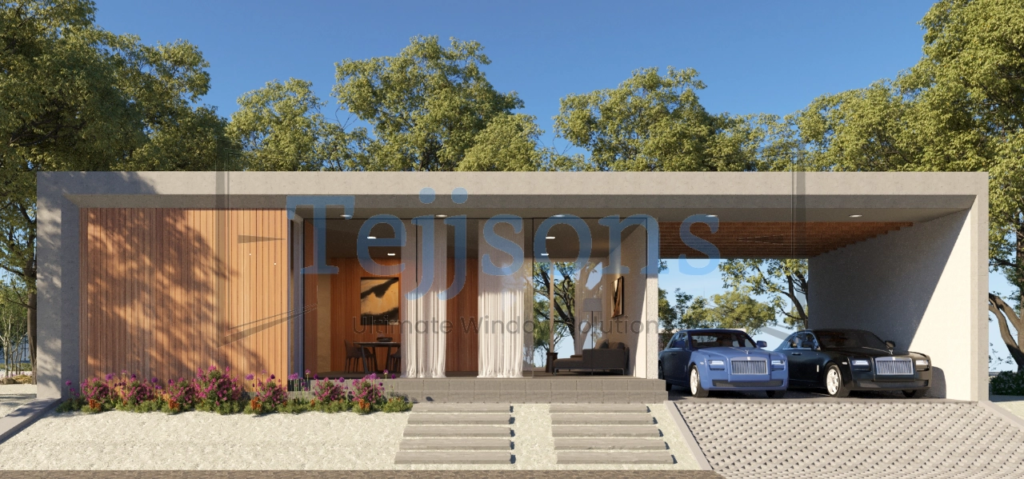
Even with the rise of contemporary architecture and advanced window engineering, aluminium systems still face outdated assumptions rooted in old, bulky designs. Most myths stem from early-generation aluminium products that lacked thermal technology, offered basic glass options, and provided little visual refinement.
Today, high-performance aluminium doors and windows are engineered with precision, slim profiles, superior sealing, and advanced insulation.
Let’s decode the truth about aluminium doors and windows, providing clarity for luxury homeowners, architects, and designers who want modern performance without sacrificing aesthetics.
Myth 1: Aluminium Doors and Windows Cause Condensation
Myth: One of the most common myths about aluminium windows is that they create condensation and make interiors feel damp or uncomfortable.
Fact: Condensation forms when warm indoor air hits cold glass; it has nothing to do with aluminium as a material. This moisture reaction can occur with any frame type when temperature differences are extreme.
Modern engineering eliminates these misconceptions using thermal break profiles, insulated glass, and airtight sealing. These systems regulate indoor temperature, reduce moisture formation, and deliver a cleaner, more stable environment even in humid or coastal climates.
Interesting Reads – How to Protect Your Home from Rain With Tejjsons’ Aluminium Windows
Myth 2: Aluminium Doors and Windows Are Not Stylish or Suitable for Homes
Myth: Some assume aluminium looks too commercial and doesn’t blend well with home interiors.
Fact: Today’s aluminium windows & doors are designed with ultra-slim frames, sleek profiles, and large glass areas that elevate modern residential architecture. They complement luxury interiors, visually open up spaces, and maximise natural light.
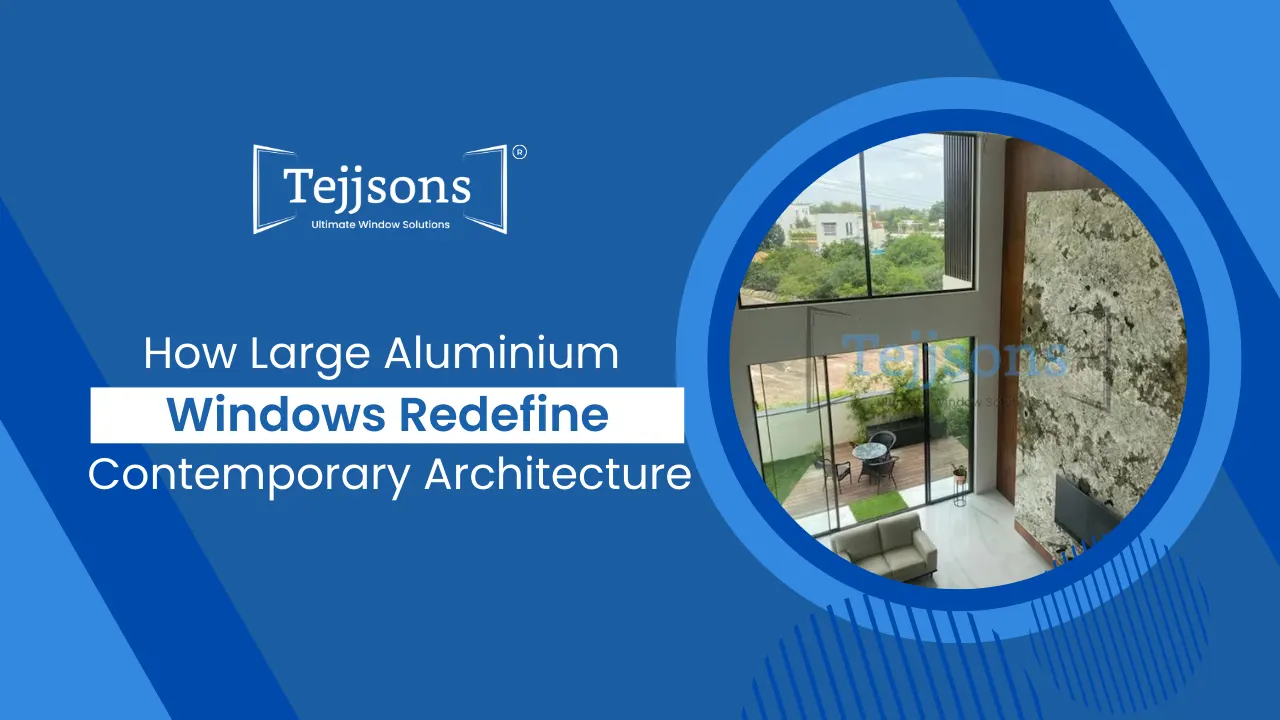
Advanced aluminium windows and doors design allows for floor-to-ceiling installations, seamless sliding mechanisms, and clean, minimal aesthetics. This makes aluminium the first choice for villas, designer homes, and premium apartments that demand both beauty and performance.
Myth 3: Aluminium Doors and Windows Do Not Provide Proper Insulation
Myth: One persistent myth about aluminium windows and doors is that it cannot properly insulate a space, allowing outside heat or cold to easily enter the home.
Fact: This belief is outdated. Modern aluminium frames are engineered with thermal break technology, insulated chambers, and advanced sealing to significantly improve thermal performance.
Today’s aluminium ultra slim windows & doors not only look sleek and elegant but also deliver impressive thermal and acoustic performance. In fact, their ability to reduce outside disturbances is often underestimated. You can see a clear example of how they minimise noise through this quiet-performance guide.
With the right glazing and precision installation, aluminium systems maintain interior temperature, reduce energy loss, and create a more comfortable indoor environment, proving that insulation is one of aluminium’s strengths, not a limitation.
Myth 4: Aluminium Doors and Windows Are Not Compatible with Traditional or Vintage Buildings
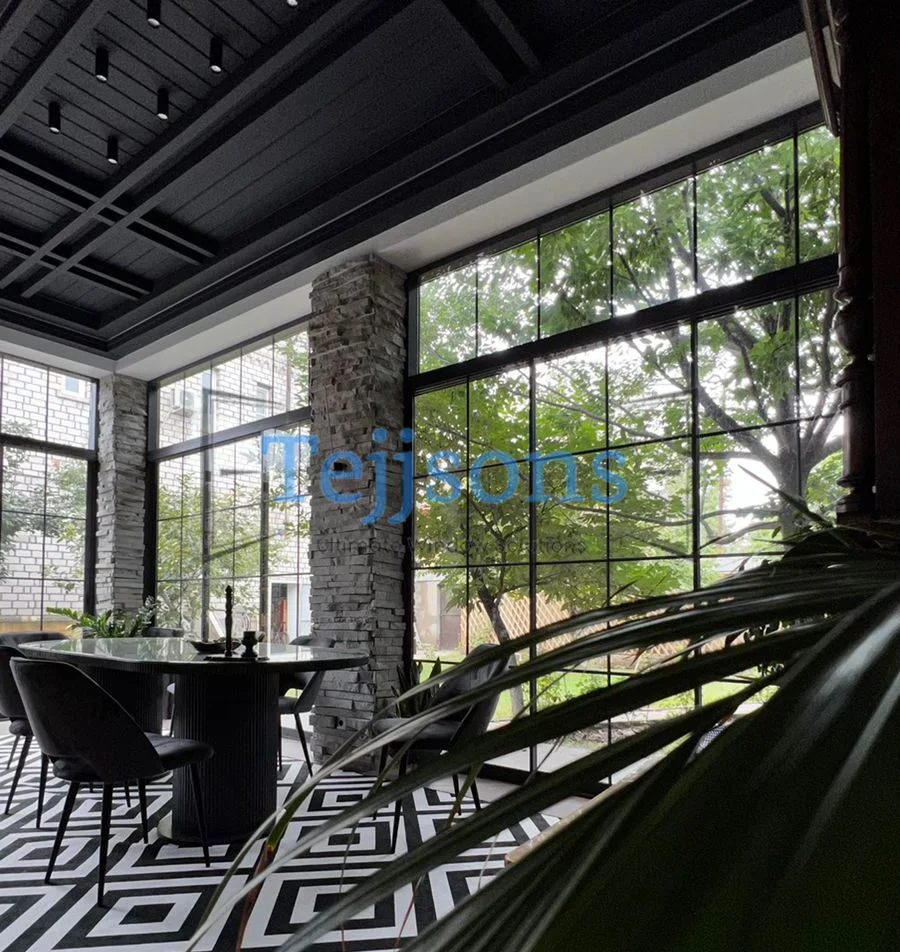
Myth: A common belief in the world of heritage architecture is that aluminium cannot blend with classic or vintage design styles. This adds to the long list of aluminium door myths and facts that mislead homeowners and designers.
Fact: Modern aluminium systems can be customised to match traditional aesthetics with remarkable precision. From textured finishes to heritage colours, aluminium can be designed to complement classic façades beautifully.
As a premium aluminium window manufacturer, we design and fabricate systems that support Georgian bars, vintage-style frame profiles, and bespoke proportions, allowing heritage homes to be restored or upgraded without compromising their original charm or architectural identity.
Myth 5: Aluminium Doors and Windows Require High Maintenance
Myth: Many homeowners believe that aluminium doors and windows require constant polishing, repainting, or upkeep to maintain their appearance and performance.
Fact: This assumption is based on very old aluminium systems with basic finishes. Modern aluminium products are engineered to be extremely low-maintenance. They do not warp, crack, peel, or attract termites, and they retain their finish for years without frequent care.
Powder-coated or anodised surfaces stay smooth and colour-stable with minimal effort. Regular cleaning with mild soap and water is usually enough to keep aluminium windows looking new. Unlike wood or steel, aluminium naturally resists weather, humidity, and everyday wear.
You May Also Read–5 Important Things to Consider When Installing Aluminium Doors and Windows
Myth 6: Aluminium Doors and Windows Are Not Eco-Friendly
Myth: A common misconception is that aluminium is not environmentally responsible, leading many to overlook the true fact about aluminium doors and windows supported by research and modern manufacturing standards.
Fact: Aluminium is one of the most sustainable building materials available today. It is 100% recyclable, retains its strength through every recycling cycle, and requires significantly less energy to repurpose than to produce new metal.
Its long lifespan also means fewer replacements, less landfill waste, and a lower environmental impact over its lifetime.
Modern aluminium systems support energy efficiency, durability, and eco-friendly construction, much like Tejjsons motorized zip screen blinds, which are designed to reduce heat, improve insulation, and minimise energy consumption in premium spaces.
Myth 7: Aluminium Windows and Doors Are Not Strong Enough
Myth: Many people believe aluminium frames are too light and therefore lack the strength required for large openings, heavy glass panels, or long-term structural stability.
Fact: Aluminium is one of the strongest architectural materials available, especially when engineered correctly. Different types of aluminium windows and doors are designed to handle varying load capacities, wind pressures, and structural demands from slimline minimal systems to large sliding panels and floor-to-ceiling glazing.
High-grade aluminium has an exceptional strength-to-weight ratio, allowing it to support expansive glass areas without bending or warping. This is exactly why architects should choose aluminium for luxury villas, high-rise buildings, and contemporary spaces that demand both aesthetics and structural integrity.
Myth 8: Aluminium Doors and Windows Cannot Be Customised
Myth: Some luxury homeowners & architects believe aluminium systems come in fixed shapes and sizes, with limited design flexibility compared to wood or other window materials.
Fact: Aluminium is one of the most versatile materials in modern architecture. There are multiple types of aluminium doors designed specifically for different layouts, aesthetics, and functional needs, from slimline sliders and large pivot doors to elegant French-style openings and expansive slide-and-fold systems.
Aluminium can be customised in height, width, colour, finish, glass type, hardware, and movement style. Whether the requirement is minimal, traditional, oversized, or automated, aluminium adapts effortlessly to the designer’s vision without compromising strength or performance.
Interesting Read: Aluminium Windows vs uPVC: A Detailed Comparison for Modern Homes
Myth 9: Aluminium Doors and Windows Are Not Durable
Myth: Many people assume aluminium wears out quickly or loses structural integrity over time, especially when exposed to heat, rain, or daily use. This misconception often arises from outdated or low-grade products used years ago.
Fact: Modern aluminium systems are engineered for long-term durability and stability. High-quality aluminium resists warping, cracking, peeling, and UV damage even in demanding climates.
Premium installations, such as aluminium double doors, are built to handle frequent use while maintaining smooth operation and structural strength for years.
With advanced surface treatments such as powder coating and anodising, aluminium retains its finish, resists corrosion, and offers a significantly longer lifespan than wood or steel alternatives.
Myth 10: Aluminium Doors and Windows Do Not Provide Adequate Security
Myth: Some assume aluminium frames are lightweight and therefore offer less protection against forced entry. This misconception often comes from older, basic installations with minimal locking systems.
Fact: Modern aluminium systems are engineered for advanced security. High-strength alloys, multi-point locking mechanisms, reinforced frames, and laminated safety glass significantly increase resistance to impact and intrusion.
Premium designs, including aluminium casement windows and doors, lock tightly at multiple points when closed, creating a secure, sealed barrier.
Because aluminium is naturally strong and dimensionally stable, it provides superior structural security compared to many traditional materials. With the right installation and hardware, aluminium systems offer exceptional protection for luxury homes, villas, and premium commercial properties.
Myth 11: Aluminium Doors and Windows Are Too Expensive
Myth: Many buyers assume aluminium is overpriced and only suited for large commercial projects. This misconception often prevents homeowners from understanding the long-term value aluminium systems deliver.
Fact: The upfront cost of aluminium reflects its engineering precision, durability, and long-term performance. Unlike materials that need frequent repainting, repairs, or early replacement, aluminium doors and windows remain structurally stable and visually refined for decades.
Our Premium designs, such as vertical sliding doors, combine elegance, strength, and minimal maintenance, significantly reducing ongoing upkeep costs. Because aluminium does not warp, rot, swell, or fade, maintenance expenses stay low year after year.
When evaluated over its full lifespan, aluminium is highly cost-effective, often outperforming wood and uPVC in durability, performance, and overall value for luxury homes and premium spaces.
Myth 12: Aluminium Is Not Suitable for Harsh or Indian Weather Conditions
Myth: Some homeowners believe aluminium cannot withstand India’s intense heat, humidity, monsoon rains, or coastal climates. This misconception mainly comes from older, non-engineered frames used decades ago.
Fact: Modern aluminium systems are specifically designed to perform exceptionally well in harsh climates. High-grade alloys, weatherproof sealing, thermal breaks, and protective surface coatings make aluminium resistant to heat, moisture, and corrosion.
Premium designs, such as aluminium bifold doors, are engineered to operate smoothly even in harsh Indian weather conditions while maintaining structural stability and airtight sealing.
Aluminium does not warp, crack, swell, or fade, making it one of the most reliable materials for Indian weather across all regions, from dry heat to high humidity.
Myth 13: Aluminium Windows and Doors Are Prone to Rust and Corrosion
Myth: Many people assume aluminium rusts easily or corrodes quickly, especially in humid or coastal regions. This misconception often stems from exposure to low-grade, untreated metal in outdated installations.
Fact: Aluminium does not rust; it develops a natural oxide layer that protects it from corrosion. High-quality powder coating and anodised finishes provide an additional layer of protection, making modern systems exceptionally stable even in high-moisture environments.
Premium designs, such as aluminium tilt-and-turn windows, maintain their smooth operation and clean finish for years because the materials are engineered to resist oxidation, salt exposure, and harsh weather.
With the right finish and proper installation, aluminium remains one of the most durable and corrosion-resistant choices for luxury architecture projects.
Quick Comparison at a Glance: Myth Vs Reality
This helps homeowners, architects, and designers quickly understand how aluminium performs today, particularly in premium systems such as aluminium slide-and-fold doors, slimline sliders, casements, and French-style openings.
Myth vs Reality Table
| Myth | Reality |
| Aluminium causes condensation | Condensation depends on temperature difference and glass quality, not the frame. |
| Aluminium is not stylish | Modern aluminium frames are minimal, elegant, and ideal for luxury designs. |
| Aluminium lacks insulation | Thermal break technology delivers excellent temperature control. |
| Aluminium doesn’t suit vintage buildings | Custom colours, textures, and aluminium Georgian bars by Tejjsons match heritage aesthetics. |
| Aluminium expands too much | Engineered profiles manage thermal movement without performance loss. |
| Aluminium is high-maintenance | Durable coatings make it low-maintenance and long-lasting. |
| Aluminium is not eco-friendly | It is 100% recyclable and has a long lifespan. |
| Aluminium is weak | Strong alloy composition supports large glass panels with stability. |
| Aluminium cannot be customised | Fully customisable in size, finish, style, and movement. |
| Aluminium isn’t durable | Resistant to warping, cracking, swelling, and fading. |
| Aluminium is not secure | Strong frames support multi-point locking and security glass, such as casement windows |
| Aluminium is too expensive | Long-term durability makes it cost-effective over time. |
| Aluminium can’t handle Indian weather | Engineered to withstand heat, humidity, and monsoons. |
| Aluminium rusts easily | It doesn’t rust; coatings protect against corrosion. |
What are the Types of Aluminium Windows Available Today?
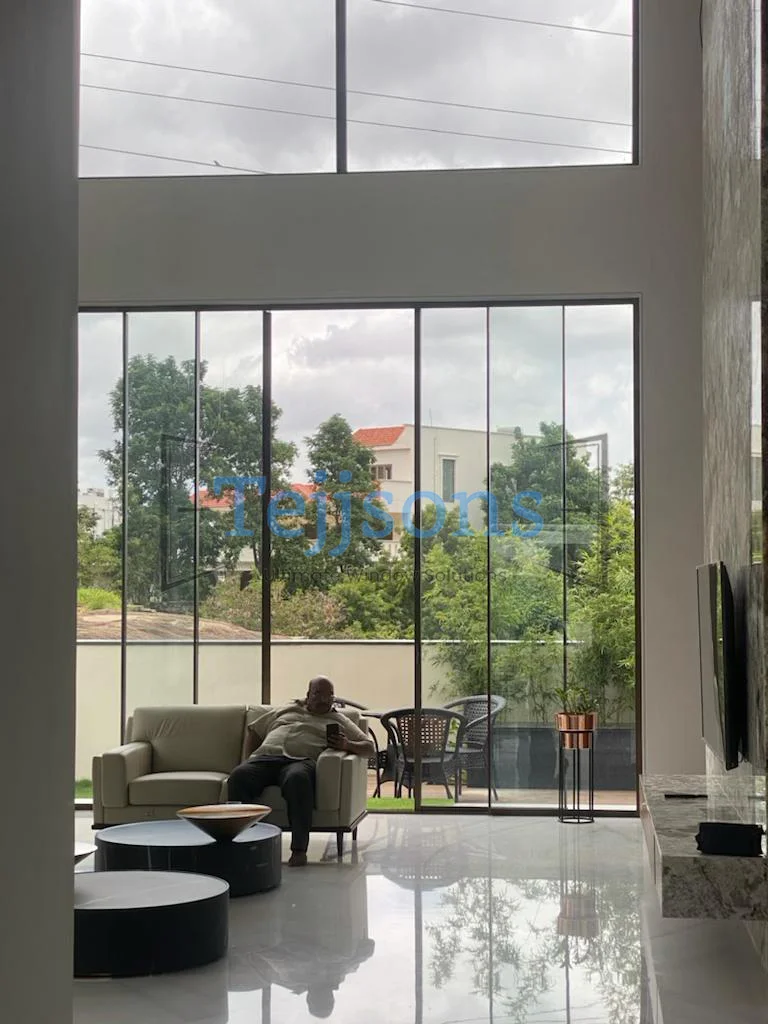
Modern luxury spaces demand clarity, openness, and visual harmony, and aluminium windows deliver all three. Today’s architectural designs favour slim profiles, large glass areas, and seamless transitions between indoor and outdoor spaces.
High-end buyers and architects prefer aluminium because it supports large spans, remains dimensionally stable, and maintains aesthetic purity. Below are the most sought-after formats, including ultra-sleek minimal windows, perfect for premium villas and contemporary homes.
1. Slimline Minimal Windows
Designed for sophisticated spaces, slimline minimal windows use ultra-thin frames that almost disappear, allowing glass to take centre stage. They create an uninterrupted connection with the outdoors and bring abundant natural light into modern homes.
These are often chosen for luxury villas, penthouses, and contemporary facades, where style, symmetry, and openness matter most.
2. Aluminium Sliding Windows
Highly preferred for rooms with scenic views, aluminium sliding windows offer smooth, effortless gliding. Their design saves space while supporting large, wide glass panels that beautifully open up interiors. For homeowners who love effortless operation and panoramic visibility, these windows deliver both style and practicality without compromising durability.
3. Aluminium Casement Windows
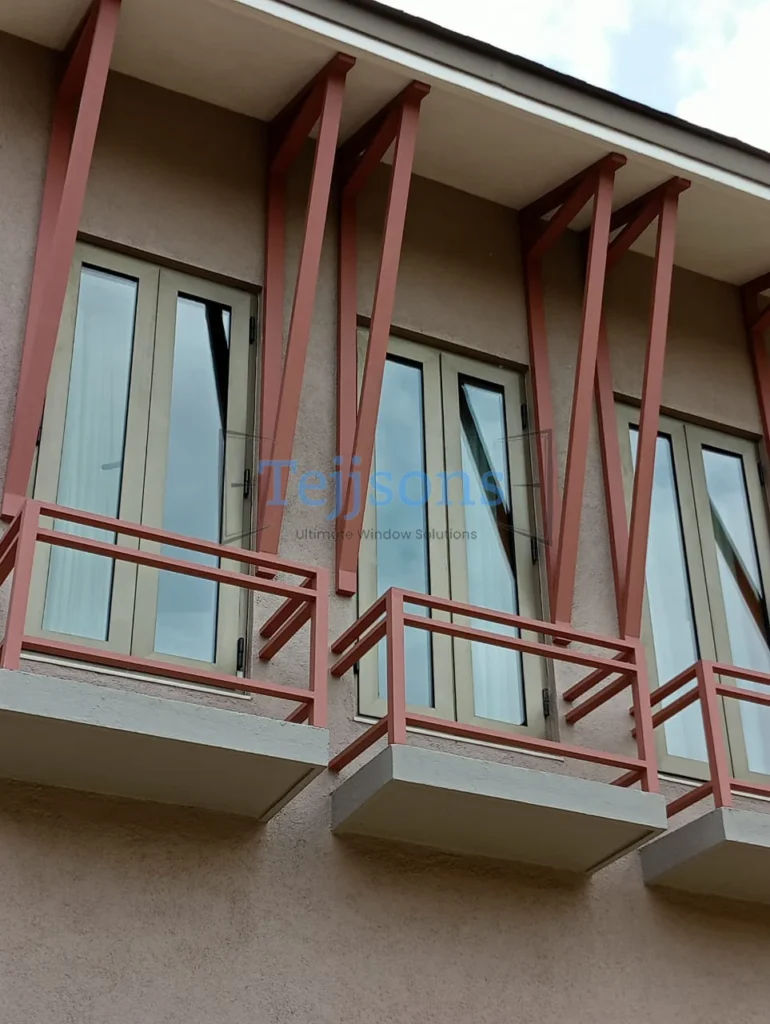
Casement windows are hinged either on the side or top, providing excellent ventilation and secure locking. They open fully, allowing maximum fresh air and natural light. Architects value them for their clean geometry and tight seal, making them energy-efficient and ideal for quiet, climate-controlled interiors.
4. Aluminium Tilt and Turn Windows
A favourite among premium homebuyers, tilt-and-turn windows offer dual functionality: tilt for gentle airflow, or open wide for ventilation and easy cleaning. This European-inspired mechanism combines luxury, convenience, and practicality, ideal for modern homes where safety and comfort are equally important.
5. Guillotine / Vertical Sliding Windows
For ultra-modern luxury interiors, motorised guillotine systems offer a sleek vertical opening with counterbalanced glass panels that slide effortlessly. These are often used in cafes, contemporary terraces, sky lounges, or premium homes where a refined, engineered look is essential. Their elegant vertical movement adds sophistication and space-saving functionality.
7. Bay and Corner Aluminium Windows
These windows redefine spatial depth and light dynamics. Bay windows extend outward, creating cosy nooks and adding volume to interiors. Corner windows remove solid walls entirely, allowing light to flow in from two directions. Both options make spaces feel larger and more luxurious while enhancing architectural drama.
What are the Types of Aluminium Doors Commonly Used?
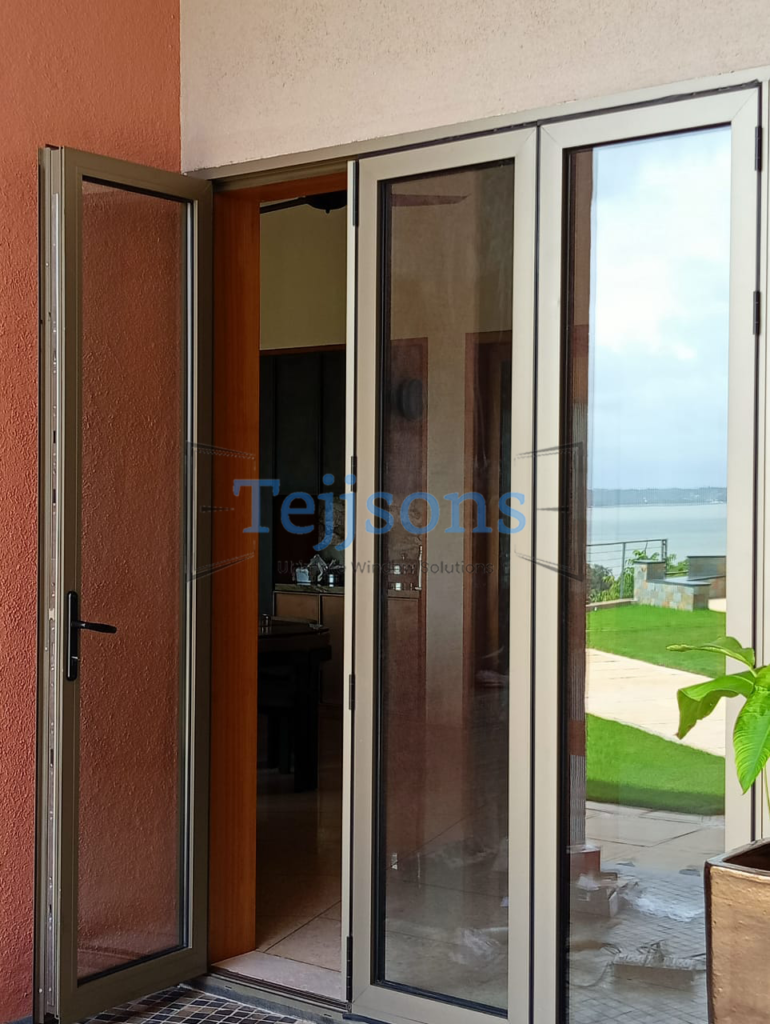
Modern architecture demands doors that go beyond basic functionality. In luxury villas, premium apartments, and contemporary commercial spaces, aluminium doors enhance natural light, define movement, and elevate aesthetic value.
Today’s aluminium doors and window systems combine engineering precision with minimal design, offering strength, elegance, and long-term durability.
Below are the most preferred types of aluminium doors in high-end residential and commercial design.
1. Sliding Aluminium Doors
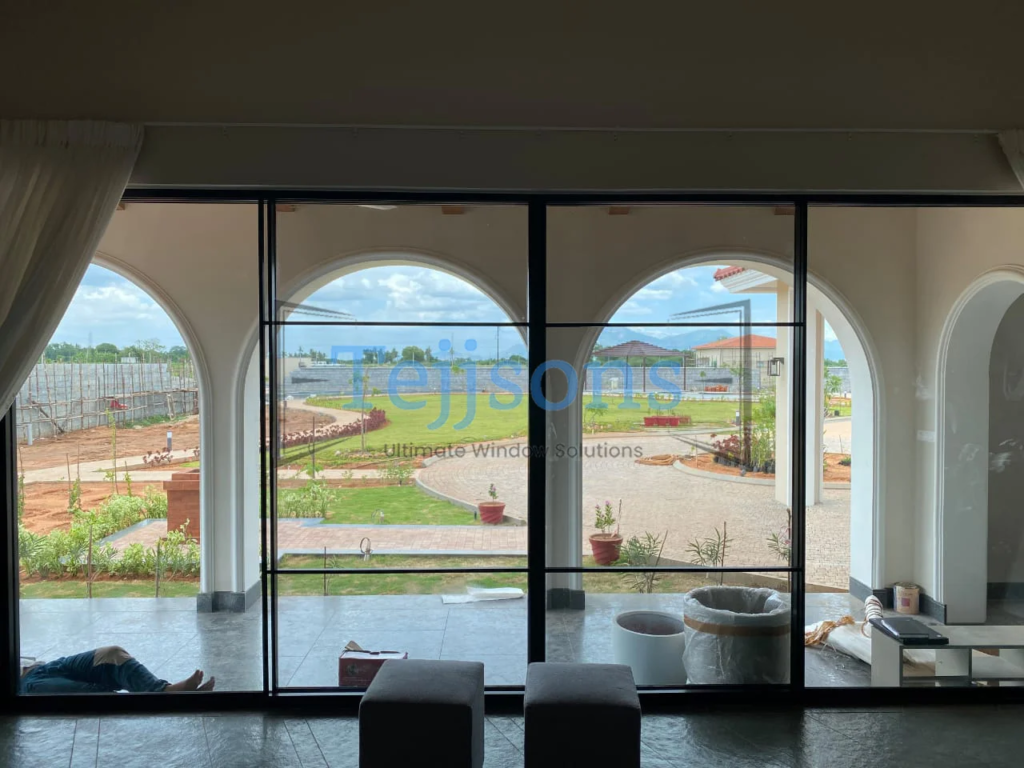
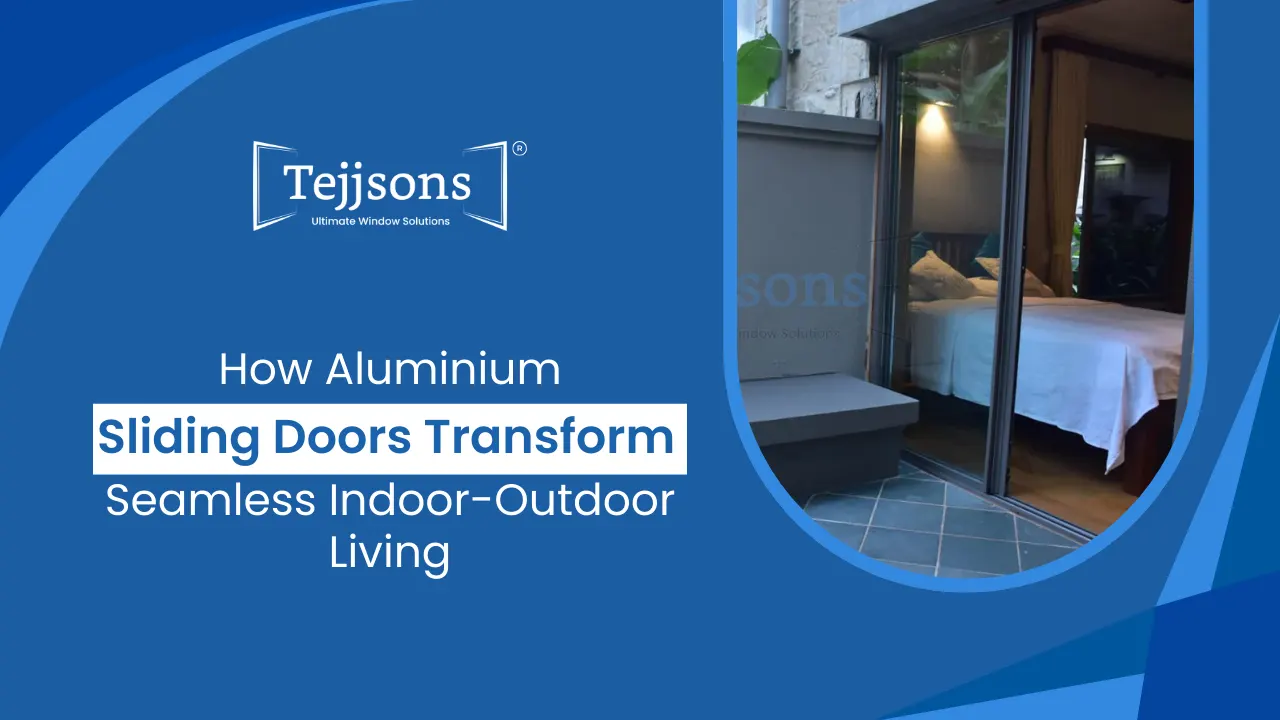
These doors glide effortlessly on precision tracks, supporting extra-wide glass panels. Ideal for terraces, balconies, and living rooms, sliding doors maximise light and save space while maintaining a refined, modern look.
Recommended for Balcony Spaces: Explore elegant balcony door designs that enhance outdoor living.
4. Aluminium Double Doors
These dual-panel doors make a strong visual statement. They open wide, offer expansive entryways, and are perfect for grand entrances, premium living areas, and spaces that demand a balanced, symmetrical aesthetic.
5. Aluminium French Doors
Combining charm with modern engineering, French doors feature paired glass panels that open inward or outward. They create elegant transitions to patios, balconies, and gardens while maintaining strength, insulation, and security.
6. Slide and Fold (Bi-Fold) Aluminium Doors
These folding systems stack neatly to one side, opening entire walls for seamless indoor-outdoor living. Ideal for entertainment areas, wide openings, and pool-facing spaces where flexibility is essential.
7. Pivot Aluminium Doors
Pivot doors rotate on a central or offset pivot point, creating a dramatic entrance. They support oversized panels and are popular in luxury villas and modern architectural builds that prioritise bold design.
8. Motorised Aluminium Doors
Perfect for smart homes, motorised door systems provide automated movement, enhanced security, and effortless convenience. These are preferred in premium spaces where technology and sophistication blend seamlessly.
Choose Tejjsons for Premium Aluminium Windows & Doors
At Tejjsons, we are a leading premium aluminium windows and doors manufacturer, trusted by architects, designers, and luxury homeowners who expect flawless engineering and refined aesthetics. We design and manufacture high-performance aluminium windows and doors with ultra-slim profiles, strong structural stability, and exceptional insulation. Every system is custom-built to match your project’s style, from minimal sliding units to casement, French, pivot, and motorised designs.
We combine precision craftsmanship with modern materials to deliver long-lasting performance, smooth operation, and elegant visual impact. With Tejjsons, you don’t just upgrade your openings, you elevate your entire living experience.
Conclusion
Aluminium doors and windows have evolved far beyond the misconceptions that once limited their appeal. Today, they represent the perfect blend of strength, sophistication, thermal efficiency, and timeless design for luxury homes, villas, and premium commercial spaces.
By understanding the facts, homeowners and architects can choose solutions that enhance comfort, aesthetic appeal, and long-term durability.
When you want elegance without compromise, aluminium doors and windows manufacturers stand unmatched, and Tejjsons delivers them with engineering excellence, advanced customisation, and a commitment to enhancing every space with refined, modern craftsmanship.
Ready to upgrade your space with precision-engineered aluminium windows & doors? Get a Quote today.
FAQs
Q1. Why Should Luxury Homeowners Choose Aluminium Doors And Windows?
Luxury homes choose aluminium doors and windows for their slim design, durability, insulation, and ability to support large glass spans while remaining elegant and low-maintenance.
Q2. Are Aluminium Doors Suitable For Kitchens And Bathrooms?
Yes. Aluminium doors are ideal for kitchens and bathrooms because they resist moisture, heat, and steam.It maintains its structural integrity and clean, modern appearance over time, making it a reliable and low-maintenance choice for high-moisture indoor spaces.
Q3. Do Slim Aluminium Profiles Compromise On Strength?
No. Aluminium slim windows and doors profiles are engineered with strong alloys that support heavy glass without bending. Slim doesn’t mean weak; it means refined and structurally stable.
Q4. Are Aluminium Doors And Windows Soundproof?
Yes, when paired with laminated or insulated glass, aluminium doors & windows provide excellent noise reduction. Tight seals and rigid frames help create quiet, peaceful interiors.
Q5. Are Aluminium Doors Waterproof And Weather-Resistant?
Yes. Premium aluminium doors are designed with sealed frames and integrated drainage channels. They block rain, wind, and dust effectively. This makes them reliable even in harsh weather conditions.